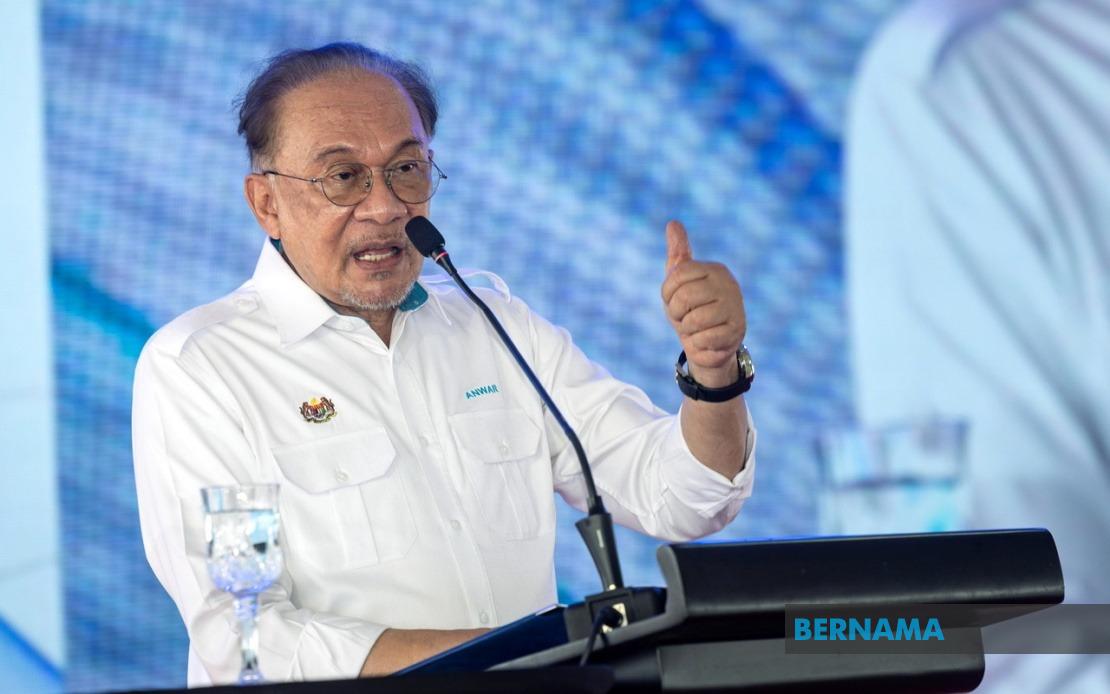
Malaysia has moved to fortify its long-term energy position by concluding significant bilateral agreements with Russia and Turkmenistan, according to Prime Minister Datuk Seri Anwar Ibrahim. Speaking at the Setia Fontaines Industrial Park groundbreaking ceremony in Kepala Batas, Anwar outlined how these partnerships represent a substantial advancement in the nation's energy security framework, with implications stretching across two decades of supply certainty.
The Kremlin has committed to providing Malaysia with sustained access to crude oil, natural gas, and diesel under a bilateral arrangement spanning a minimum of 20 years. This undertaking emerged from discussions between Anwar and Russian President Vladimir Putin during the Prime Minister's recent visit to Kazan, cementing what both nations characterise as deepening diplomatic and commercial ties. The assurance addresses a persistent strategic concern for Malaysia, whose economy remains vulnerable to global energy price volatility and supply disruptions affecting the region.
Turkmenistan's commitment proves equally consequential for Malaysia's energy calculus. During Anwar's official visit to the Central Asian nation, authorities granted Malaysian entities expanded participation in the hydrocarbon sector, providing access to reserves among the world's most substantial. This development eliminates a critical constraint on Malaysia's capacity to meet domestic consumption while simultaneously creating space for export-oriented energy commerce. The groundwork for this arrangement was laid when Turkmenistan's President Serdar Berdimuhamedov visited Malaysia in December 2024, initiating formal negotiations that culminated in the expanded access framework.
The strategic dimension of these energy deals extends beyond Malaysia's immediate consumption requirements. Anwar explicitly referenced plans to funnel supplies to neighbouring economies with substantial energy appetites, particularly China, Japan, and South Korea. These three nations represent among Asia's largest energy consumers, and securing reliable supply corridors through Malaysian intermediaries positions the country as a pivotal node in regional energy distribution networks. This positioning carries economic multiplier effects, from employment in logistics and processing facilities to service industries supporting energy commerce.
The emphasis on leveraging international relations to advance national energy interests reflects a calculated diplomatic pivot. Malaysia operates within a constrained geographic position, lacking the abundant hydrocarbon reserves of Gulf producers or the renewable generation capacity of larger developed economies. By cultivating partnerships with Russia and Turkmenistan, policymakers acknowledge that diplomatic capital and bilateral trust serve as functional substitutes for domestic resource endowments. The success of these negotiations hinges upon Malaysia maintaining stable relations with both Moscow and Ashgabat despite geopolitical tensions affecting their regions.
Energy security carries profound implications for Malaysia's industrial competitiveness and manufacturing base. Stable, long-term access to reasonably priced hydrocarbons reduces operational costs for petrochemical producers, fertilizer manufacturers, and export-oriented industries dependent on energy-intensive processes. The certainty embedded in 20-year supply agreements permits industrial planners to commit capital to expansion projects with greater confidence, potentially attracting foreign investment to Malaysia's energy-dependent sectors. This multiplier effect could generate substantial employment opportunities in manufacturing clusters dependent on steady energy availability.
The agreements also address vulnerabilities exposed by recent global energy market disruptions. The 2022 energy crisis that gripped Europe following the Russian invasion of Ukraine demonstrated how abruptly supply channels can constrict when geopolitical tensions escalate. Malaysia's reliance on spot market purchases and short-term contracts left the nation exposed to similar shocks. Long-term bilateral arrangements function as hedges against such volatility, locking in supply relationships that transcend transient market fluctuations or political friction between major powers.
However, the strategic calculus involves calculated risks. Deepening energy partnerships with Russia occurs amid Western sanctions regimes and international scepticism regarding Moscow's geopolitical conduct. Malaysia must navigate this complexity carefully, maintaining commercial relationships while preserving diplomatic flexibility and avoiding association with policies that conflict with core foreign policy principles. The balance between energy security imperatives and broader international standing requires nuanced management.
Central Asia's role in global energy architecture warrants particular attention for Malaysian policymakers. Turkmenistan's vast natural gas deposits represent one component of a broader regional endowment that influences global energy markets. By securing direct access to these reserves, Malaysia positions itself within emerging supply networks that bypass traditional Middle Eastern corridors. This geographic diversification reduces exposure to single-region supply shocks and creates alternative pathways for meeting energy demands.
The domestic implications remain substantial. Energy security underpins currency stability, inflation management, and macroeconomic confidence. Investors evaluate countries partly on their resilience to energy supply disruptions, and Malaysia's demonstration of forward-looking energy diplomacy signals policymakers' commitment to long-term economic stability. This perception can influence capital allocation decisions by multinational corporations evaluating regional investment locations, potentially tilting choices toward Malaysia over competitors offering less certain energy environments.
Looking forward, these agreements represent foundational elements of Malaysia's energy strategy through the mid-2040s. The nation's trajectory depends substantially on whether these partnerships remain robust across changing geopolitical landscapes and whether the underlying terms remain favourable as global energy markets evolve. Continued diplomatic engagement with Moscow and Ashgabat, combined with judicious management of supply chains and export relationships, will determine whether these arrangements fulfil their promise of sustained energy security.

