Malaysia is actively pursuing compensation arising from the cancellation of a procurement contract for the Naval Strike Missile system from Norwegian defence contractor Kongsberg Defence & Aerospace AS, with both the Defence and Foreign Ministries now formally engaging with Oslo on the matter. Defence Minister Datuk Seri Mohamed Khaled Nordin confirmed that Malaysia has communicated its position and intended approach to the Norwegian government, seeking its cooperation in facilitating discussions between Malaysian authorities and the contractor over the outstanding claims.
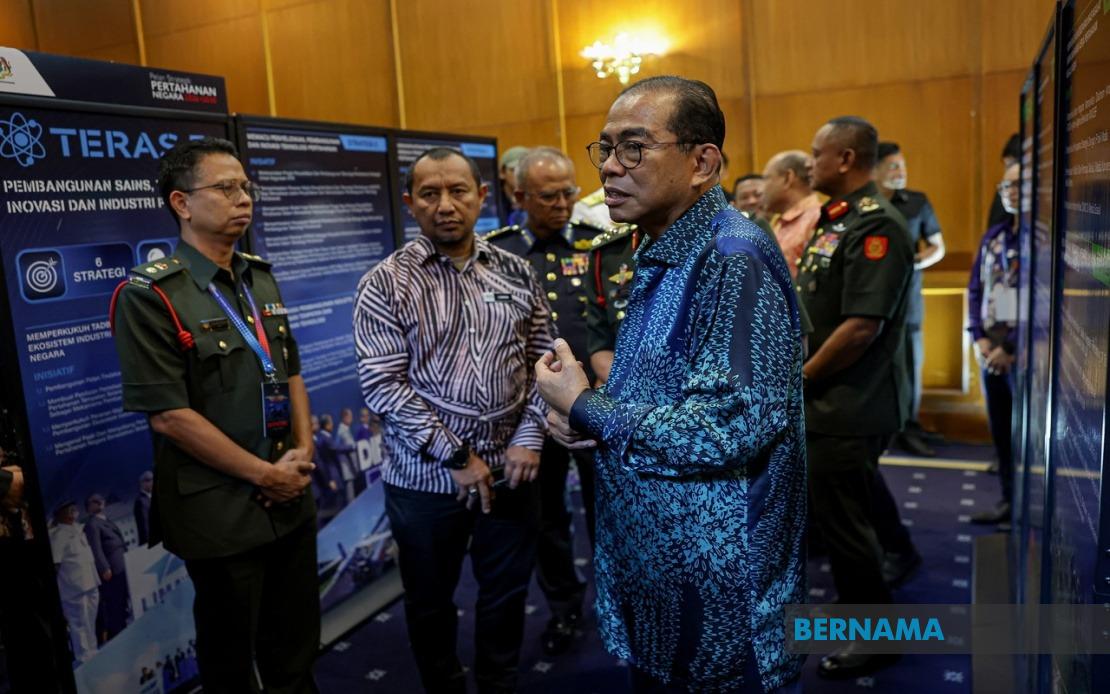
The government's diplomatic approach reflects a deliberate strategy to leverage bilateral channels in resolving what has become a contentious defence procurement dispute. By requesting that Norway's government act as a facilitator and mediator, Malaysia is attempting to create a structured framework for negotiations rather than pursuing direct confrontation with the defence company. This methodology signals the government's commitment to resolving the matter through established diplomatic protocols, which Nordin emphasised when addressing reporters after the launch of the National Defence Strategic Plan and Defence Capability Blueprint 2026-2030 at an event attended by Chief of Defence Force General Tan Sri Malek Razak Sulaiman.
The significance of enlisting Norway's official involvement cannot be understated, particularly given the potential commercial and political ramifications of an unresolved defence contract dispute. By involving the Norwegian government as an intermediary, Malaysia gains the benefit of official governmental backing in negotiations, which can exert considerable pressure on private defence contractors to engage seriously in settlement discussions. The Foreign Ministry's initiative to formally request Norway's mediating role demonstrates a coordinated whole-of-government approach to the issue, moving beyond isolated Defence Ministry communications.
The Public Accounts Committee has already inserted itself into the oversight process, having received a special briefing from the Defence Ministry on the compensation claim. The PAC subsequently issued guidance urging the government to strengthen both its mitigation strategies and diplomatic efforts, emphasising the need to achieve a fair resolution while protecting Malaysia's fiscal position. This parliamentary scrutiny underscores the matter's importance to taxpayers and the legislature's commitment to ensuring proper stewardship of public funds expended in defence procurement processes.
The PAC's dual emphasis on achieving fair compensation while maintaining fiscal sovereignty reflects a balancing act that the government must navigate carefully. On one hand, Malaysia requires a substantive settlement that adequately compensates the nation for costs incurred and opportunities foregone by the contract's cancellation. On the other hand, the government must avoid setting precedents that could compromise future procurement negotiations or establish expectations that undermine its negotiating position in other defence dealings. The committee's framing suggests it views both concerns as legitimate and worthy of equal attention.
The NSM contract cancellation represents a significant setback in Malaysia's defence modernisation agenda, as the Naval Strike Missile system would have enhanced the Malaysian Navy's maritime strike capabilities and brought advanced anti-ship weaponry into service. The system's integration into Malaysia's naval operations was envisioned as part of broader capability development initiatives, making the cancellation a strategic as well as financial matter. The compensation claim thus encompasses not merely the direct costs incurred but also considerations relating to delayed capability maturation and disrupted defence planning timelines.
Norway's role as both the home nation of the contractor and a fellow maritime security stakeholder in regional affairs provides additional leverage for Malaysia's negotiating position. Norway has vested interests in maintaining healthy defence industry relationships with Southeast Asian partners and in supporting the stability of regional security arrangements. The Norwegian government's willingness to facilitate discussions could therefore be expected given these broader strategic considerations, though the actual terms of any mediation remain to be seen.
The timing of Malaysia's formal notification to the Norwegian government carries implications for the broader trajectory of the dispute. By establishing an official record of Malaysia's position and course of action through diplomatic channels, the government creates a documented timeline that could prove valuable in any subsequent arbitration or litigation proceedings. This proactive engagement with Norway's government also demonstrates to domestic stakeholders and parliamentary oversight bodies that the administration is taking the matter seriously rather than allowing it to languish in bureaucratic limbo.
The compensation claim also touches on broader questions about Malaysia's procurement governance and risk management in defence contracts. The circumstances surrounding the cancellation and the subsequent disagreement over compensation obligations may prompt reviews of contractual frameworks, penalty clauses, and dispute resolution mechanisms in future defence agreements. These institutional lessons could prove as valuable as the actual compensation recovered, potentially improving Malaysia's capacity to negotiate more favourable terms in subsequent defence acquisitions.

