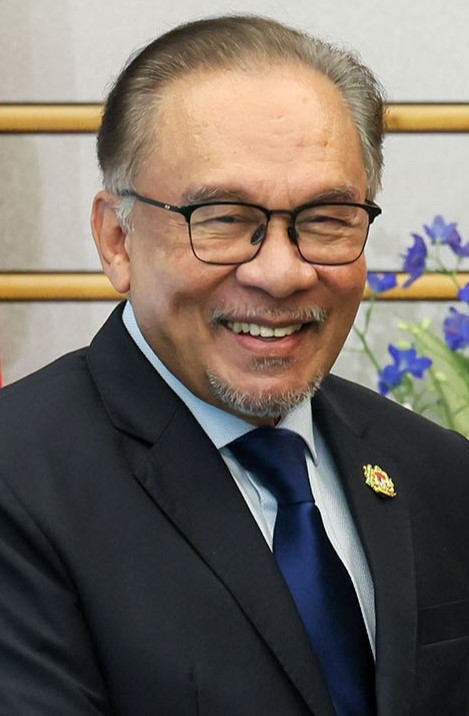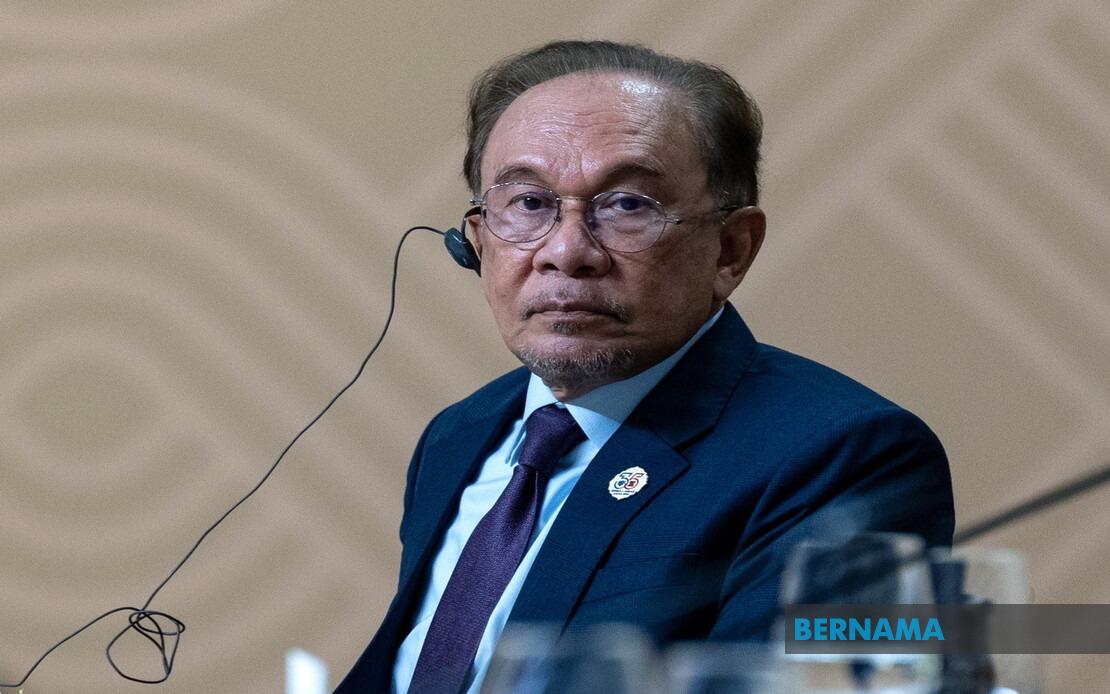
Malaysian Prime Minister Datuk Seri Anwar Ibrahim has signalled cautious optimism regarding prospects for a peace agreement between the United States and Iran, believing that a memorandum of understanding could serve as a crucial stepping stone towards resolving the longstanding tensions that have destabilised West Asia. Speaking at a press conference in Kazan after attending the 35th ASEAN-Russia Commemorative Summit, Anwar highlighted encouraging developments in ongoing negotiations, though he acknowledged the ambitious timeline constraining the talks.
The Malaysian leader's confidence appears grounded in intelligence gathered directly from Pakistan Prime Minister Shehbaz Sharif, who has emerged as a central mediator in the complex diplomatic shuttle between Washington and Tehran. According to Anwar, Sharif has maintained intimate involvement throughout the negotiation process, offering preliminary assessments that suggest movement towards consensus. This backdoor diplomacy underscores Pakistan's strategic positioning in regional affairs, as Islamabad leverages its relationships with both Western powers and Tehran to facilitate dialogue when official channels remain strained.
The 60-day window represents both an opportunity and a constraint. While compressed timelines can galvanise negotiators towards concrete outcomes, they also leave minimal room for the customary back-and-forth haggling that characterises international agreements. Anwar's observation that "the 60-day period is not long" suggests awareness of the clock's pressure, yet his invocation of prayer and optimism indicates belief that momentum exists to clear outstanding obstacles. This framing resonates with Malaysia's broader diplomatic positioning as a Muslim-majority nation seeking stability across Islamic regions.
During his meetings with Russian President Vladimir Putin at the Kazan summit, Anwar found alignment on this issue, with Putin reportedly sharing similar optimism about the trajectory of talks. Russia's interest in a US-Iran accord stems partly from its own strategic calculations in the Middle East, where Moscow maintains partnerships with both sides and benefits from reduced regional tensions that might otherwise draw in external powers. The convergence of views between Malaysia and Russia on this matter suggests the narrative around peace prospects has gained traction among non-Western powers.
Anwar's diplomatic caution surfaces when he acknowledges the Trump administration's unpredictability. The incoming or current US presidency introduces variables difficult to predict, given the previous administration's withdrawal from the Joint Comprehensive Plan of Action in 2018 and subsequent reimposition of sanctions. This uncertainty explains why even optimistic assessments must remain hedged—regional observers remember how quickly diplomatic initiatives collapsed when Washington's political leadership changed.
The significance of Malaysia's public backing for these negotiations extends beyond bilateral relations between Kuala Lumpur and the two principal parties. As chair or key member of ASEAN, Malaysia helps shape the regional bloc's approach to West Asian stability. ASEAN nations depend on Gulf energy exports and maintain diverse interests throughout the Middle East, making peace in that region directly consequential for Southeast Asian prosperity and security. A US-Iran conflict, by contrast, threatens to disrupt shipping lanes, oil supplies, and the delicate balance upon which regional commerce depends.
Pakistan's mediating role deserves particular attention in this context. Islamabad's geography, straddling South Asia and the Middle East, combined with its relationships spanning American allies, Iran, and Russia, positions it uniquely to broker dialogue. Anwar's reliance on Sharif's intelligence suggests Malaysia recognises this advantage and seeks to benefit from Pakistan's insights. This illustrates how smaller powers can amplify influence by positioning themselves as recipients of information from major powers engaged in secret negotiations.
The reference to Anwar's discussions with Putin highlights an often-overlooked dimension of Middle Eastern diplomacy: Russia's sustained engagement despite Western sanctions and strategic rivalry. Moscow maintains dialogue channels with Iranian leadership while simultaneously managing relationships with American decision-makers. This multilateral engagement, which Malaysia itself aspires to, offers diplomatic pathways when bilateral US-Iran relations remain frozen.
For Malaysian policymakers and the broader Southeast Asian audience, the stakes of US-Iran peace extend to questions about the international order itself. A successful accord would demonstrate that even deeply antagonistic powers can negotiate settlements through patient diplomacy and third-party mediation—a lesson relevant to various regional disputes closer to home. Conversely, failure would reinforce the perception that major powers resolve differences through coercion rather than dialogue, potentially emboldening zero-sum approaches to regional conflicts.
Anwar's public optimism, delivered at a summit emphasising ASEAN-Russia cooperation, also carries domestic political implications. Malaysia's articulate support for Middle Eastern peace efforts shores up standing with important constituencies within the Muslim world while projecting the nation as a responsible international actor committed to conflict resolution. This positioning becomes particularly valuable given Malaysia's aspirations to mediate disputes and punch above its weight diplomatically.
The coming weeks will test whether the hopeful assessments from Pakistan and Russia translate into concrete progress. If the 60-day window yields a memorandum, even preliminary, it would vindicate Anwar's optimism and enhance Malaysia's credibility as a voice for reasoned diplomacy. Should negotiations stall or collapse, it would underscore the limits of mediation when fundamental strategic interests remain unaligned. Either way, Malaysia's engagement signals that Southeast Asian nations recognise their stake in West Asian stability and are prepared to lend diplomatic weight to peace efforts.