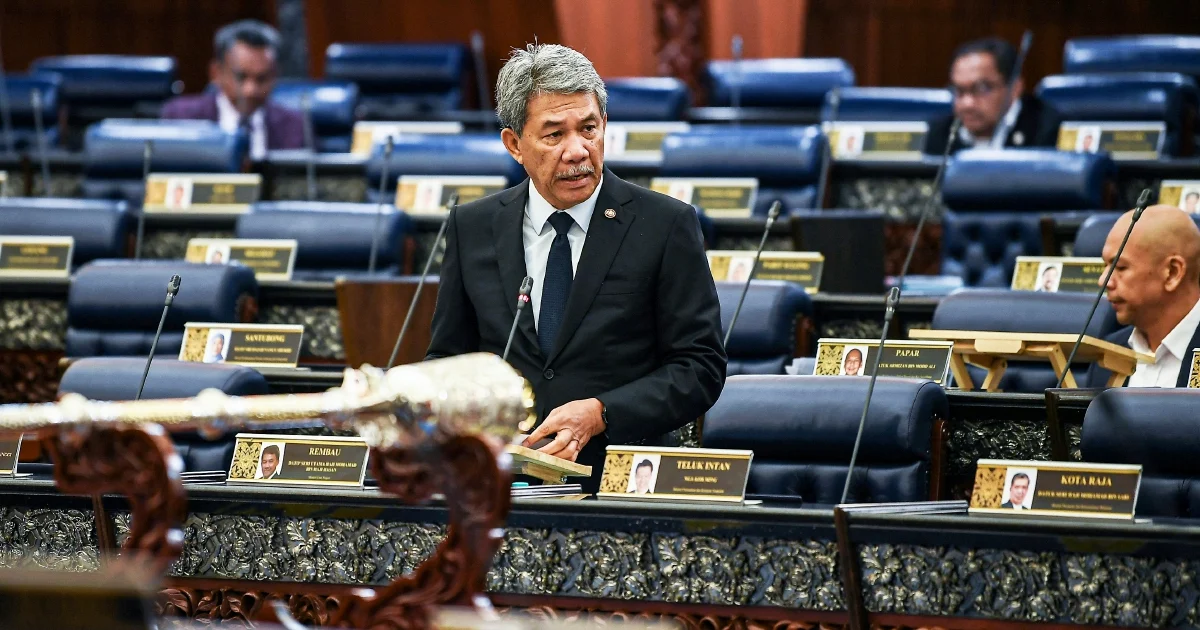
Malaysia has clarified its position on Myanmar's political situation, emphasising that the country has never formally recognised the current administration in Naypyidaw since the military takeover. This reaffirmation comes as an important reminder of Kuala Lumpur's principled stance on the crisis that has engulfed Myanmar since the 2021 coup d'état, which toppled the democratically elected government and sparked widespread civil unrest across the Southeast Asian nation.
The statement, made by Malaysian officials, underscores a critical distinction in international relations: practical engagement with authorities on the ground does not equate to formal diplomatic recognition or legitimation of their rule. This nuance is particularly important in the context of the Myanmar crisis, where many nations have struggled to balance humanitarian concerns, regional stability, and respect for democratic principles. Malaysia's approach reflects an attempt to maintain this delicate equilibrium while preserving its diplomatic options and moral position.
Regional dynamics have complicated Malaysia's ability to pursue a purely isolationist approach towards Myanmar. As a member of the Association of Southeast Asian Nations, Malaysia is bound by ASEAN's doctrine of non-interference, yet also committed to the grouping's consensus-based decision-making on regional issues. The Myanmar crisis has exposed tensions within ASEAN itself, with different member states adopting varying degrees of engagement with Naypyidaw's authorities. Some nations have pursued pragmatic dialogue to maintain channels of communication, while others have maintained stricter positions. Malaysia's clarification suggests it is attempting to navigate this complex landscape without appearing to abandon its commitment to democratic governance.
The distinction between engagement and recognition carries significant implications for Myanmar's international standing. Many countries, including Malaysia, have withheld official recognition of the military-led administration, treating it as a non-legitimate government despite its de facto control over state apparatus and territory. This approach preserves the option of recognising an alternative government should Myanmar's political situation change fundamentally. It also sends a signal to the military leadership that continued international isolation remains a cost of their actions, potentially creating incentives for dialogue with opposition movements.
Malaysia's humanitarian role in the Myanmar crisis has grown increasingly complex. The country has hosted hundreds of thousands of Rohingya refugees, a burden that predates the 2021 coup but has been exacerbated by ongoing instability and persecution in Myanmar's Rakhine State. Maintaining pragmatic channels of communication with officials in Naypyidaw, even without formal recognition, allows Malaysia to advocate for refugee protection, humanitarian access, and the prevention of further atrocities. This practical engagement serves Malaysian interests and reflects the government's concern for the region's stability and human welfare.
Recent diplomatic contacts between Malaysian officials and representatives from Myanmar's current administration have sparked questions about Kuala Lumpur's consistency on the non-recognition question. Such meetings are routine in international relations—governments frequently engage with authorities they do not officially recognise, particularly when bilateral issues require attention. However, the public nature of some interactions has generated misunderstandings about Malaysia's actual position. The clarification by Malaysian officials addresses these concerns and reaffirms that ad hoc meetings do not constitute a shift in formal policy or implicit acceptance of the junta's legitimacy.
The broader context reveals how Myanmar's political crisis continues to reverberate across Southeast Asia. The country's instability has implications for border security, refugee flows, narcotics trafficking, and regional security cooperation. Malaysia, given its geographic proximity and economic ties to Myanmar, cannot afford to completely sever practical channels of dialogue with Naypyidaw. At the same time, capitulating to the military administration would undermine ASEAN's stated commitment to democracy and conflict resolution, and would disappoint Myanmar's pro-democracy movements and civil society organisations that have looked to regional partners for support.
International precedent provides some guidance for Malaysia's balancing act. Many nations have avoided formally recognising Myanmar's current administration while maintaining working relationships with its officials on specific issues. This approach has allowed countries to preserve diplomatic flexibility, avoid legitimising military rule, and maintain leverage for advocating change. The United Nations, notably, continues to recognise Myanmar's pre-coup government representatives in its General Assembly, despite the military's physical control of government institutions.
Looking forward, Malaysia's position may influence how ASEAN collectively addresses Myanmar's governance crisis. If the bloc can establish a consensus that acknowledges current realities on the ground while maintaining principled opposition to the coup and its aftermath, it might create space for coordinated efforts toward dialogue and eventual democratic transition. However, this requires all member states to articulate their positions clearly and consistently, which Malaysia's recent clarification helps to achieve. The statement serves not only to correct external misperceptions but also to reinforce Malaysia's commitment to democratic values within a pragmatic diplomatic framework.
The issue remains deeply sensitive within Myanmar itself, where opposition movements and civil society organisations view international recognition as pivotal to their struggle for democratic restoration. Malaysia's explicit rejection of the military administration's legitimacy, even while engaging tactically with its officials, sends an important signal to these groups that the international community has not abandoned them. This nuanced positioning reflects the complexity of managing foreign policy in a region where ideals and interests frequently collide, requiring governments to chart careful courses between principle and pragmatism.

