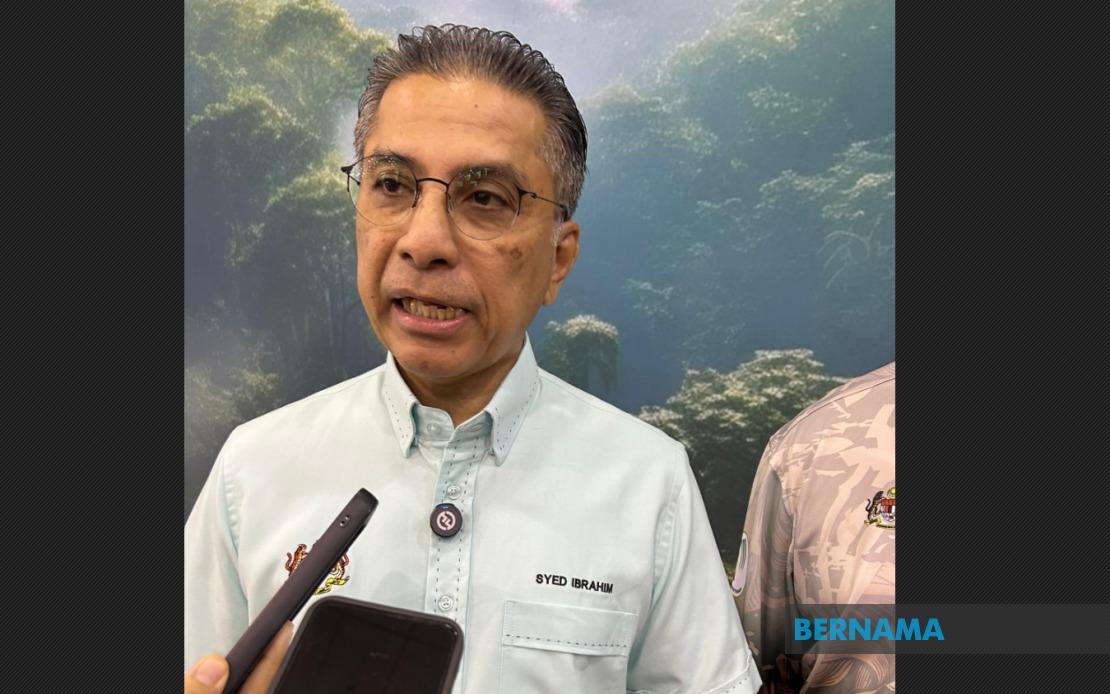
Malaysia's Ministry of Natural Resources and Environmental Sustainability has confirmed it is maintaining rigorous oversight of three Asian elephants relocated to Tennoji Zoo in Osaka, Japan, earlier this year. Deputy Minister Syed Ibrahim Syed Noh disclosed during parliamentary proceedings that Dara, Amoi and Kelat arrived at the Japanese facility in March as part of an extensive bilateral conservation initiative spanning 25 years between Taiping Zoo and Night Safari and their Japanese counterpart. The arrangement represents a significant commitment to species preservation through managed habitat programmes, reflecting growing international cooperation on elephant conservation across Asia-Pacific regions.
The transfer itself was conducted with considerable preparatory rigour. Before the three elephants embarked on their journey across the South China Sea, the Department of Wildlife and National Parks undertook exhaustive assessments examining both the physical and psychological dimensions of relocation. These evaluations specifically verified that Tennoji Zoo maintained compliance with globally recognized standards for wildlife management and animal husbandry. Such due diligence reflects international best practices increasingly demanded by source nations when permitting the export of endangered species, ensuring that animals are not moved to facilities with substandard conditions or questionable track records in conservation care.
To facilitate the elephants' transition during their critical acclimation period, Malaysia deployed a dedicated team of seven Perhilitan mahouts to Osaka on a rotating basis immediately following the March relocation. These experienced handlers remained on-site for two months, providing continuity of care and emotional stability during the animals' adjustment to new environments, dietary regimes and social structures. Recognizing that acclimatization extends beyond initial months, the ministry subsequently arranged for two additional mahouts to work at the zoo from June through the end of that month, reinforcing its commitment to monitoring long-term adaptation outcomes and identifying emerging welfare concerns before they escalate into serious health or behavioural complications.
The strategic partnership underpinning this arrangement emerged from formal negotiations between the two institutions. Taiping Zoo and Night Safari, which manages Malaysia's Night Safari facility, finalized the 25-year master agreement with Tennoji Zoo following extensive discussions about conservation objectives, animal welfare protocols and diplomatic reciprocity. Such multi-decadal frameworks allow participating institutions to coordinate breeding programmes, genetic management and research initiatives aimed at sustaining viable populations of endangered Asian elephants. For Malaysia, the partnership also strengthens regional diplomatic ties with Japan while demonstrating commitment to international conservation efforts that transcend national boundaries.
During parliamentary questioning, concerns emerged regarding previous elephant exports. Member of Parliament Young Syefura Othman raised queries about government mechanisms for monitoring animals sent abroad and highlighted public and non-governmental organization calls for the three elephants to be repatriated to Malaysia. The deputy minister emphasized that the government prioritizes ensuring cooperation adheres strictly to contractual and legal frameworks while maintaining cordial diplomatic relations with Japan. This stance reflects the delicate balance nations must navigate when balancing domestic animal welfare activism with formal international agreements and bilateral relationships.
Syed Ibrahim indicated flexibility regarding independent oversight mechanisms. The Ministry of Natural Resources signaled openness to facilitating independent observer visits or NGO monitoring missions should both Taiping Zoo and Tennoji Zoo reach mutual consensus and such arrangements align with existing contractual obligations. This measured approach acknowledges legitimate public interest in elephant welfare while respecting established agreements and institutional autonomy. For Malaysian civil society organizations concerned about the elephants' conditions, this represents a potential pathway toward on-site verification, though implementation would depend on negotiations between the zoos themselves.
The ministry also addressed persistent allegations concerning historical elephant exports. Claims circulated suggesting that 19 elephants previously sent overseas had been lost or suffered unknown fates, generating public anxiety about Malaysia's track record in protecting exported animals. Syed Ibrahim clarified that such figures lacked official foundation, characterizing them as unofficial estimates lacking documentary support. According to verified Perhilitan records spanning since 1977, only 10 elephants have been officially exported internationally, substantially fewer than alleged. This discrepancy underscores the importance of transparent record-keeping in wildlife management and the challenges governments face when confronting unverified claims in digital age environments where misinformation spreads rapidly.
The situation reflects broader Southeast Asian patterns regarding captive elephant management and international conservation cooperation. As wild elephant populations decline across the region due to habitat loss and human-wildlife conflict, managed breeding programmes at zoos play increasingly significant roles in genetic preservation and public education. However, such programmes also generate ethical debates about whether captive breeding serves genuine conservation purposes or primarily entertainment functions. For Malaysian stakeholders, the Tennoji Zoo arrangement offers an opportunity to observe how international partnerships function in practice and whether collaborative models can genuinely advance species preservation objectives while maintaining rigorous welfare standards.
The deployment of Malaysian mahouts represents a culturally significant dimension often overlooked in technical discussions of elephant welfare. These handlers possess specialized knowledge of elephant behaviour, dietary preferences and health patterns accumulated through generations of experience within Malaysian contexts. Their presence at Tennoji Zoo bridges cultural and linguistic gaps that might otherwise complicate the elephants' adjustment, particularly in early stages. This approach aligns with global best practices increasingly emphasizing the importance of familiar human handlers in facilitating successful animal relocations, recognizing that elephants form strong social bonds and respond better to consistent caregiving.
Looking forward, the success of this arrangement will substantially influence Malaysian policy regarding future elephant exports and international wildlife cooperation. If Dara, Amoi and Kelat demonstrate excellent welfare outcomes and the partnership generates meaningful conservation outputs, it will validate Malaysia's approach and potentially encourage similar initiatives with other countries. Conversely, should welfare concerns emerge or promised conservation benefits fail to materialize, it could catalyze more restrictive policies and heightened scrutiny of export proposals. The parliamentary attention this matter receives indicates that Malaysian lawmakers and constituents regard elephant welfare as a priority concern deserving ongoing ministerial attention and public accountability.

