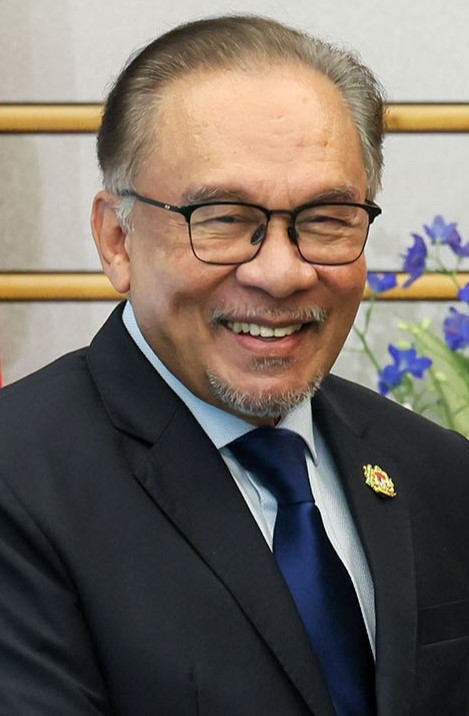
Malaysia has thrown its weight behind efforts to resolve the protracted standoff between the United States and Iran, with Prime Minister Datuk Seri Anwar Ibrahim publicly endorsing the nascent understanding between the two nations aimed at terminating their escalating hostilities. Speaking through a Facebook statement on June 15, Anwar expressed optimism about the trajectory of negotiations, particularly welcoming news that a formal memorandum of understanding is expected to be signed imminently.
The Prime Minister's measured response reflects Kuala Lumpur's deep strategic interest in ensuring stability across critical maritime corridors that directly impact Malaysia's own prosperity. His comments come in the wake of US President Donald Trump's announcement that a comprehensive accord with Iran has been reached, with Washington signalling its intention to authorize the reopening of the Strait of Hormuz and remove its naval blockade—moves that would fundamentally reshape regional shipping patterns and energy markets.
In his statement, Anwar specifically singled out Pakistan's diplomatic intermediaries for their instrumental role in facilitating negotiations between Washington and Tehran. This acknowledgment underscores how Southeast Asian and broader Asian nations are increasingly positioning themselves as constructive mediators in major international disputes, leveraging their geographic positioning and relationships with multiple global actors. For Malaysia, which has maintained pragmatic ties with both Western and Islamic-majority nations, such conflicts pose uncomfortable choices between competing partnerships.
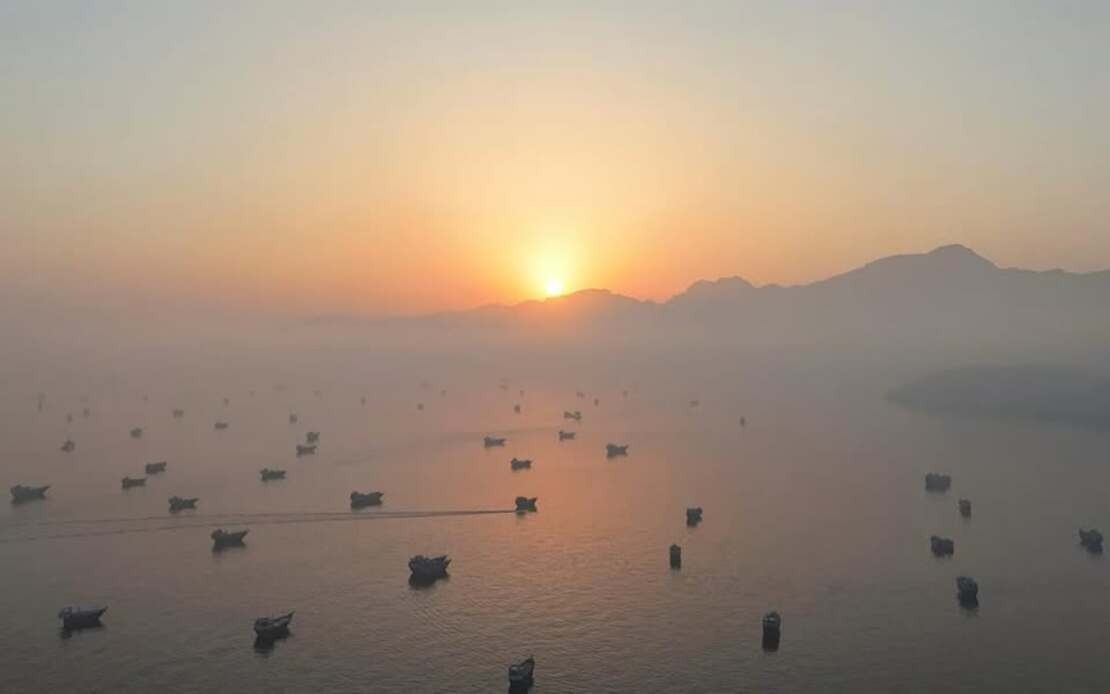
At the heart of Anwar's intervention lies a fundamental concern that resonates throughout the maritime-dependent economies of Southeast Asia: the restoration of unobstructed passage through the Strait of Hormuz. Approximately one-third of global maritime trade transiting through this chokepoint includes vast quantities of liquefied natural gas and petroleum products destined for markets across East and Southeast Asia, including Malaysia itself. The Prime Minister characterized the waterway not merely as a transit corridor but as a vital circulatory system for international commerce and energy flows upon which millions of businesses and households depend.
Anwar's insistence that the Strait's reopening be treated with maximum urgency carries substantial weight given Malaysia's position as a major shipping hub and energy trader. Any prolonged closure or disruption creates cascading consequences throughout regional supply chains, elevating costs for consumers and manufacturers alike. His blunt assessment that "prolonged disruption would serve no one" reflects a pragmatic recognition that neither party to the conflict gains advantage from extended paralysis of global commerce.
Crucially, the Prime Minister's statement articulates a philosophy of constructive engagement rather than finger-pointing. He has called upon all involved parties, alongside external actors with influence in the region, to demonstrate good faith commitment to translating understandings into durable, legally binding settlements. Anwar's caution against actions that could "derail diplomacy and renew hostilities" represents a barely veiled warning to regional and extraregional powers that any provocative moves risk unravelling the delicate progress achieved through mediation.
Malaysia's positioning as a potential supporter of peace implementation reflects broader shifts in how Southeast Asian nations see their roles on the global stage. Rather than remaining passive observers of great power conflicts, countries like Malaysia are asserting themselves as stakeholders in international stability, offering mediation services, diplomatic cover, and implementation support where their interests align with conflict resolution. Anwar's explicit statement that Malaysia stands ready to contribute to achieving "a just and lasting settlement" signals Kuala Lumpur's willingness to participate in whatever monitoring, verification, or confidence-building mechanisms emerge from the accord.
The emphasis on maintaining international momentum also reveals awareness among Malaysian policymakers that such breakthroughs remain fragile. History demonstrates that agreements negotiated under pressure can unravel quickly if key parties feel sidelined during implementation phases or if unforeseen complications arise. By urging the global community to sustain engagement, Anwar is implicitly suggesting that Malaysia views this as a moment demanding sustained diplomatic energy rather than a finish line where participants can withdraw.
For Malaysia specifically, a stabilized Middle East carries implications extending far beyond energy security. The country hosts significant numbers of workers from both Iran and Arab states, manages substantial bilateral trade relationships across the region, and has interests in preventing sectarian tensions from destabilizing its own multicultural society. A sustained conflict between Washington and Tehran risks creating proxy tensions that could metastasize into broader regional fragmentation, ultimately threatening the very principle of peaceful coexistence that undergirds ASEAN.
Anwar's carefully calibrated response also demonstrates Malaysia's navigation of complex geopolitical currents. By welcoming the accord without denigrating either party, and by emphasizing universal benefits from peace rather than assigning blame for past hostilities, Kuala Lumpur positions itself as a responsible middle power genuinely concerned with systemic stability rather than scoring ideological points. This approach has long characterized Malaysia's foreign policy orientation within ASEAN and beyond.
The coming weeks will test whether the understanding between Washington and Tehran can indeed crystallize into binding commitments and whether implementation proves smoother than previous regional peace initiatives. Malaysia's readiness to support this process—whether through diplomatic venues, technical assistance, or confidence-building participation—underscores how interconnected regional stability has become in an era where disruptions thousands of kilometers away can reverberate through Malaysian supply chains and energy markets within hours. The Prime Minister's intervention, therefore, represents not merely symbolic solidarity with peace but a calculated assertion of Malaysia's interests in an ordered international system.