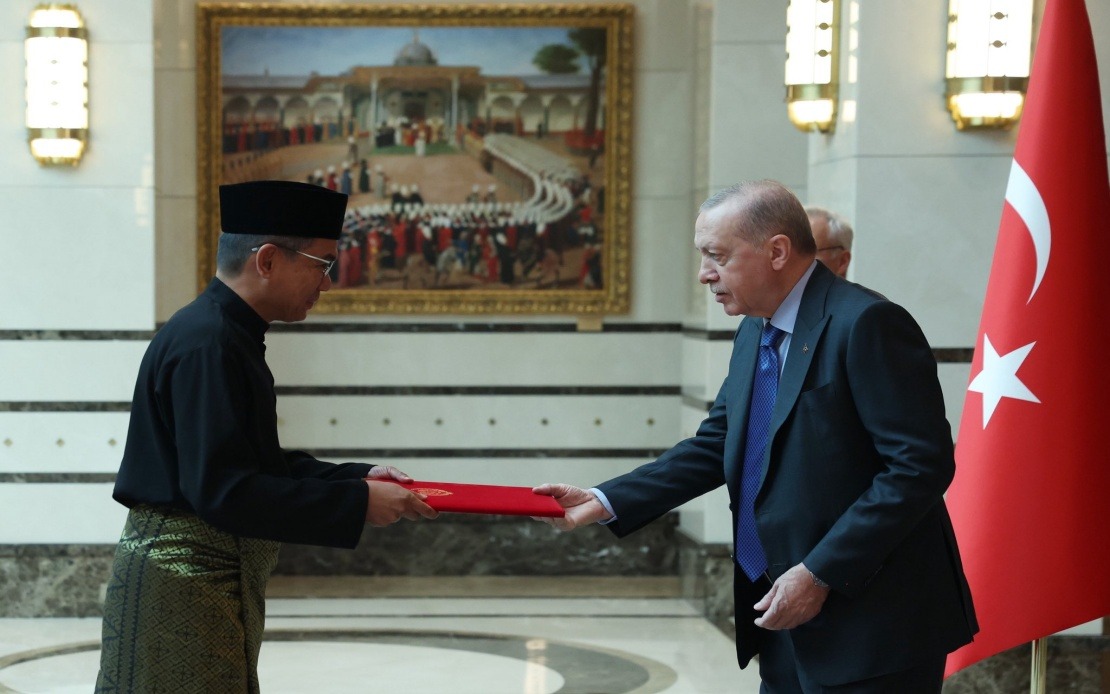
Malaysia has formally pledged its support for Türkiye's aspiration to become an ASEAN Dialogue Partner, signalling deepening strategic alignment between the Southeast Asian nation and the Middle Eastern powerhouse. The endorsement came during a high-level diplomatic exchange when Malaysian Ambassador to Türkiye Adlan Mohd Shaffieq presented his letter of credence to Turkish President Recep Tayyip Erdoğan at the Presidential Complex in Ankara on June 17, with the Malaysian Embassy in Ankara publicly announcing the position on June 18.
The timing and manner of Malaysia's backing carry particular significance in the regional diplomatic landscape. By positioning Türkiye's dialogue partner candidacy as a natural extension of existing partnerships, Kuala Lumpur is essentially vouching for the country's commitment to Southeast Asian interests and values. Ambassador Shaffieq's formal articulation of support frames Türkiye not as an external actor seeking influence, but as an increasingly integrated regional stakeholder whose engagement benefits ASEAN's collective strategic objectives.
Türkiye's growing relevance to Southeast Asia reflects broader geopolitical shifts reshaping international relations. The ambassador emphasised that Ankara has demonstrated its credentials through substantive economic investment, a sophisticated strategic outlook attuned to regional concerns, and expanding connections between Turkish and Southeast Asian societies. This multidimensional engagement—encompassing trade, security cooperation, and cultural exchange—provides the foundation for a more formalised institutional relationship through dialogue partner status.
The bilateral partnership between Malaysia and Türkiye exemplifies the depth these ties have achieved. Beyond conventional diplomatic courtesies, the countries maintain active cooperation spanning education, defence procurement and training, and the halal industry—areas of particular strategic importance to Malaysia's economic development and Islamic identity. The emphasis on the halal sector is especially noteworthy, as Türkiye's expertise and manufacturing capabilities position it as a natural collaborator for Malaysia's ambitions to strengthen its status as a global halal hub.
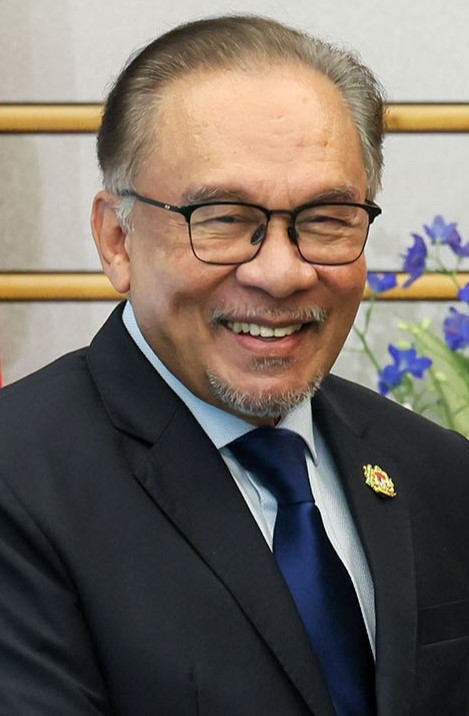
Personal rapport between national leaders has catalysed this relationship. The ambassador highlighted how the strong personal connection between President Erdoğan and Prime Minister Datuk Seri Anwar Ibrahim creates opportunities to translate goodwill into concrete cooperation. In contemporary international relations, such personal chemistry between leaders often determines whether diplomatic potential translates into tangible outcomes, and the Malaysian envoy explicitly suggested leveraging this relationship to expand sectoral collaboration.
The Malaysian government's message simultaneously conveyed greetings from His Majesty Sultan Ibrahim, King of Malaysia, and Prime Minister Anwar to the Turkish president, underscoring that the support for dialogue partner status enjoys backing from Malaysia's highest political circles. This multi-level institutional endorsement signals that the position reflects considered policy rather than merely ambassadorial discretion, enhancing its diplomatic weight within ASEAN deliberations on Türkiye's candidacy.
Türkiye's ambition to formalise its ASEAN relationship comes as the association increasingly recognises the utility of partnerships with non-regional powers that can contribute to peace, economic development, and security. Dialogue partner status would grant Türkiye structured engagement mechanisms, creating frameworks for regular consultation on matters of mutual concern. For ASEAN, the arrangement offers access to Turkish expertise and influence in Middle Eastern and Eastern Mediterranean affairs, counterbalancing other major power relationships.
From Ankara's perspective, the Malaysian endorsement removes potential obstacles to advancing dialogue partner aspirations. Malaysia's backing demonstrates that the initiative enjoys genuine support from significant ASEAN members, rather than facing opposition rooted in concerns about Turkish intentions or capabilities. Consent-based decision-making within ASEAN means that major member state support substantially improves Türkiye's prospects for formal designation.
The bilateral relationship itself is projected to grow substantially. President Erdoğan expressed confidence that trade between the countries would expand and eventually reach a target of US$10 billion, reflecting optimism about economic integration. This ambitious target reflects confidence in expanding sectors beyond current cooperation, potentially encompassing technology, manufacturing, and tourism. Achieving such growth would position Türkiye among Malaysia's significant trading partners and deepen economic interdependence.
For regional observers, Malaysia's position underscores how Southeast Asian nations maintain principled relationships with non-Western powers while managing traditional alignments. By championing Türkiye's dialogue partner candidacy, Kuala Lumpur demonstrates agency in shaping ASEAN's external partnerships according to its own strategic calculus rather than deferring to other major power preferences. This reflects Malaysia's longstanding diplomatic tradition of balancing multiple relationships while prioritising ASEAN interests and Muslim-majority country cooperation.
The implications extend beyond Malaysia-Türkiye bilateral relations. If Türkiye successfully achieves dialogue partner status—a prospect enhanced by Malaysia's advocacy—ASEAN would gain a partner with significant capabilities in areas ranging from defence technology to tourism development. Türkiye's geographic position straddling Europe and Asia, combined with its diplomatic influence across the Middle East and Mediterranean, would add valuable perspectives to ASEAN deliberations on global issues.
The dialogue partner framework also offers Türkiye opportunities to engage ASEAN on issues important to Istanbul, including maritime security challenges in the Strait of Malacca and surrounding waters, counterterrorism cooperation, and religious dialogue initiatives. Türkiye's own experience managing diverse populations and navigating complex security environments could inform ASEAN approaches to similar challenges, creating space for knowledge exchange and policy coordination.
Looking forward, Malaysia's endorsement represents an opening gambit in what will likely become broader consultations within ASEAN on Türkiye's candidacy. Other major members must similarly lend support, though the Malaysian position removes diplomatic uncertainty about whether dialogue partner status enjoys consensus backing. As regional dynamics continue evolving and non-Western powers increasingly seek structured engagement with ASEAN, frameworks like dialogue partnerships will prove increasingly valuable for managing complex international relationships.