%22%2F%3E%3C%2Fpattern%3E%3C%2Fdefs%3E%3Crect%20width%3D%22100%25%22%20height%3D%22100%25%22%20fill%3D%22url(%23ph3k8vbg)%22%2F%3E%3Crect%20width%3D%22100%25%22%20height%3D%22100%25%22%20fill%3D%22url(%23ph3k8vbp)%22%2F%3E%3Ctext%20x%3D%2250%25%22%20y%3D%2250%25%22%20text-anchor%3D%22middle%22%20dominant-baseline%3D%22central%22%20fill%3D%22rgba(255%2C255%2C255%2C0.95)%22%20font-family%3D%22Georgia%2C%20'Times%20New%20Roman'%2C%20serif%22%20font-weight%3D%22700%22%20font-size%3D%22170%22%20letter-spacing%3D%22-0.02em%22%3EMalaysia%3C%2Ftext%3E%3C%2Fsvg%3E)
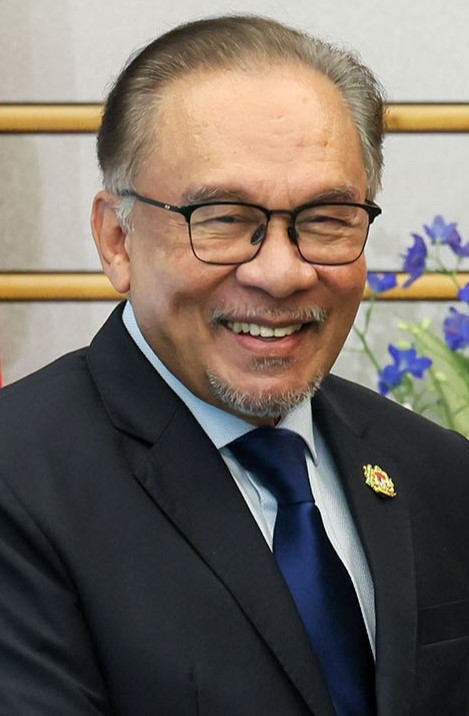
Prime Minister Anwar Ibrahim used a stopover in Tashkent on June 17 to engage Uzbekistan's leadership in substantive discussions about broadening bilateral ties across multiple economic sectors. The talks underscored Malaysia's strategic positioning within Central Asia and the nation's readiness to deepen engagement beyond traditional Southeast Asian partnerships. The meeting demonstrated Kuala Lumpur's intent to leverage existing diplomatic channels for tangible commercial and developmental gains in an increasingly multipolar global landscape.
Energy cooperation emerged as a cornerstone of the discussions, reflecting Malaysia's role as a significant hydrocarbon producer and Uzbekistan's status as a major energy exporter in Central Asia. The Central Asian republic holds substantial reserves of natural gas and oil, while Malaysia possesses advanced refining and petrochemical capabilities. Exploring synergies in the energy sector could create mutual benefits, allowing both nations to optimise resource management and develop new market opportunities. For Malaysia, such partnerships diversify energy sourcing and technology partnerships beyond traditional Middle Eastern suppliers, while Uzbekistan gains access to Malaysian expertise in downstream petroleum operations and export infrastructure.
Trade expansion formed a second pillar of the bilateral agenda. The two countries discussed mechanisms to increase commercial flows and remove barriers to market access. Malaysia's manufacturing and services sectors could find receptive markets in Central Asia, while Uzbek products—from textiles to agricultural goods—could tap into Malaysian distribution networks serving Southeast Asia. Enhanced trade volumes would strengthen economic interdependence and create new employment opportunities in both nations. For Malaysian businesses, Central Asia represents an underexploited market with growing middle-class consumer bases and developing infrastructure projects requiring foreign expertise and investment.
The halal industry featured prominently in the discussions, reflecting Malaysia's established position as a global halal hub and certifier. Uzbekistan, with its significant Muslim population and growing interest in halal-compliant products and services, represents a natural market for Malaysian halal expertise and standards. Malaysia's halal certification and expertise in halal food production, pharmaceuticals, and cosmetics could help Uzbekistan develop its own halal ecosystem and access the expanding global halal market valued at over USD 2 trillion annually. This sector offers particular promise for small and medium-sized Malaysian enterprises seeking expansion opportunities in Central Asia without requiring massive capital outlays.
Tourism cooperation also featured in the bilateral agenda, with both nations recognising mutual benefits from increased visitor exchanges. Malaysia's mature tourism infrastructure, hospitality expertise, and marketing prowess could assist Uzbekistan in enhancing its appeal to international visitors, particularly Muslim travellers seeking halal-compliant services. Uzbekistan's rich cultural heritage, historic Silk Road cities, and architectural treasures could attract Malaysian tourists seeking alternative travel destinations. Enhanced tourism flows would generate foreign exchange, create service sector jobs, and foster people-to-people connections that strengthen diplomatic bonds beyond governmental channels.
The timing of these discussions carries significance within Malaysia's broader foreign policy framework. Southeast Asian nations have increasingly recognised the importance of cultivating relationships with Central Asian states as global power dynamics shift and new economic corridors emerge. Uzbekistan's geographic position at the intersection of multiple regional initiatives—including the Belt and Road Initiative, the Shanghai Cooperation Organisation, and various Central Asian trade groupings—makes it a strategically valuable partner. Malaysia's engagement signals awareness that regional influence extends beyond ASEAN's immediate neighbourhood and that economic prosperity depends on fostering ties across Eurasia.
For Uzbekistan, partnership with Malaysia offers access to Southeast Asian markets and integration into regional value chains. Malaysia's membership in ASEAN and established trade relationships with major Asian economies like China, Japan, and South Korea provides leverage that landlocked Central Asian nations lack. Uzbek businesses could utilise Malaysia as a gateway to Southeast Asian markets, potentially establishing regional headquarters or manufacturing bases within the country. This complementary positioning creates natural incentives for deepening cooperation across sectors.
The halal industry dimension particularly strengthens Malaysia's hand in Central Asian diplomacy. As the world's leading halal certifier and standard-setter, Malaysia exercises soft power through its religious and ethical authority within Muslim-majority nations. Extending halal expertise to Uzbekistan enhances Malaysian influence in Central Asia while genuinely addressing market demands. This represents sophisticated statecraft that aligns commercial interest with cultural affinity and religious authority.
Practical implementation of these discussions will require establishing institutional mechanisms for regular consultation, technical cooperation, and commercial facilitation. Both governments likely need to develop sector-specific working groups addressing energy cooperation frameworks, tariff harmonisation for trade, halal industry standards alignment, and tourism promotion strategies. Malaysian diplomatic missions in Tashkent will play expanded roles coordinating business missions and investment promotion activities.
The broader regional implications extend to ASEAN's positioning within Central Asia. As Southeast Asian nations individually strengthen Central Asian ties, the organisation collectively enhances its diplomatic weight and economic options. Malaysia's proactive engagement complements similar efforts by other ASEAN members, gradually building a network of relationships that could translate into coordinated regional strategies on trade, security, and development priorities affecting both Asia-Pacific and Central Asian interests.
These discussions reflect pragmatic recognition that sustainable development and prosperity require transcending traditional geographic boundaries. Malaysia's outreach to Uzbekistan demonstrates commitment to expanding economic partnerships, exploring new markets, and positioning the nation as a hub for trans-regional commerce and expertise. Success in these endeavours would generate economic benefits for both populations while establishing foundations for deeper strategic cooperation in an increasingly interconnected world.