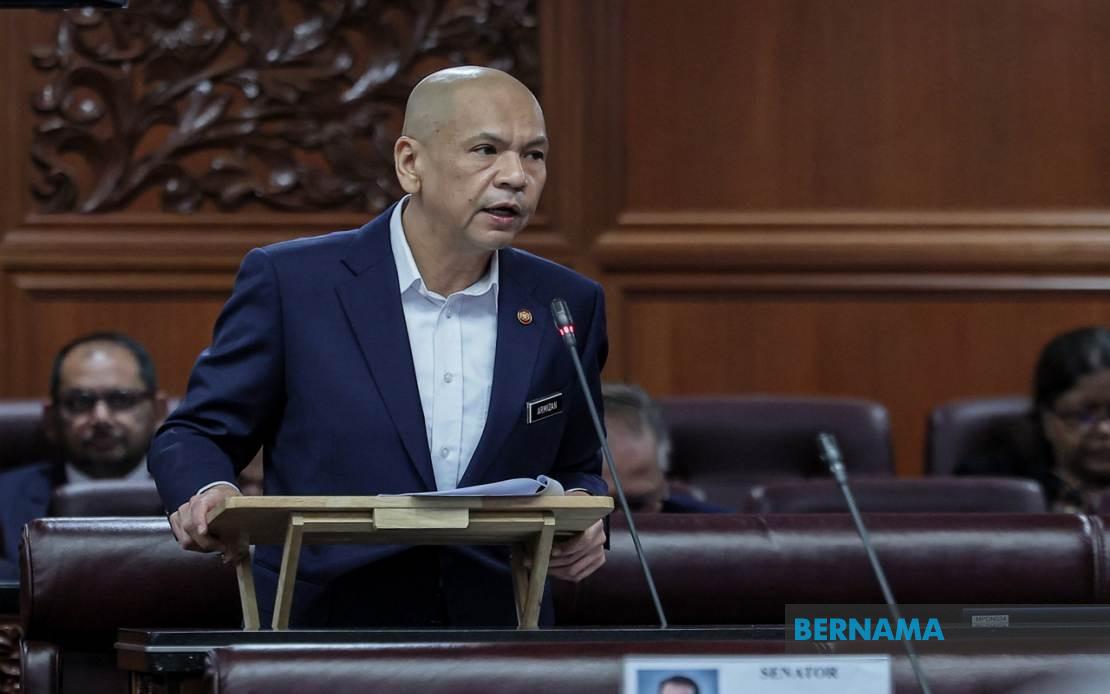
Malaysia is moving forward with significant reforms to its competition framework, with the Domestic Trade and Cost of Living Ministry (KPDN) tabling two amendment bills in parliament on June 23. Minister Datuk Armizan Mohd Ali presented both the Competition (Amendment) Bill 2026 and the Competition Commission (Amendment) Bill 2026 for first reading in the Dewan Rakyat, with plans to advance them to second reading within the current parliamentary session. The dual legislative approach signals the government's commitment to overhauling competition law mechanisms that have operated substantially unchanged since their initial introduction over a decade ago.
The primary amendment bill targets the Competition Act 2010, which established the foundational framework for competition policy in Malaysia. By strengthening the investigative and enforcement apparatus of the Malaysia Competition Commission (MyCC), the reforms address growing concerns that the regulator has lacked sufficient tools to effectively police increasingly complex corporate behaviour. Enhanced investigative powers are particularly timely given Malaysia's rising integration into regional and global supply chains, where anti-competitive practices can have outsized effects on consumer welfare and economic efficiency. The amendments also seek to refine internal decision-making procedures within MyCC itself, recognising that administrative efficiency directly impacts the speed and quality of competition enforcement.
One of the most consequential changes involves expanding the definitional scope of competition law. Clause 3 proposes that Act 712 will no longer apply solely to commercial activities but extend to all economic activities. This seemingly technical rewording carries substantial practical implications, potentially bringing within regulatory purview activities previously considered outside the competition law framework. For Malaysian businesses operating across diverse sectors—from telecommunications and finance to agriculture and services—this expansion could alter compliance obligations and competitive dynamics in unexpected ways. The change reflects international best practice, where competition law typically casts a wide net to prevent anti-competitive conduct wherever it occurs in the economy.
MyCC's information-gathering capabilities receive particular attention under Clause 7, which grants the commission authority to demand information and documents from any individual or government entity during market reviews. This provision addresses a longstanding practical challenge: competition regulators often struggle to obtain data from government bodies that claim exemptions or protective protocols. By explicitly empowering MyCC to access government-held information, the amendments recognise that modern competition analysis frequently requires sector-wide data that state institutions hold. For Malaysia, where state-linked enterprises feature prominently across the economy, such access is essential for meaningful competition assessment.
The bills introduce stronger penalties for conduct that obstructs regulatory action. Clause 13 creates a new offence targeting intentional destruction, concealment, defacement or alteration of data or materials designed to deceive MyCC or hinder its investigations. This provision directly addresses investigative frustration: companies or individuals that destroy evidence or manipulate records can severely hamper enforcement efforts. By criminalising such obstruction, the amendments raise the cost of non-cooperation and signal that regulators will pursue multiple legal avenues when businesses attempt to conceal anti-competitive behaviour. The provision also serves a deterrent function, signalling to market participants that competition breaches will be pursued with greater vigour.
The companion Competition Commission (Amendment) Bill 2026 reshapes MyCC's institutional structure and governance. Clause 8 explicitly clarifies that MyCC serves an advisory function to the minister, public authorities and regulatory bodies on competition matters spanning policies, programmes and procedures. This codification of an advisory role reflects the reality that competition considerations increasingly intersect with sectoral regulation—telecommunications, utilities, banking and others—where MyCC insights can prevent regulatory decisions that inadvertently create or reinforce market distortions. By formalising this role, the amendments embed competition thinking into broader government decision-making.
Clause 10 addresses operational flexibility by authorising MyCC to delegate functions and powers to its chairman, committees, officers and employees. This seemingly administrative change enables faster decision-making and clearer accountability chains within the commission. Rather than requiring board-level approval for routine matters, delegation empowers senior leadership and specialists to act decisively within defined parameters. For a regulator handling potentially thousands of complaints, merger notifications and investigations annually, such delegation is operationally essential.
Govvernance improvements extend to personnel processes under Subclause 12(a), which proposes that MyCC itself appoints officers upon recommendation from the chief executive officer rather than through external appointment procedures. While potentially controversial from a broader public service perspective, this change aims to enhance meritocratic selection and insulate appointment decisions from political influence. Independent regulators across Asia increasingly reserve personnel authority to ensure their teams possess requisite expertise and independence. For Malaysia, where investor confidence partly rests on perception of regulatory impartiality, this governance reform carries symbolic and practical weight.
These amendments arrive at a critical juncture for Malaysian competition policy. Regional competitors including Indonesia, Thailand and the Philippines have progressively strengthened their competition frameworks in recent years. Malaysia risks appearing to lag unless it modernises its enforcement toolkit. Furthermore, merger activity involving Malaysian companies increasingly features cross-border elements where sophisticated parties exploit jurisdictional gaps and regulatory asymmetries. Stronger MyCC powers help level the playing field when dealing with multinational enterprises.
For consumers and businesses alike, the legislative changes carry implications spanning multiple dimensions. Consumers may ultimately benefit from more vigorous enforcement against price-fixing, bid-rigging and exclusionary conduct that inflates prices or limits choice. Small and medium enterprises operating in concentrated markets may find greater regulatory support against larger competitors' anti-competitive tactics. However, businesses must anticipate expanded MyCC scrutiny and should review compliance programmes accordingly. The bills signal that competition enforcement will intensify.
Implementation challenges loom despite legislative intent. MyCC requires adequate budget, personnel and training to exercise expanded powers effectively. The commission must develop expertise in emerging competition issues including digital markets, algorithms and data-driven discrimination—domains where Malaysian enforcement experience remains limited. Regional coordination will also matter increasingly, as anti-competitive conspiracies often involve cross-border participants that no single regulator can effectively police alone.
The parliamentary timetable for second reading suggests the government prioritises these reforms, though final passage timing remains uncertain pending legislative schedules. Once enacted, the amendments will reshape competition law practice for Malaysian companies, regulators, and the broader economy. The cumulative effect aims toward a more dynamic, transparent and efficiently enforced competition regime—essential infrastructure for a Southeast Asian economy competing for investment and innovation in an increasingly interconnected region.

