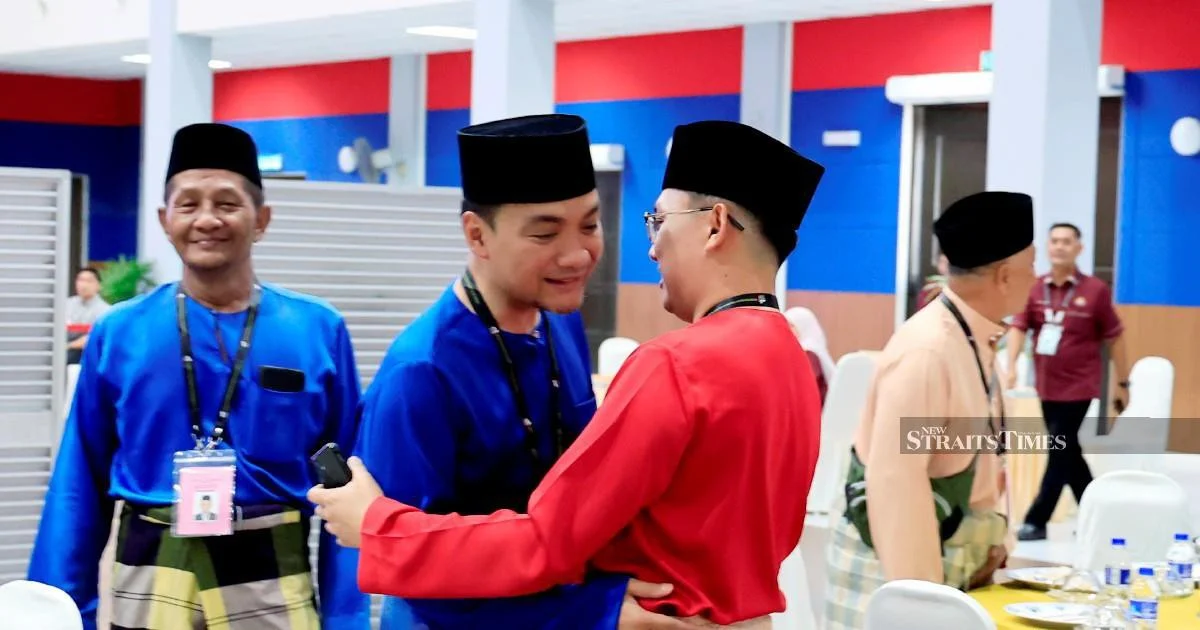
The Machap constituency in Johor is set for a straight fight between the ruling Barisan Nasional and opposition Pakatan Harapan candidates, with incumbent Caretaker Menteri Besar Datuk Onn Hafiz Ghazi confirmed as BN's representative in the forthcoming state election. The confirmation of a direct two-way contest eliminates the possibility of a three-cornered fight that had been anticipated in some political circles, potentially simplifying the electoral calculus for voters in this southern Johor seat.
Onn Hafiz, who currently serves as the state's chief minister in a caretaker capacity, faces a significant challenge in defending his Machap stronghold as the broader political landscape in Johor remains fluid following recent electoral developments. The contest represents a crucial battleground for both coalitions, with BN seeking to consolidate its position in the state and PH attempting to make inroads into what has historically been a BN-leaning area. The straight contest format means that every vote will carry heightened significance, as there will be no opportunity for votes to be split among multiple contenders.
Pakatan Harapan's challenger in the Machap seat has been identified, though the opposition coalition has not yet made an official public announcement of their candidate's full credentials and campaign platform. The PH nomination signals the coalition's determination to contest comprehensively across Johor, refusing to concede any seat to BN and maintaining pressure across multiple constituencies. This strategy reflects PH's broader approach in Johor, where the opposition is seeking to reclaim ground lost during previous electoral cycles and demonstrate renewed relevance to voters dissatisfied with the incumbent administration.
The Machap constituency has historically played an important role in Johor state politics, with its outcome often reflecting broader voting trends across the southern state. The seat's electorate comprises diverse demographic segments, including rural communities, small-town residents, and agricultural workers, making it representative of typical Johor constituencies. Understanding the concerns of these voters—from agricultural subsidies and rural infrastructure to unemployment and cost-of-living pressures—will likely be central to both campaigns in the coming weeks.
Onn Hafiz's position as caretaker Menteri Besar provides him with both advantages and constraints in his campaign. On one hand, his current official role allows him significant platform and resources for reaching out to constituents; on the other hand, he remains vulnerable to criticism regarding his administration's performance during a transitional period. His track record in addressing local grievances and delivering development projects will be subject to intense scrutiny from both PH campaigners and ordinary voters seeking tangible evidence of his commitment to the constituency beyond election season.
For Barisan Nasional, retaining Machap is considered important for maintaining its overall control in Johor, where the coalition has traditionally enjoyed strong support despite periodic challenges. The straight contest favours the major coalitions over independent candidates or splinter parties, suggesting that BN and PH strategists have effectively managed internal negotiations and party discipline in this particular seat. The absence of a third contestant simplifies BN's task of consolidating support around a single candidate rather than competing with other challengers.
The Johor election carries implications extending beyond the state level, as the outcome will influence perceptions of each coalition's electoral strength heading into potential federal-level political developments. A strong performance by either BN or PH in Johor would provide significant momentum and psychological advantage in negotiations over the direction of national politics. Given Johor's significant size and political weight, the results from constituencies like Machap will be closely analysed by political observers throughout Malaysia and the region.
Campaigning in Machap will likely focus on issues directly affecting residents' daily lives, including infrastructure development, economic opportunities, educational provision, and healthcare services. Both coalitions will attempt to frame themselves as better custodians of these essential services, with PH emphasizing reform and fresh governance while BN highlights experience and stability. The respective campaign teams will need to address specific local concerns that have accumulated over the preceding term, responding to community feedback about service gaps and unmet expectations.
The confirmation of the straight contest provides clarity for voters and both campaign teams, allowing them to mobilize resources and craft messaging strategies with greater certainty. Campaign dynamics in a two-way race differ significantly from multi-cornered contests, as voter psychology shifts when facing a clear binary choice between two options. This clarity may also accelerate campaign momentum, as neither coalition needs to hedge its messaging against potential surprise candidacies or spoiler effects from third parties.
As campaigning intensifies in Machap, observers will watch closely for indications of shifting voter preferences in this key constituency. The seat may well serve as an early indicator of broader trends within Johor, with its results potentially previewing outcomes in demographically similar constituencies across the state. Political analysts will be particularly attentive to whether rural voters maintain loyalty to BN or whether PH succeeds in mobilizing support through appeals to economic frustration or calls for political renewal. The straight contest between Onn Hafiz and his PH challenger will thus acquire significance that extends well beyond one constituency's boundaries.

