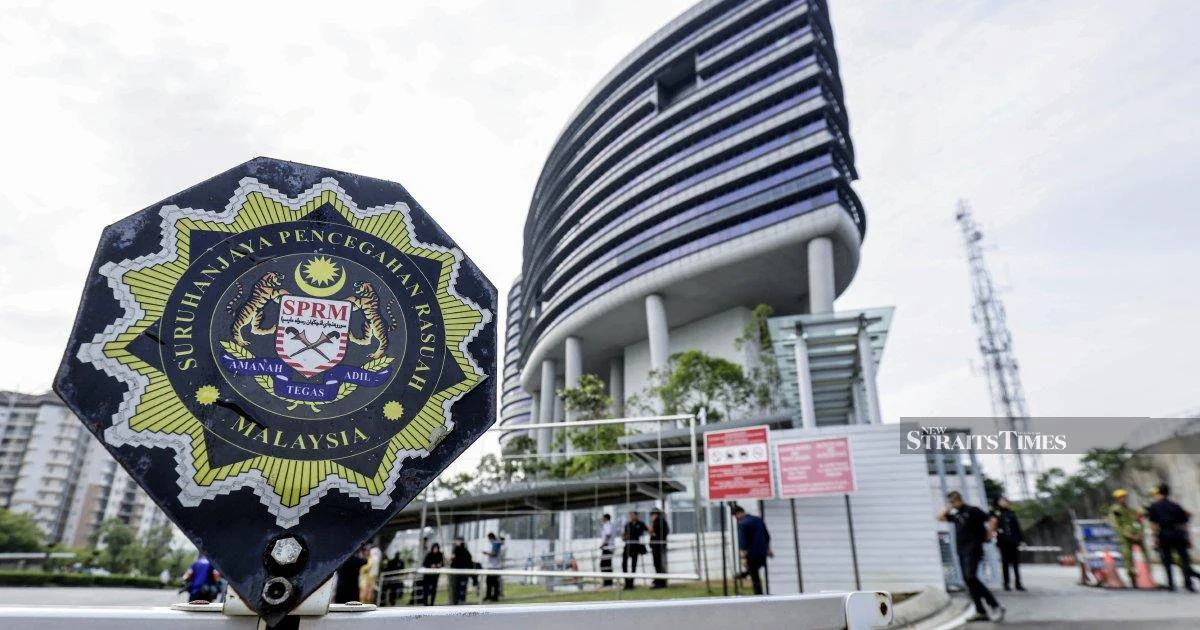
The Malaysian Anti-Corruption Commission has signalled a major escalation in its Op Sutra investigation with the imminent prosecution of an individual facing 158 separate charges. The defendant is expected to appear at Shah Alam Sessions Court for formal charges relating to the unlawful diversion of government money, marking a significant milestone in the anti-corruption body's efforts to address financial impropriety within the public sector.
Op Sutra represents a focused enforcement initiative by MACC targeting systemic corruption involving the misuse of state resources and funds. The operation's scope encompasses various government agencies and entities suspected of facilitating irregular financial transactions and embezzlement schemes. By bringing such a substantial number of charges against a single individual, the commission is demonstrating its commitment to pursuing accountability through the courts rather than merely conducting preliminary investigations.
The volume of charges—158 counts—suggests an extensive pattern of alleged misconduct spanning multiple transactions or over an extended timeframe. Such prosecutions typically involve meticulous documentary evidence, financial audits, and corroborating witness testimony that MACC has compiled during its investigation phase. Each charge must meet specific legal thresholds regarding individual transactions or distinct instances of alleged wrongdoing, indicating the gravity of the allegations against the accused.
From a governance perspective, this prosecution underscores Malaysia's ongoing struggle with corruption despite institutional reforms. The MACC, established in 2009 with enhanced powers compared to its predecessor body, continues to be tested by the complexity of financial crimes involving public institutions. However, the agency's willingness to pursue high-charge prosecutions demonstrates that enforcement mechanisms remain operational and willing to escalate cases through the judicial system.
The Shah Alam Sessions Court venue is significant, as it handles mid-tier criminal matters in Selangor. The court's caseload of corruption matters has expanded considerably in recent years, reflecting broader patterns of investigation and prosecution activity across Malaysian enforcement agencies. The prosecution process at this level typically involves preliminary enquiry procedures before potential trial proceedings, allowing considerable time for legal submissions and preliminary evidence examination.
For Malaysian taxpayers and the broader public, this case represents the downstream consequences of corruption control efforts. When public funds are misappropriated, the real impact extends across government service delivery, infrastructure projects, and social programmes. Prosecutions such as this one are intended to serve as deterrents, signalling that individuals found to have misused public resources face serious legal consequences including imprisonment and asset forfeiture.
The timing of formal charges following an investigative phase typically reflects MACC's internal assessment that sufficient evidence exists to proceed to court. The commission does not proceed with charges lightly, given the resource commitment required to prosecute complex financial crime cases through Malaysia's court system. This decision also suggests confidence in the evidentiary foundation supporting the 158 individual counts.
Regionally, Malaysia's approach to combating corruption through dedicated institutions and prosecutions remains relevant to other Southeast Asian nations grappling with similar governance challenges. The MACC's operational experience and willingness to pursue cases through conclusion offers institutional learning for the region, though effectiveness ultimately depends on consistent judicial support and political will to sustain prosecutorial momentum regardless of the accused's background or connections.
The public nature of this prosecution, announced in advance through media statements, reflects MACC's communication strategy of demonstrating tangible outcomes from its investigations. Such announcements serve multiple audiences: reinforcing to potential wrongdoers that investigation can lead to prosecution, reassuring the public that institutions are functioning, and establishing accountability mechanisms as credible components of Malaysia's governance framework.
Looking forward, the outcome of this case will have ripple effects across the civil service and government agencies. Public officials managing finances will be acutely aware that systematic scrutiny exists and that misconduct carries legal jeopardy. Similarly, the precedent established through prosecution and sentencing—once court proceedings conclude—will inform how similar cases are evaluated and pursued by the MACC in subsequent investigations.
The case also reflects broader debates within Malaysia about institutional capacity and the pace of corruption control. Bringing 158 charges represents a concentrated prosecution effort, but the total volume of suspected corruption cases in Malaysia likely far exceeds institutional capacity to investigate and prosecute simultaneously. This reality shapes enforcement agency priorities and prosecution strategy, requiring difficult choices about which cases proceed to formal charges based on evidence strength, public interest considerations, and available resources.