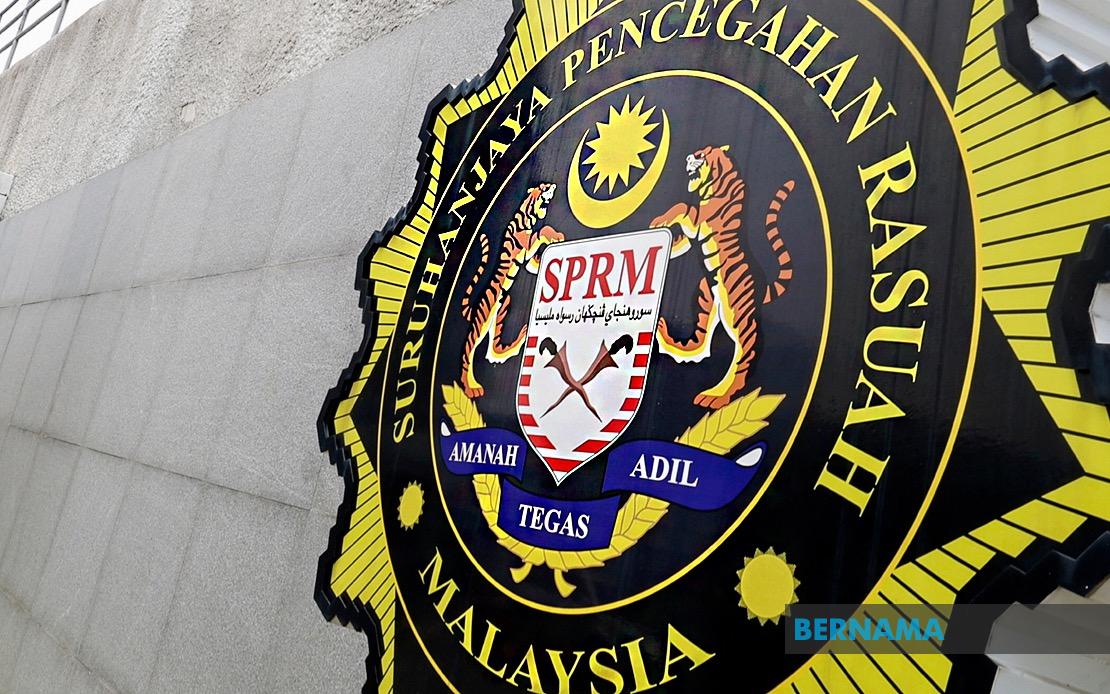
The Malaysian Anti-Corruption Commission has achieved a significant milestone in its pursuit of international standards by becoming a finalist in four separate categories at the ICA Compliance Awards APAC 2026, demonstrating growing global recognition of Malaysia's institutional efforts to combat corruption and strengthen governance across the region.
In its first-ever participation at the competition, organised by the International Compliance Association, the MACC secured nominations spanning both individual and organisational honour categories. The commission's Investigation Division Branch C head, Mohd Shukri Mohd Said, advanced to the final stage of the Compliance Leader of the Year category, while his colleague Mohammad Nazree Mansor made the shortlist for the Rising Star Award. These individual recognitions underscore the calibre of professionals within the institution who are driving forward Malaysia's anti-corruption mission.
Beyond personal accolades, the MACC also earned finalist status in two team-based categories: Compliance Team of the Year and Small Compliance Team of the Year, which recognises units with fewer than seven members. This dual organisational representation suggests that excellence in the commission's anti-corruption work extends across multiple divisions and operational scales, from specialised small units to larger collaborative teams. Such breadth of recognition indicates systemic strength rather than isolated achievement.
Mohd Hafaz Nazar, the MACC's Investigation Division senior director, characterised these nominations as validation of the institution's sustained dedication to integrity, compliance, governance and corruption prevention. Speaking in an official statement, he framed the achievement as evidence that the MACC's internal standards and operational practices align with international benchmarks. For a regulatory body operating in the Southeast Asian context, where corruption remains a structural challenge across multiple sectors, such external validation carries symbolic and practical weight.
The director expressed optimism that this recognition would galvanise the commission towards continued improvement at both domestic and regional levels. His remarks suggest that MACC leadership views international competition and peer recognition as motivational mechanisms to drive institutional evolution. This perspective reflects a broader trend among leading Asian anti-corruption agencies to benchmark themselves against global standards rather than remaining insulated within national frameworks.
Mohd Shukri himself emphasised the honour accompanying his individual nomination, describing it as reflective of the MACC's institutional commitment to advancing integrity and good governance across Malaysia's public sector. He positioned the recognition not merely as personal achievement but as testament to the collective professionalism demonstrated by the commission's officers in executing the nation's anti-corruption agenda. This framing connects individual excellence to broader institutional purpose, a critical narrative for public agencies seeking to maintain operational credibility and public confidence.
For Mohammad Nazree, the Rising Star Award nomination represents acknowledgment of emerging talent within Malaysia's anti-corruption establishment. His inclusion in this category suggests that the MACC has developed internal talent management practices capable of identifying and nurturing promising professionals early in their careers. This developmental dimension is particularly significant for institutional sustainability, as it demonstrates capacity to create career progression pathways that retain capable officers and encourage their continued professional growth.
The International Compliance Association itself operates as a significant standard-setter across the Asia-Pacific region, having trained more than 160,000 practitioners globally since its establishment in 2001 through internationally recognised programmes and professional qualifications. This institutional heritage lends weight to the ICA awards as meaningful markers of compliance excellence. For emerging economies and developing institutional frameworks in Southeast Asia, endorsement from such established bodies carries genuine credibility in advocating for stronger governance practices.
The ICA Compliance Awards APAC programme operates as a comprehensive recognition mechanism spanning excellence, innovation, collaboration and best practices across the broader compliance, integrity, governance and financial crime prevention landscape. This expansive scope means that award recognition encompasses not only technical competence in anti-corruption work but also institutional capacity for innovation and cross-sector collaboration—capabilities increasingly essential as financial crime and corruption schemes become more sophisticated and transnational in nature.
For Malaysian governance observers, the MACC's strong showing in a debut appearance carries particular significance in a regional context where anti-corruption commitments often face questions regarding genuine institutional independence and operational effectiveness. The four finalist nominations provide independent, external validation of the commission's functional capacity and professional standards. This matters especially for international investors, development partners and civil society organisations evaluating Malaysia's governance trajectory.
The announcement comes at a juncture when Malaysia and other Southeast Asian states face intensifying pressure to demonstrate concrete progress against corruption amid rising awareness of how graft undermines development outcomes, investor confidence and social cohesion. The MACC's international recognition contributes to a narrative that Malaysia's anti-corruption infrastructure is improving and becoming increasingly sophisticated. Whether this translates into measurable reduction in actual corruption incidents remains a separate question, but institutional credibility and international peer recognition form necessary preconditions for sustained reform efforts.
Results from the ICA Compliance Awards APAC 2026 will be announced during a virtual awards ceremony scheduled for July 21. The online format reflects evolving practices in international professional recognition, enabling broader participation across the Asia-Pacific region without geographical constraints. For the MACC, regardless of whether these finalist nominations convert into awards, the competition itself has served to elevate the commission's standing among regional and international compliance professionals and signalled Malaysia's commitment to maintaining competitive standards in governance and anti-corruption practice.

