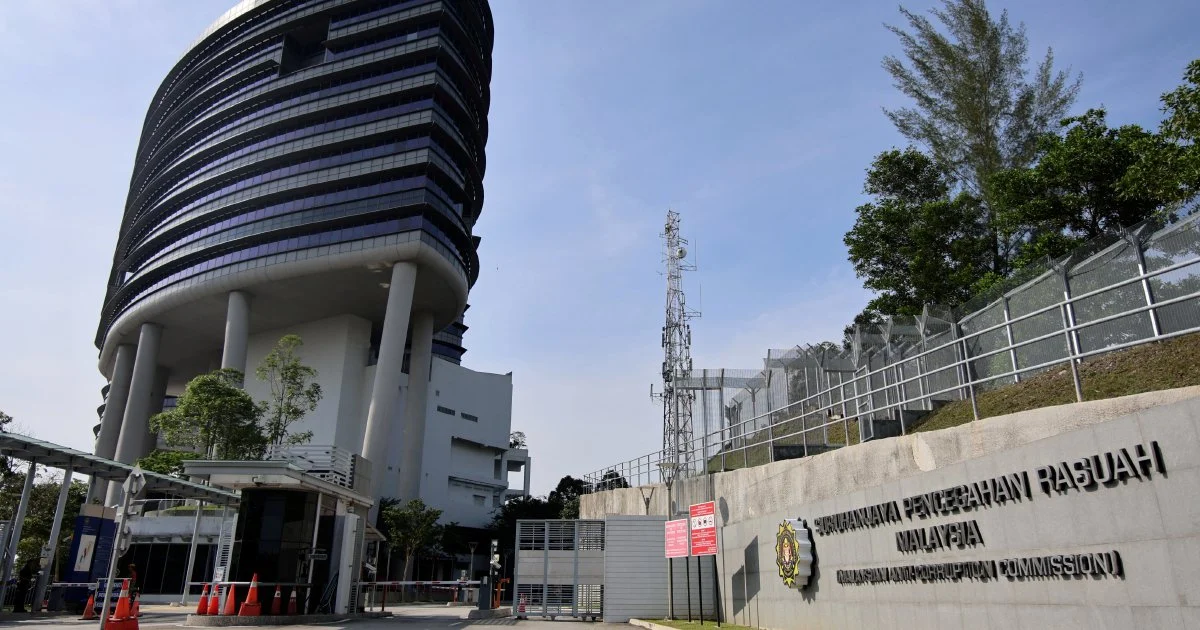
The Malaysian Anti-Corruption Commission has issued a directive requiring its entire workforce to refresh their asset declarations within the next month, marking a significant step in reinforcing institutional safeguards against misconduct within the agency itself. The move underscores growing emphasis on ensuring that those tasked with investigating corruption maintain exemplary standards of transparency and accountability in their own financial affairs and holdings.
This initiative reflects a broader recognition that the credibility of any anti-corruption body hinges substantially on the integrity of its own personnel. When enforcement agencies responsible for rooting out graft among public officials and politicians maintain rigorous disclosure practices, they strengthen public confidence in their mission. The directive applies uniformly across all MACC ranks and departments, establishing a level playing field for compliance regardless of seniority or posting.
Asset declarations serve as a foundational transparency mechanism, requiring officials to disclose the value and nature of their property, investments, bank accounts, and other financial interests. These records enable authorities to track wealth accumulation that may appear disproportionate to declared income, a crucial investigative tool in identifying potential corruption. By mandating updated declarations, MACC ensures its internal records reflect current circumstances rather than outdated snapshots that could mask problematic financial changes.
The one-month timeframe for completion is deliberately compressed, creating urgency while remaining realistic for busy operational staff. This compressed schedule signals institutional commitment rather than a routine administrative exercise. For MACC personnel, the directive carries particular weight—they are frontline enforcers against corruption across Malaysia's public and private sectors, and their credibility depends on demonstrable adherence to the same standards they enforce against others.
Regionally, Malaysia's approach aligns with emerging best practices among Southeast Asian anti-corruption agencies, many of which have strengthened internal compliance frameworks in response to public scrutiny. Thailand's National Anti-Corruption Commission, Indonesia's Corruption Eradication Commission, and the Philippines' Ombudsman office have similarly implemented periodic declaration refreshes to maintain institutional trust. These coordinated regional approaches reflect recognition that corruption-fighting bodies must lead by example.
For Malaysian businesses and international investors monitoring governance standards, MACC's proactive stance offers reassurance. Companies operating in Malaysia assess the strength of anti-corruption enforcement when making investment decisions. A visibly robust internal control regime at the nation's premier anti-graft agency signals serious institutional commitment to fighting corruption, potentially enhancing Malaysia's reputation within global governance rankings and compliance frameworks.
The directive also carries implications for MACC's ongoing operations and investigations. Enhanced transparency among personnel strengthens the agency's position when prosecuting high-profile corruption cases. Defence counsel in such trials frequently scrutinise the conduct of investigating officers, and demonstrated institutional integrity makes MACC's evidence and testimony less vulnerable to character-based challenges that could undermine prosecutions.
Implementation of this directive will likely involve digital platforms enabling staff to efficiently update their declarations. Modern anti-corruption agencies increasingly adopt technology solutions that streamline compliance while maintaining security and confidentiality of sensitive personal financial information. Such systems can flag anomalies automatically, alerting management to declarations requiring clarification before formal acceptance.
Non-compliance with the asset declaration directive would likely trigger disciplinary procedures, underscoring that this is mandatory rather than voluntary. MACC personnel understand that failure to participate in institutional integrity programs carries career consequences, creating strong incentives for thorough and honest completion. This enforcement dimension distinguishes genuine integrity initiatives from performative exercises that generate paperwork without meaningful accountability.
The timing of this directive reflects ongoing conversations within Malaysian governance circles about strengthening institutional resilience and public trust. Recent years have witnessed increased scrutiny of executive accountability and official conduct, making visible anti-corruption agency compliance particularly politically significant. By proactively demonstrating internal discipline, MACC positions itself as an institution taking public expectations seriously.
For individual MACC officers, the declaration process offers a moment for personal financial reflection. The discipline of comprehensively disclosing assets and their sources can reinforce awareness of potential ethical boundaries and conflicts of interest. This introspective dimension complements the external accountability function, cultivating a culture where financial transparency becomes embedded in institutional identity.
Looking forward, this initiative may influence other Malaysian public agencies to refresh their own personnel disclosure practices. Government-linked companies, regulatory bodies, and law enforcement agencies increasingly recognise that transparency mechanisms strengthen institutional legitimacy. MACC's proactive approach potentially sets a precedent that spreads across Malaysia's public sector, incrementally raising baseline governance standards across the civil service.

