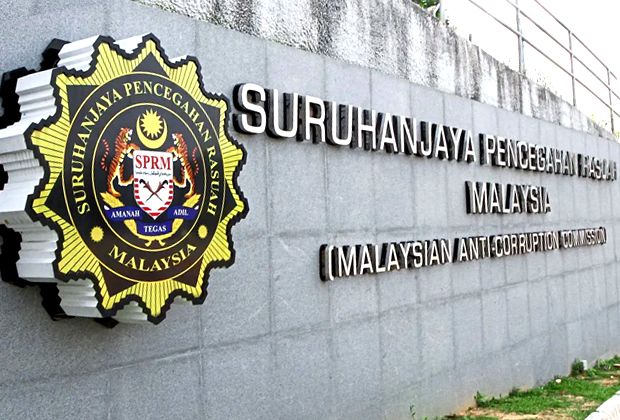
The Malaysian Anti-Corruption Commission (MACC) has formally withdrawn seizure orders that had frozen the bank accounts of Rohas Tecnic's subsidiary HGPT and the personal accounts of its management team, clearing the way for the power transmission and telecommunications infrastructure company to resume unrestricted financial operations. The revocation marks a significant development for the publicly listed firm, which manufactures transmission towers and related equipment serving Malaysia's telecommunications sector.
The lifting of restrictions applies comprehensively to all bank accounts previously subject to freezing under Section 50(1) of the Anti-Money Laundering, Anti-Terrorism Financing and Proceeds of Unlawful Activities Act 2001 (AMLA). This includes both corporate accounts held by HGPT and the personal banking facilities of its current and former officers, according to an announcement filed by the company with Bursa Malaysia. The revocation essentially restores full access to financial resources that had been constrained during the investigation period.
Rowas Tecnic's operational capacity had faced significant impediment since October 2025, when the company and its subsidiaries—including HGPT and Rohas-Euco Industries Bhd (REI)—received initial freezing and seizure orders from the MACC. Those orders had been issued under both Section 44(1) and Section 50(1) of AMLA and affected multiple bank accounts held across the corporate group. The sudden financial restrictions had threatened the firm's ability to meet day-to-day operational expenses, pay suppliers, and service existing contracts for its customers in the telecommunications infrastructure sector.
The revocation process occurred in phases. On November 26, 2025, both Rohas Tecnic and HGPT received formal revocation orders issued by the Deputy Public Prosecutor under Section 50(1) of AMLA. This action followed a separate revocation granted to REI one day earlier, which had been issued by the MACC itself pursuant to Section 44A of AMLA. The staged lifting of restrictions suggests a methodical legal process in which different entities' accounts were reviewed and cleared independently as investigations were concluded or evidence assessed.
The implications for the company are substantial. With banking facilities now fully operational, Rohas Tecnic can resume normal procurement activities, pay employee salaries without delay, and fulfil contractual obligations to telecommunications providers and construction firms. For a publicly listed company, the removal of MACC restrictions also signals regulatory clearance to capital markets participants, which may ease investor concerns that had accumulated during the investigation period. Share price volatility often accompanies such enforcement actions, making the revocation potentially positive for market sentiment.
Rohas Tecnic operates within Malaysia's critical infrastructure sector, providing essential components for the country's telecommunications network expansion. The company supplies power transmission towers and related equipment to major telecom operators and infrastructure developers. The temporary account freezing had posed risks not only to the company's internal operations but also to broader infrastructure development timelines, as delayed payments to contractors could cascade across project schedules. The restoration of normal banking therefore has implications beyond the single corporate entity.
The use of AMLA provisions for account seizure reflects authorities' broad powers to investigate suspected money laundering and proceeds of unlawful activity. The MACC's decision to revoke these orders indicates that investigation findings did not sustain the initial grounds for restriction, or that sufficient time had passed to permit normal business activities to resume without compromising the integrity of inquiries. The Deputy Public Prosecutor's involvement in issuing the revocation underscores the legal complexity of such matters, requiring coordination between the anti-corruption agency and the public prosecution service.
For Malaysian investors and stakeholders in the telecommunications infrastructure supply chain, this development removes a significant cloud of uncertainty. Rohas Tecnic can now focus on executing existing contracts, bidding on new infrastructure projects, and potentially repairing client relationships that may have been strained during the restriction period. The company's statement emphasizing resumption of "normal operation of its banking facilities and business activities" represents an explicit signal of operational normalcy.
The case underscores the substantive impact of anti-money laundering enforcement on private enterprise operations in Malaysia. While such measures serve vital purposes in detecting financial crime and combating illicit flows, the process can substantially burden legitimate businesses. The revocation process here demonstrates that Malaysian legal frameworks do provide mechanisms for lifting restrictions once investigations progress, though the initial impact period can extend for weeks or months, creating operational stress for affected companies and their supply chain partners.

