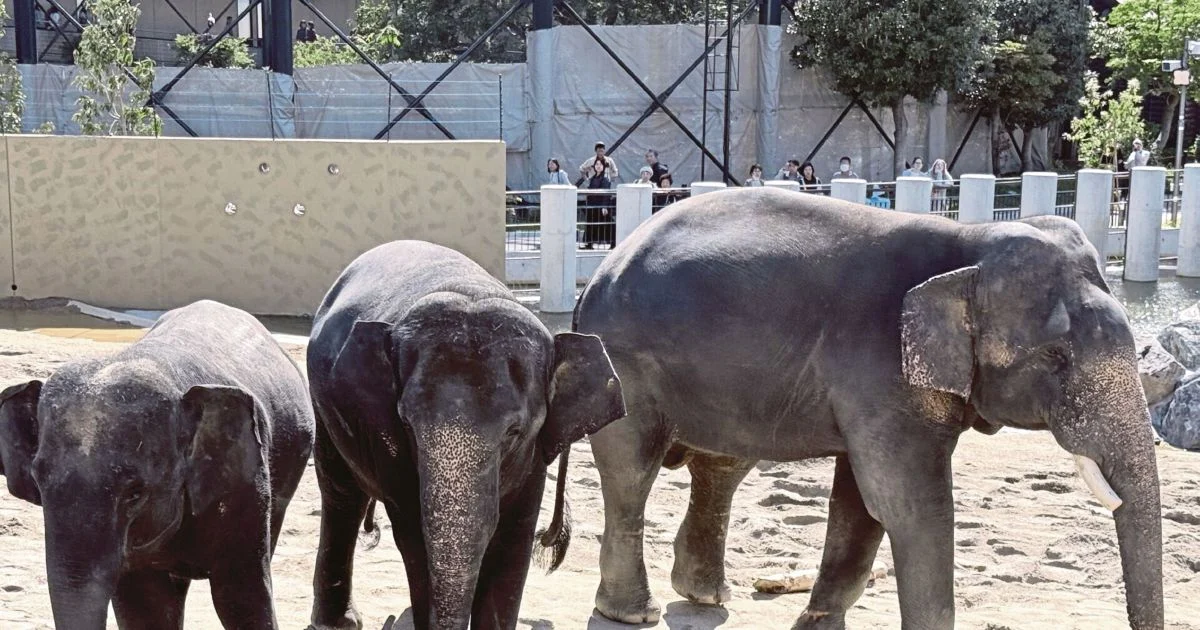
The Malaysian Anti-Corruption Commission has initiated a formal investigation into the transfer of three Asian elephants that were relocated from Zoo Taiping to Tennoji Zoo in Osaka, Japan, marking a significant development in a matter that has drawn public scrutiny over the past months.
The probe signals growing concerns about how such high-profile decisions involving the nation's wildlife assets are made and executed. Zoo Taiping, located in Perak and operated by the Perak State Parks Corporation, has long been one of Malaysia's premier zoological institutions. The facility houses a substantial collection of animals and serves as both a tourist attraction and a centre for wildlife conservation efforts. The movement of the three elephants represents one of the more notable international transfers of the zoo's residents in recent years, making the circumstances surrounding the transfer worthy of detailed examination.
While the basic facts of the relocation appear straightforward on the surface—three Asian elephants moved from a Malaysian facility to a Japanese counterpart—the MACC's decision to investigate suggests underlying questions about the decision-making process. Such international animal transfers typically involve complex negotiations, documentation, and compliance with various regulatory frameworks governing the movement of endangered species. Malaysia is a signatory to CITES (Convention on International Trade in Endangered Species of Wild Fauna and Flora), which means any movement of protected species must align with stringent international standards.
The timing of MACC's intervention reflects broader public interest in how Malaysia's public institutions manage valuable assets and make consequential decisions. In recent years, Malaysian society has become increasingly vigilant about transparency in government operations, particularly when such decisions involve valued national resources. The fact that the elephants were transferred overseas rather than potentially remaining within Malaysian conservation efforts has sparked debate about whether such decisions serve Malaysia's long-term interests in wildlife preservation and scientific advancement.
Tennoji Zoo, the destination facility in Osaka, is a well-established zoological institution in Japan. The arrangement presumably involved discussions about the elephants' welfare, breeding programmes, and potential scientific collaboration between the institutions. However, the involvement of the MACC suggests that investigators may be examining whether all stakeholders followed proper procedures, whether appropriate approvals were obtained at all necessary levels, and whether the decision-making process adhered to established protocols for managing state-owned assets.
For Malaysian readers, this investigation touches on several important governance principles. The country has been gradually strengthening anti-corruption mechanisms, and the MACC's proactive approach in scrutinising high-profile institutional decisions demonstrates how corruption prevention extends beyond financial transactions to encompassing proper procedural adherence in all government operations. The transfer of valuable animals constitutes a significant matter of public interest deserving appropriate oversight.
The inquiry also illuminates the intersection between wildlife management and administrative accountability in Malaysia. Zoo Taiping operates under state government purview, and such transfers require coordination across multiple administrative levels. Questions may centre on whether budgetary considerations, maintenance costs, or other financial factors influenced the decision, or whether the move was genuinely driven by conservation and scientific merit. Proper documentation and justification for such transfers are essential components of good governance.
From a regional perspective, this investigation reflects a broader Southeast Asian trend toward greater scrutiny of how public institutions manage their operations. Countries across the region are increasingly emphasizing transparency and accountability in decision-making processes, particularly those affecting valuable national resources. The MACC's action aligns with international best practices in ensuring that public asset management meets rigorous standards.
The welfare of the three elephants themselves remains an important consideration throughout any investigation. Asian elephants are highly intelligent, socially complex animals whose relocation involves significant logistical, health, and psychological dimensions. Whether the transfer ultimately served the animals' wellbeing while simultaneously meeting institutional needs and regulatory requirements will likely form part of the MACC's examination.
Animal welfare advocates have previously expressed concerns about international transfers of captive elephants, particularly regarding adaptation to new environments, social dynamics, and long-term health outcomes. Any investigation into Zoo Taiping's transfer should encompass these dimensions alongside administrative and procedural compliance questions.
The investigation underscores Malaysia's commitment to ensuring that even decisions involving specialized areas like wildlife management receive appropriate oversight and adherence to established rules. As the MACC pursues its inquiry, the process will likely yield insights into how Malaysian public institutions approach comparable future decisions regarding their collections, resources, and international partnerships.
For Zoo Taiping and the Perak State Parks Corporation, cooperating fully with the MACC investigation represents an opportunity to demonstrate institutional integrity and strengthen public confidence in management practices. The transparency demonstrated throughout the investigation process may ultimately enhance the zoo's reputation and position within Malaysia's conservation landscape.

