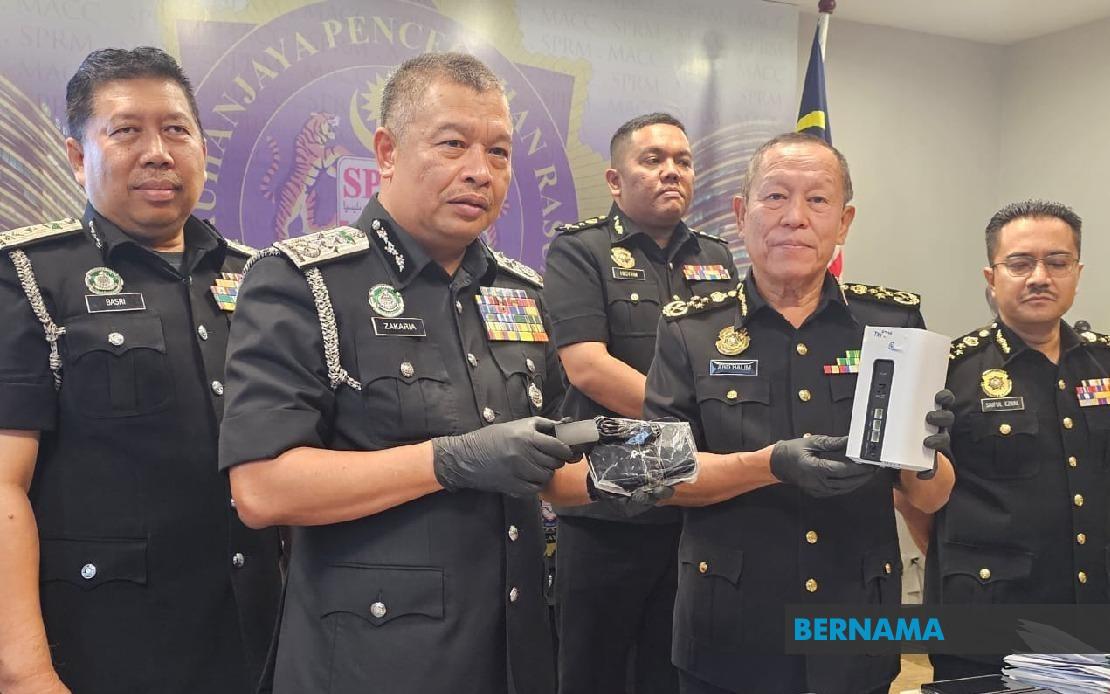
The Malaysian Anti-Corruption Commission has begun its formal investigation into governance failures at Tabung Haji, with eight officers conducting an initial inspection of the Islamic pilgrimage fund's headquarters in Putrajaya on Wednesday morning. The deployment follows Prime Minister Datuk Seri Anwar Ibrahim's explicit direction to enforcement agencies to pursue appropriate action in response to the Royal Commission of Inquiry report, which was released to the public earlier this week and documented systemic misconduct spanning nearly a decade.
MACC chief commissioner Datuk Seri Abd Halim Aman confirmed the investigation's commencement during a press briefing at the commission's headquarters, providing details on the operational approach being adopted. The immediate priority for investigators involves locating and cataloguing documentation referenced in the RCI findings while simultaneously identifying material relevant to potential criminal offences within MACC's jurisdiction. This dual-track approach reflects the complexity of the task ahead, requiring teams to cross-reference the inquiry's conclusions with potential breaches of anti-corruption and financial crime legislation.
The investigation encompasses multiple legal frameworks beyond simple corruption charges. MACC's special investigation team, headed by Investigation Division senior director Datuk Mohd Hafaz Nazar, has been instructed to examine potential breaches involving embezzlement, document forgery, abuse of official position, and money laundering activities. These broader categorisations suggest investigators anticipate uncovering a network of interconnected offences rather than isolated incidents, a suspicion supported by the RCI's identification of what it termed suspicious transactions and deliberate concealment of information within the fund's operations.
When asked whether all TH leadership—including individuals no longer in management positions—would face questioning, Abd Halim indicated that anyone identified through the investigative process would be compelled to provide statements. This signals an intention to pursue accountability across the entire chain of command, not merely current office holders. The commission's approach reflects recognition that responsibility for governance failures often extends beyond those presently occupying positions of authority, particularly in cases involving long-standing institutional dysfunction.
A particularly significant aspect of the MACC investigation is its temporal scope. Rather than focusing narrowly on a specific period, investigators will be guided by the RCI's own findings and recommendations, potentially allowing them to pursue matters beyond the inquiry's 2014-to-2020 examination window. This flexibility permits the commission to follow investigative threads wherever they lead, ensuring that patterns of misconduct or individuals implicated across multiple time periods cannot escape scrutiny through technicalities related to temporal jurisdiction.
The RCI's own recommendations provide the investigative roadmap for MACC's work ahead. Among its principal findings was a call for forensic audits to examine how investment decisions were made that resulted in substantial deterioration of TH's asset base. These problematic investment choices, documented in detail within the inquiry report, suggest either gross incompetence or deliberate actions designed to benefit connected parties at the expense of the fund's contributors—primarily Malaysian Muslims saving for pilgrimage purposes. The forensic examination will likely reveal whether poor judgment or intentional misconduct characterised decision-making processes.
The scale of TH's difficulties cannot be overstated within Malaysia's context. As the primary savings vehicle for millions of Muslim Malaysians planning to undertake the hajj pilgrimage, the fund operates at the intersection of religious obligation and financial stewardship. Revelations of mismanagement have profound implications not merely for individual contributors but for public confidence in Islamic financial institutions more broadly. The MACC investigation therefore carries symbolic weight alongside its criminal justice significance, as successful prosecution of wrongdoers may help restore trust in institutions managing religiously significant assets.
The mobilisation of resources for this investigation underscores the government's stated commitment to combating corruption at institutional level. Under the previous administration, TH's difficulties were often downplayed or addressed through internal remediation attempts that manifestly failed to prevent continued deterioration. The current government's willingness to authorize a Royal Commission of Inquiry and subsequently direct MACC enforcement action represents a shift toward transparency and accountability, though observers will scrutinize whether investigations proceed impartially regardless of the political affiliations of implicated individuals.
MACC's task extends beyond mere fact-finding. The commission must build prosecutable cases meeting evidentiary standards required for conviction in Malaysian courts. Documents seized from TH's offices will be subjected to detailed forensic analysis, while witness statements will be cross-checked against physical evidence and financial records. The investigation's success ultimately depends on establishing clear chains of causality between individual decisions and financial harm, proving mens rea (criminal intent) rather than merely demonstrating negligence or poor governance.
The investigation also occurs within the broader Southeast Asian context of financial crime and corruption. Malaysia, as a major regional financial centre, maintains reputational stakes in demonstrating effective enforcement mechanisms against white-collar misconduct. International investors and partner nations assess the reliability of Malaysia's institutional frameworks partly through observation of how authorities handle high-profile cases involving substantial sums and institutional complexity. A thorough, transparent investigation into TH serves Malaysia's interests in maintaining confidence in its financial and governance systems.
Looking ahead, the timeline for investigation completion remains unclear. Given the scope of documentation requiring review and the number of individuals likely requiring interview, a protracted process appears probable. However, transparency regarding investigative progress will be crucial for maintaining public confidence. Regular updates from MACC, while protecting ongoing investigative integrity, would help demonstrate that the process is not becoming mired in bureaucratic delay or political considerations.
The RCI's work, though now complete, provides only a foundation for criminal investigation. MACC must now translate the inquiry's findings into evidence capable of withstanding judicial scrutiny. This next phase will determine whether systematic failings at TH result in criminal consequences for those responsible or whether the investigation becomes another example of inquiries that document misconduct without delivering accountability. For millions of TH contributors whose savings have been diminished, the answer matters profoundly.

