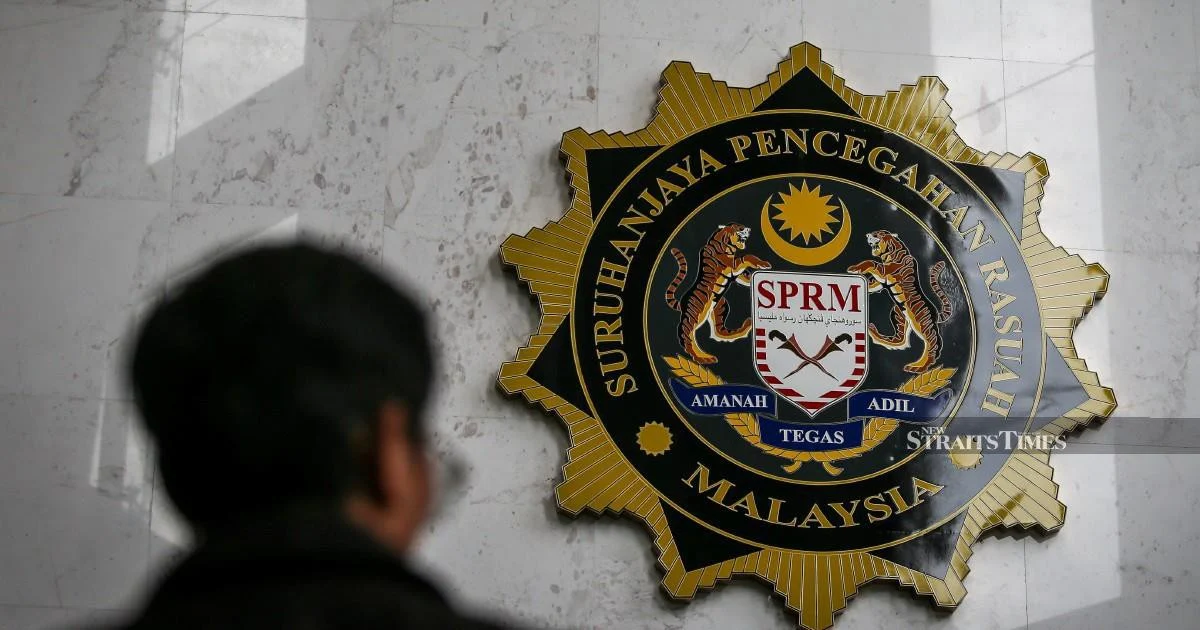
The Malaysian Anti-Corruption Commission will deploy five dedicated operation centres across Johor to maintain vigilant oversight of the 16th state election, creating multiple channels through which voters and observers can immediately flag suspected graft and misuse of governmental authority. The decision to establish these round-the-clock units reflects growing institutional recognition that election periods present particular vulnerability to corrupt practices, requiring proactive institutional positioning rather than reactive investigation after voting concludes.
This operational expansion represents a significant departure from traditional anti-corruption approaches in Malaysian electoral contests. By positioning personnel and infrastructure strategically throughout the state before campaigning intensifies, the commission signals commitment to real-time detection and intervention rather than post-election accountability measures that often struggle to prevent damage already inflicted on democratic processes. The five-centre arrangement ensures geographical accessibility for residents across Johor's diverse terrain, from urban concentrations in Johor Baru to more dispersed communities in peripheral districts.
The timing of this deployment carries particular significance given Johor's historical importance within Malaysian politics and economics. As Malaysia's southernmost state and home to significant industrial and commercial infrastructure, Johor elections frequently feature intense competition among major political factions vying for control of substantial state resources and appointment authority. Enhanced anti-corruption infrastructure during such contests serves both immediate preventive purposes and broader institutional strengthening, demonstrating that electoral integrity concerns transcend individual election cycles.
Public accessibility represents a cornerstone of this enforcement strategy. By encouraging direct reporting from citizens, the commission acknowledges that voters and community members often witness suspicious activities unreported through conventional channels. The establishment of dedicated reception facilities staffed throughout election periods creates legitimised reporting mechanisms that may encourage disclosure from individuals previously reluctant to engage with anti-corruption authorities. This approach recognises that electoral corruption frequently involves subtle arrangements and gradual accumulation of improper transactions rather than dramatic single violations.
The operational centres will presumably concentrate on monitoring common electoral irregularities including illegal vote-buying, improper inducements offered to voters or officials, abuse of government machinery for campaign purposes, and misallocation of public resources toward partisan advantage. Election seasons universally present temptations for political actors to bend ethical boundaries, particularly in competitive contests where victory margins may prove narrow. Real-time monitoring capabilities enable intervention before potentially corrupt practices proliferate throughout constituencies.
Malaysian readers observing this development should recognise both the institutional effort involved and the practical limitations inherent in any anti-corruption strategy. The commission's willingness to commit substantial human and material resources to Johor's election reflects bureaucratic capacity expansion, yet simultaneous resource constraints affecting investigations elsewhere necessarily accompany such focused deployments. The five-centre model represents compromise between comprehensive coverage aspirations and realistic operational boundaries.
For Southeast Asian observers monitoring democratic institutional development, Malaysia's approach demonstrates growing acceptance that election-period corruption requires specialized enforcement attention. Regional democracies have increasingly recognised that general anti-corruption mechanisms struggle with election-specific vulnerabilities, particularly voter intimidation and resource-capture dynamics. The MACC's proactive stance reflects this regional evolution toward tailored institutional responses addressing specific democratic vulnerabilities.
The operation centres will presumably coordinate with other election oversight bodies including the Election Commission, creating interlocking accountability mechanisms. However, effective coordination between separate agencies requires advance planning and clearly demarcated authority boundaries. Observers should monitor whether these five units operate with genuine independence or become constrained by competing institutional priorities and political sensitivities that sometimes compromise investigation into electoral irregularities involving powerful actors.
This initiative also carries implications for voter confidence and electoral legitimacy. When citizens observe visible anti-corruption infrastructure positioned throughout their constituencies, psychological effects may discourage certain corrupt overtures even if the centres lack capacity to investigate every allegation. Conversely, if operation centres prove ineffective in addressing reported concerns, public disillusionment may intensify scepticism about institutional sincerity and capacity.
The resource intensity required to maintain five operation centres throughout an election period underscores broader questions about anti-corruption funding and institutional prioritisation within Malaysia's governance apparatus. While Johor receives this focused attention, other states and constituencies may experience reduced oversight capacity, raising fairness questions about whether anti-corruption efforts concentrate disproportionately on particular regions.
Moving forward, effectiveness assessment should extend beyond quantitative metrics such as complaint numbers received toward qualitative evaluation of whether reported allegations result in meaningful investigation and proportionate enforcement action. The true measure of institutional commitment manifests through willingness to pursue investigations impartially regardless of the political affiliation or status of accused individuals.
The MACC's five-centre deployment represents constructive institutional response to recognisable election-period vulnerabilities, grounded in reasonable assumption that accessible reporting mechanisms will improve corruption detection. Success ultimately depends on whether the commission combines investigative capacity with political independence necessary to pursue findings wherever they lead, transforming reported allegations into meaningful accountability.
Civil society organisations and international election observers monitoring Johor's contest will likely scrutinise whether these operation centres function as genuine corruption-fighting mechanisms or primarily serve symbolic purposes. The operational reality will reveal much about Malaysia's contemporary commitment to electoral integrity and institutional accountability during high-stakes political competition.

