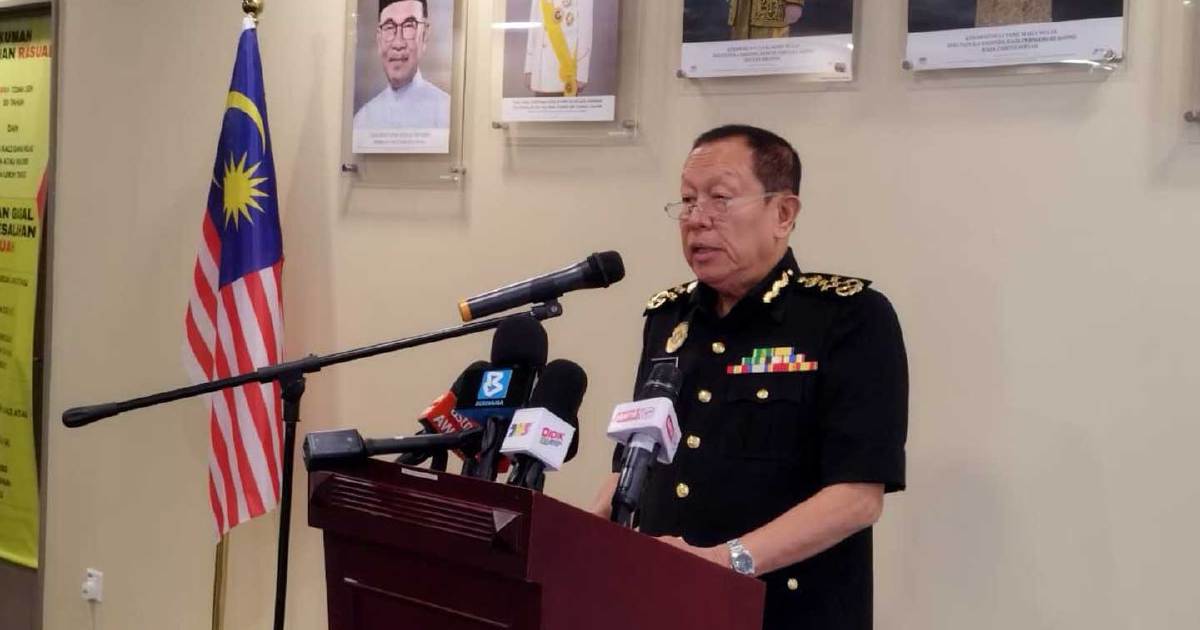
The Malaysian Anti-Corruption Commission announced in Kuching that it has finalised its probe into three matters that emerged from the Royal Commission of Inquiry report examining Tabung Haji, with initial recommendations now submitted regarding potential prosecutions and cases where investigations will be discontinued.
Tabung Haji, the pilgrimage fund and financial institution serving Malaysia's Muslim population, has faced intense scrutiny following the RCI's comprehensive examination of its operations and governance. The inquiry identified six distinct areas of concern requiring further investigative attention from MACC, signalling serious questions about the management of assets belonging to millions of Malaysian depositors whose savings are held within the institution.
The completion of these initial three investigations represents a significant milestone in the accountability process, though the process remains incomplete with three additional matters still under active review. The recommendations for charges indicate that investigators found sufficient evidence to suggest legal action may be warranted in certain cases, a development that could potentially lead to court proceedings and potential penalties for those implicated in any wrongdoing.
For Malaysian readers, this development carries particular importance given Tabung Haji's role as a trusted repository for hajj savings and a provider of financial services to Muslim Malaysians. The fund manages billions of ringgit in deposits and has faced public concern over its operational transparency and decision-making processes. Any corruption findings would directly affect millions of ordinary citizens who depend on the institution for their pilgrimage aspirations and investment returns.
The recommendations for no further action in certain cases suggest that investigators determined insufficient evidence existed to pursue prosecutions in those particular matters, though the basis for these NFA decisions and the reasons why certain issues did not meet the threshold for charging remain significant considerations for public confidence in the process.
The phased completion of these investigations demonstrates the complexity inherent in examining a large financial institution with multiple operational arms and historical decision-making layers. The MACC's methodical approach, while taking considerable time, reflects the thoroughness required when potential financial mismanagement at this scale is involved.
The remaining three issues from the original RCI report continue under investigation, suggesting that a complete picture of accountability may not emerge for several more months. This extended timeline means uncertainty persists around Tabung Haji's governance landscape and whether additional charges may be forthcoming as remaining inquiries conclude.
For the broader financial sector in Malaysia and Southeast Asia, these investigations underscore the regulatory environment's increasing focus on institutional accountability and anti-corruption enforcement. Financial bodies managing public or community funds face heightened scrutiny, particularly when governance concerns have been formally documented through official inquiries.
The political and administrative implications for Tabung Haji's leadership are substantial. Depending on the nature and seniority of those facing charges, the institution may face significant leadership transitions and the need for structural reforms to restore public confidence and prevent future governance failings.
Regional financial institutions and regulators will monitor how these cases progress through Malaysia's legal system, as the outcomes may establish precedents for investigating and prosecuting financial crimes within large institutional frameworks across Southeast Asia.
The MACC's work on Tabung Haji forms part of a broader anti-corruption agenda affecting Malaysian public institutions. Success or limitations in these particular cases may influence public perception of the commission's effectiveness and independence in handling sensitive matters involving major national institutions.
For depositors and individuals relying on Tabung Haji's services, these investigations provide a measure of accountability and oversight, though the slow progression through various investigative stages highlights the extended periods during which governance concerns remain unresolved. The ultimate resolution of these matters through either successful prosecutions or definitive closure will be closely watched by both the Muslim community and broader Malaysian society, as Tabung Haji's reputation and functionality directly impact millions of citizens' financial and religious aspirations.

