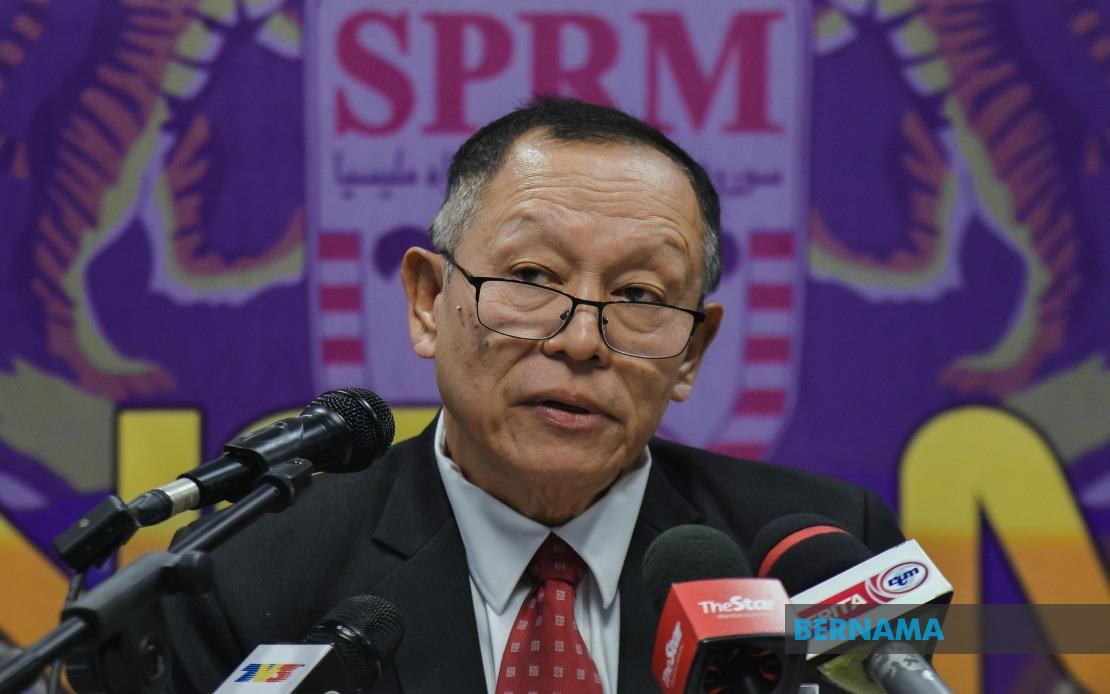
The Malaysian Anti-Corruption Commission (MACC) has wrapped up a comprehensive four-day questioning session with a former chief financial officer connected to a major statutory body, marking a significant milestone in its investigation into financial improprieties at Lembaga Tabung Haji. MACC chief commissioner Datuk Seri Abd Halim Aman disclosed that the final interview concluded on Wednesday evening, bringing to a close an intensive examination of the 60-year-old executive's involvement in contentious share transactions. The completion of this extended interrogation suggests the anti-graft agency is moving towards a clearer understanding of how decisions were made regarding the controversial investments that have drawn public scrutiny and political concern.
At the heart of the MACC's investigation lies an alleged misuse of authority in facilitating the purchase of shares in two plantation companies, a transaction valued at approximately RM370 million according to findings from the Royal Commission of Inquiry into Lembaga Tabung Haji's operations. The RCI report, which prompted the MACC's current enforcement action, had raised serious questions about governance failures and potential conflicts of interest within the pilgrim fund's investment decision-making apparatus. By focusing on the former CFO's role in orchestrating or approving this acquisition, investigators are attempting to establish whether proper procedures were circumvented or whether personal interests influenced corporate judgement.
The four-day interrogation schedule, extending from morning sessions at 9 am through to evening hours ending at 6:30 pm, indicates the depth and complexity of matters under examination. Such protracted questioning typically reflects the need to clarify multiple transactions, trace decision-making chains, and establish timelines of communications between key figures involved in the share purchase. The intensity of this questioning also suggests the MACC may be attempting to identify whether the former CFO was acting independently or under instructions from senior leadership, a distinction that could significantly impact culpability determinations.
The former CFO and the company's previous chief executive officer both presented themselves voluntarily at MACC headquarters on Tuesday to provide statements, a gesture that may or may not indicate cooperation with investigators. The voluntary nature of their appearance distinguishes this approach from forced detention, though sources indicate both individuals remained under custody during the interrogation period. This procedural detail carries implications for how their testimony might be viewed by prosecutors and courts, as voluntary cooperation can sometimes influence charging decisions in corruption cases.
Tabung Haji, officially known as Lembaga Tabung Haji, serves as Malaysia's pilgrim investment fund, holding substantial assets on behalf of millions of Muslim pilgrims who contribute to hajj savings accounts. The fund's reputation for sound stewardship has been historically central to its legitimacy and public trust, making any suggestion of mismanagement particularly damaging to national interests and investor confidence. The RCI's investigation and subsequent MACC probe reflect official recognition that governance frameworks may have failed to prevent questionable decision-making at the highest levels.
The RM370 million share acquisition into plantation companies warrants particular scrutiny given the fund's primary mandate and fiduciary responsibilities. Questions naturally arise regarding how an institution focused on managing pilgrimage savings and promoting Islamic finance principles justified such a substantial investment in plantation equity. The RCI's decision to flag this transaction as potentially improper suggests either procedural irregularities or substantive concerns about asset valuation, return expectations, or conflicts of interest among decision-makers.
Investigations of this magnitude typically involve corroborating documentation, examining email correspondence, reviewing board meeting minutes, and cross-referencing statements from multiple witnesses occupying different organisational levels. The MACC's approach suggests investigators are building a comprehensive narrative that establishes not merely what happened, but how and why decisions were reached. For Malaysian readers, this methodical approach offers some reassurance that enforcement agencies are taking white-collar misconduct seriously, though public patience with investigation timelines remains limited.
The implications for corporate governance across Malaysia's statutory bodies extend beyond Tabung Haji itself. This probe serves as a potent reminder that even well-established institutions with professional management structures can fall victim to poor oversight, inadequate board independence, or inadequate internal compliance mechanisms. Other government-linked companies and pension funds may face increased scrutiny from regulators and public interest groups, potentially leading to tightened governance requirements across the sector.
Regionally, Malaysia's handling of such investigations carries significance for the country's standing on corruption and anti-graft efforts. Southeast Asian observers monitoring Malaysia's enforcement consistency may view the MACC's persistence in the Tabung Haji matter as evidence of institutional independence, or conversely, may question whether political considerations influence prioritisation of cases. The transparency with which findings are eventually communicated will substantially shape perceptions of institutional credibility.
As the MACC moves beyond the statement-recording phase, the investigation enters critical stages involving evidence analysis, potential consultations with prosecutors, and determinations about charging thresholds. The four-day questioning period has presumably generated extensive materials requiring analysis, cross-referencing, and legal evaluation. Observers should anticipate that several months may elapse before charging decisions or formal recommendations emerge, though public pressure for swift accountability will likely intensify during this interim period.
The voluntary cooperation of the former CFO and executive may ultimately prove consequential in shaping investigative outcomes and prosecutorial strategies. Whether such cooperation translates into plea bargaining opportunities, reduced charges, or testimony against other parties remains unknown at this stage. What appears certain is that the Tabung Haji matter will continue commanding attention from regulators, policymakers, and the Malaysian public alike, particularly given the fund's significance in supporting millions of pilgrims' aspirations.

