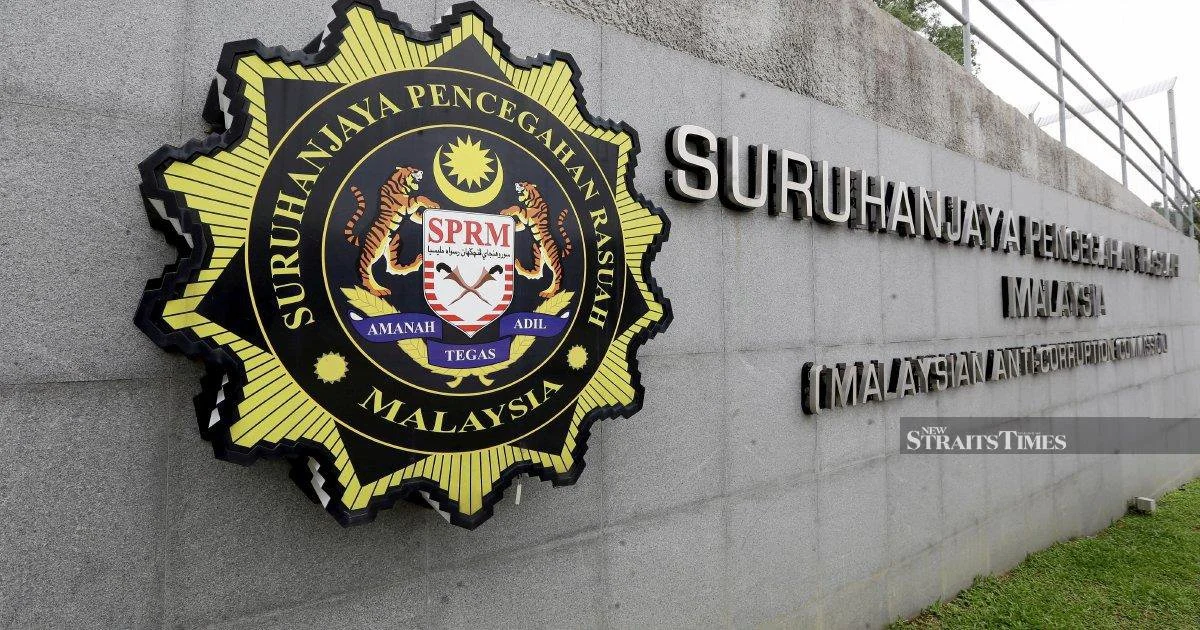
The Malaysian Anti-Corruption Commission, its officers, and the government have succeeded in their appeal to overturn a High Court judgment that held them responsible for malicious prosecution proceedings against a former company director, marking a significant legal victory for the anti-corruption body in Putrajaya.
The original High Court ruling had determined that MACC and the officers involved bore liability for the malicious prosecution case, with damages assessed at RM900,000. This appellate decision reverses that finding, substantially shifting the legal landscape surrounding oversight of the anti-corruption agency's prosecutorial decisions and the circumstances under which its officials can be held personally accountable for their actions during investigations.
This outcome carries important implications for how Malaysia's anti-corruption enforcement operates. The reversal suggests that courts will apply a higher threshold when evaluating claims that MACC officers have engaged in malicious prosecution. Such judgments shape the agency's operational latitude and the willingness of investigators and prosecutors to pursue cases without fear of personal liability, a consideration that becomes especially relevant given MACC's mandate to pursue complex financial crimes and corruption allegations across Malaysia's diverse corporate landscape.
The case reflects broader tensions in Malaysia's legal system between protecting individuals from prosecutorial abuse and ensuring that anti-corruption agencies have sufficient operating room to investigate serious financial crimes. Companies and individuals facing MACC investigations often raise malicious prosecution defences, particularly when they believe the inquiry lacks sufficient evidentiary foundation or has been politically motivated. The appellate court's decision provides clearer parameters for when such claims will succeed and when they will not.
For Malaysian businesses and corporate governance, this decision influences the risk calculus when dealing with MACC investigations. A narrower pathway to successfully sue for malicious prosecution may embolden more aggressive investigative strategies, though it may also reduce the leverage that defendants possess when negotiating with the agency. In Southeast Asia's increasingly competitive business environment, where regulatory certainty affects investment decisions, such rulings establish important precedents about the government's enforcement posture toward suspected financial wrongdoing.
The judgment also addresses institutional accountability mechanisms within MACC itself. Rather than holding individual officers financially liable for investigative decisions, the appellate court's reasoning likely emphasized the qualified immunity traditionally afforded to law enforcement and prosecutorial officials acting within their statutory authority. This principle, familiar across Commonwealth jurisdictions, recognises that excessive personal liability exposure could chill legitimate enforcement activities and deter qualified professionals from joining anti-corruption bodies.
The case underscores the complexity of balancing two competing public interests: ensuring that powerful investigative agencies do not abuse their authority, and guaranteeing that those agencies retain sufficient independence and protection to pursue genuine cases of corruption without constant threat of personal litigation. Malaysian courts have had to navigate these tensions repeatedly, particularly as they address historical concerns about political interference in enforcement decisions while also recognizing that aggressive litigation against officials themselves creates perverse incentives.
For former and current MACC officials, the appellate success provides reassurance regarding personal exposure when exercising their prosecutorial judgment. Officers involved in complicated investigations that later unravel or prove insufficient for conviction have previously faced civil liability claims, creating a chilling effect on thorough investigation work. This reversal should strengthen institutional confidence that reasonable enforcement decisions, even unsuccessful ones, do not automatically expose officials to massive personal damages awards.
The Malaysian legal profession will parse the court's reasoning carefully. The specific grounds for overturning the malicious prosecution finding—whether based on evidentiary insufficiency, the absence of necessary mens rea, or procedural defects in the original claim—will establish important precedent for subsequent litigation. Other potentially affected parties, including companies and individuals with pending malicious prosecution claims against MACC, will monitor how this decision shapes judicial interpretation of when liability attaches to anti-corruption investigations.
Regional anti-corruption bodies across Southeast Asia often reference Malaysian jurisprudence when developing their own prosecutorial practices and safeguards. This decision may influence how counterpart agencies in Singapore, Thailand, Indonesia, and other regional jurisdictions approach questions of official liability for investigative decisions, particularly as corruption enforcement becomes increasingly sophisticated and cross-border in nature.
The victory for MACC comes as Malaysia continues efforts to strengthen its anti-corruption framework and restore institutional credibility following various historical allegations of selective or politically motivated prosecution. Courts must weigh institutional reputation against individual fairness, and appellate decisions affirming prosecutorial actions generally support efforts to rebuild confidence in MACC's independence and professional standards.
Moving forward, this precedent will likely influence how future defendants challenge MACC investigations and whether malicious prosecution remains a viable defence strategy in Malaysian commercial and criminal disputes. The heightened burden of proof required to establish such claims may redirect litigation strategies toward other available remedies, including judicial review of investigative decisions on administrative law grounds or challenges based on procedural fairness principles.

