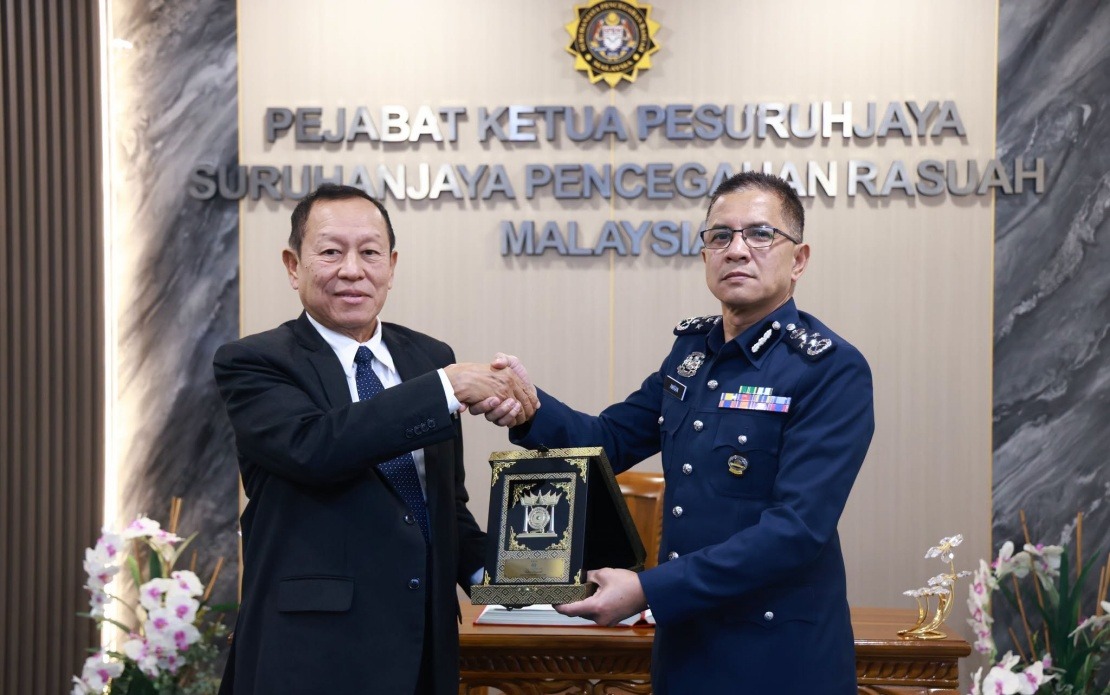
The Malaysian Anti-Corruption Commission and the Royal Malaysian Customs Department are moving forward with plans to create a dedicated task force aimed at tightening oversight of enforcement activities and tax collection mechanisms at Malaysia's major ports. The proposal emerged from high-level discussions between the two agencies in Putrajaya, signalling a coordinated approach to combating revenue leakage and corruption at critical points in the nation's supply chain.
During a courtesy visit by JKDM director-general Datuk Amran Ahmad to MACC headquarters, the two organisations identified persistent vulnerabilities in Malaysia's customs operations that require more rigorous monitoring. MACC chief commissioner Datuk Seri Abd Halim Aman characterised the one-hour strategic meeting as an opportunity to pool expertise and align enforcement strategies. The discussion went beyond surface-level coordination, delving into the specific operational and bureaucratic obstacles that hamper the effectiveness of customs inspection procedures across the country's port network.
The initiative carries significant implications for Malaysia's revenue base and border security. Container management leakages at ports represent a substantial drain on government finances, with smuggling networks continuously evolving their tactics to circumvent detection. By establishing a joint task force, MACC and the customs department hope to create a more agile response mechanism capable of identifying emerging patterns of non-compliance before they become entrenched in established trade corridors.
JKDM officials briefed their MACC counterparts on specific modus operandi detected in recent investigations, providing granular intelligence on how organised syndicates operate. One particularly concerning scheme involves the systematic undervaluation of cash entering Malaysia, where individuals declare significantly lower amounts than they are actually importing. This practice not only deprives the government of duty revenue but also indicates potential money laundering or tax evasion activities that fall within MACC's enforcement mandate.
Document falsification emerges as another key vulnerability highlighted during the discussions. Criminal networks have developed increasingly sophisticated methods to submit fraudulent paperwork under various regulatory approvals, exploiting the volume of legitimate cargo flowing through Malaysian ports. The customs department reported encountering multiple variations of this scheme, from falsified invoices to fraudulent certificates of origin, each designed to either reduce declared values or misclassify goods to access lower tariff rates.
The establishment of this task force reflects a broader recognition within Malaysia's law enforcement hierarchy that customs enforcement cannot function effectively in isolation. Tax collection at ports intersects with anti-corruption efforts, as customs officials themselves represent potential vectors for corruption when their duties lack adequate oversight. By inviting MACC's involvement, JKDM signals openness to external scrutiny and acknowledgment that integrity within the customs service requires continuous reinforcement.
Amran explicitly welcomed MACC's role in promoting integrity standards among customs personnel through anti-corruption training programmes and integrity awareness initiatives. This cultural dimension—shifting workforce attitudes toward compliance and ethical conduct—may prove as important as technological or procedural reforms. Many customs officials work in isolation at port facilities, making them vulnerable to inducements from smuggling syndicates. Regular engagement with anti-corruption messaging helps maintain professional standards and creates accountability mechanisms.
For Malaysian businesses engaged in legitimate international trade, the task force development carries mixed implications. Tighter enforcement should theoretically level the playing field by reducing opportunities for unscrupulous competitors to gain unfair advantages through customs evasion. However, poorly calibrated implementation could create friction in legitimate supply chains, potentially slowing cargo clearance or creating compliance burdens for honest traders. The quality of the task force's execution will determine whether it becomes an asset to trade competitiveness or an impediment.
The proposal also speaks to resource allocation challenges facing both agencies. Rather than duplicating enforcement efforts, the task force represents a pragmatic recognition that coordinated action produces better results than parallel operations. This efficiency logic extends to intelligence sharing—MACC's anti-corruption investigative techniques and JKDM's domain expertise in trade procedures complement each other when integrated into unified operations.
Regionally, Malaysia's customs enforcement challenges mirror those faced by neighbouring countries managing major port facilities and facing similar smuggling pressures. The ASEAN region processes substantial cross-border trade, creating opportunities for smuggling networks that operate across multiple jurisdictions. By strengthening internal enforcement capabilities, Malaysia positions itself as a more reliable trading partner and potentially a model for regional cooperation frameworks addressing customs corruption.
The involvement of MACC Investigation Division senior director Datuk Mohd Hafaz Nazar and JKDM Integrity branch head Azian Umar in these discussions underscores that the task force concept has backing from both agencies' operational leadership. These officials oversee the personnel and resources that would implement joint initiatives, suggesting the proposal extends beyond symbolic cooperation toward concrete institutional change.
Looking ahead, the success of this venture depends on translating the cooperative spirit evident in headquarters discussions into consistent field-level coordination. Port authorities, enforcement personnel, and intelligence analysts must receive clear mandates and adequate resources to execute joint operations. Clear protocols for information sharing, decision-making authority, and dispute resolution between the two agencies will prove essential for sustained effectiveness.

