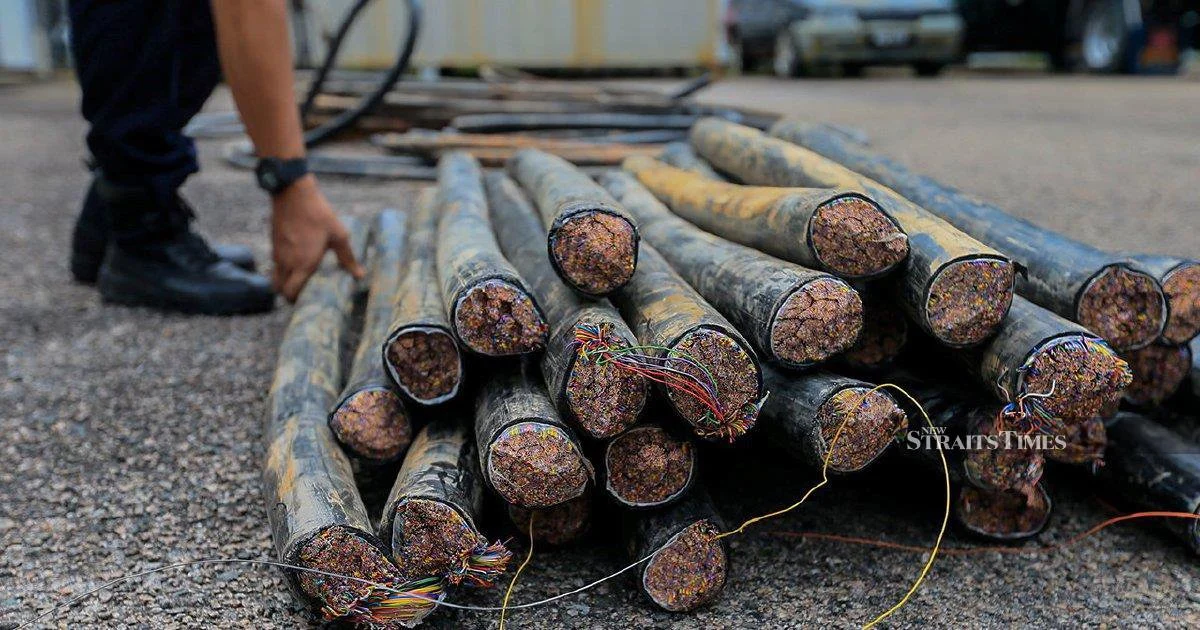
The Royal Malaysia Police has announced a marked improvement in combating cable theft across Kuala Lumpur, with official statistics revealing a substantial reduction in reported cases during the early months of this year. Between January and May, authorities documented just 71 incidents involving the theft of electrical and telecommunications cables—a dramatic decline from the 205 cases that plagued the city throughout 2025, suggesting that coordinated law enforcement efforts may finally be gaining traction against this persistent metropolitan problem.
The improvement in cable theft incidents reflects a broader pattern of criminal activity in urban areas where thieves target infrastructure for rapid resale to scrap metal dealers. These thefts have historically created widespread disruptions, affecting everything from traffic light operations and residential electricity supply to internet connectivity for businesses and households. The cable theft problem has been particularly acute in the Klang Valley, where the density of infrastructure and lengthy power distribution networks have made Kuala Lumpur an attractive hunting ground for organised criminal syndicates and opportunistic thieves seeking quick profits from stolen materials.
With 85 suspects arrested so far this year as of the May reporting period, police enforcement has intensified significantly. These arrests represent a concentrated push by the Royal Malaysia Police to dismantle the networks that facilitate cable theft, from the actual perpetrators who conduct the thefts to the middlemen who purchase stolen materials and the scrap dealers who process and redistribute them. The investigation strategy appears to recognise that sustainable reductions require targeting the entire supply chain rather than merely apprehending individual offenders.
The statistical foundation for this apparent success warrants careful examination. The 71 cases recorded in five months translates to an average of roughly 14 incidents per month—still a considerable number for a single metropolitan area, yet the comparison with 205 cases throughout the prior year demonstrates the scale of improvement. If this monthly rate continues for the remainder of the year, total cable theft incidents could fall to approximately 168 cases, representing an 18 percent reduction year-on-year and marking genuine progress in crime reduction.
Malaysian utility companies and telecommunications providers have increasingly invested in preventative measures in response to the cable theft epidemic. These include enhanced surveillance of vulnerable infrastructure, the installation of warning systems, improved lighting in at-risk areas, and closer coordination with law enforcement. Some businesses have implemented biometric access controls and real-time monitoring systems to track infrastructure integrity, creating technological barriers that make theft more difficult and riskier for perpetrators.
The interconnected nature of cable theft with broader criminal ecosystems cannot be overlooked. Research into criminal networks suggests that many individuals involved in cable theft also engage in other forms of property crime, making these arrests potentially valuable to police investigations into seemingly unrelated offences. The 85 arrests may therefore have cascading effects across other crime categories as investigations uncover connections to organised crime groups operating throughout the region.
For Malaysian consumers and businesses, the reduction in cable theft translates directly into improved service reliability. Fewer interruptions to electrical supply mean more stable operations for commercial enterprises, while reduced telecommunications disruptions benefit households and digital services. The economic impact extends beyond individual inconvenience to encompass reduced maintenance costs for utility companies, which previously had to rapidly repair damaged infrastructure and replace stolen cables—expenses ultimately reflected in customer bills.
The geographic distribution of remaining cable theft cases remains significant for resource allocation. While police have not detailed which areas of Kuala Lumpur continue to experience the highest incident rates, historical patterns suggest that peripheral industrial zones, older residential districts, and areas with less intensive surveillance remain vulnerability hotspots. Sustained enforcement will likely require continued concentration of resources in these zones alongside ongoing infrastructure hardening.
Challenges persist in sustaining these improvements. The economics of cable theft—where materials can be sold quickly for cash with minimal identification required—continue to incentivise criminal activity. Scrap metal buyers operating in grey-market conditions remain a crucial link in the theft chain, and their cooperation or regulation remains essential for long-term reduction. International experience suggests that countries successfully reducing cable theft have implemented strict metal dealer licensing, mandatory seller identification requirements, and database systems tracking precious metal sales—regulatory frameworks that Malaysia could potentially strengthen.
The police announcement also comes as Southeast Asian nations grapple with organised crime networks that frequently operate across borders. Cable theft expertise and criminal contacts developed in Malaysia can facilitate similar operations in neighbouring countries and vice versa. Regional cooperation mechanisms, including information sharing about suspect networks and coordinated enforcement operations, could amplify the effectiveness of Kuala Lumpur's current initiatives.
Looking forward, maintaining this downward trajectory will require sustained commitment from multiple stakeholders. Police must continue intensive investigations and arrests while preventing the emergence of alternative criminal networks. Utility companies must persist with infrastructure improvements and vigilance. Government policymakers should consider regulatory reforms targeting the secondary market for scrap metals and stolen materials, addressing demand-side factors that fuel theft. Community reporting and vigilance also play crucial roles, as neighbours and witnesses provide valuable intelligence that helps police intercept thieves before they succeed.
The decline in cable theft cases from 205 to 71 incidents represents tangible progress in Kuala Lumpur's ongoing security challenge. While celebration is premature and vigilance essential, these figures suggest that coordinated, sustained pressure on criminal networks can achieve meaningful results. Whether this improvement proves temporary or signals genuine transformation in policing effectiveness will become clear in forthcoming months as enforcement operations continue and seasonal variations in criminal activity become apparent.

