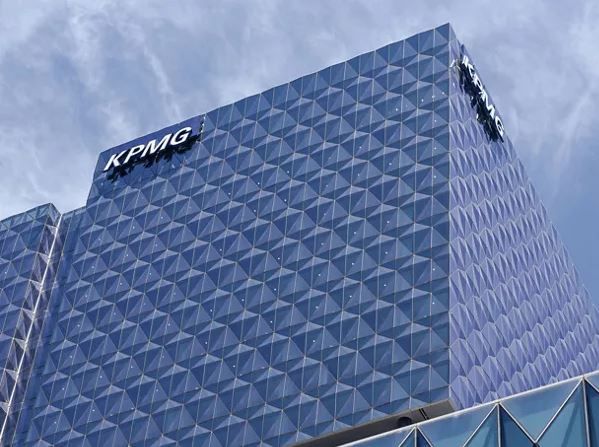
The departure of three senior figures from KPMG Australia represents a significant escalation in the professional services firm's ongoing governance crisis. Chairman Martin Sheppard, along with audit partners Paul Rogers and Eileen Hoggett, have all stepped down following revelations that the firm allegedly misused confidential client information to bolster its bids for major audit assignments. The departures come mere weeks after the firm's Chief Executive Officer and head of audit also resigned, suggesting the scandal's reverberations continue to reshape the organisation's leadership structure.
Interim Chief Executive Stan Stavros acknowledged in his statement that the resignations reflect a failure to uphold professional standards. His message, while carefully worded, amounted to a significant admission that KPMG Australia had fallen short of the ethical and operational expectations that define the profession. The firm recognised not only the direct harm caused to the whistleblower whose allegations triggered the investigation, but also the broader reputational and operational damage inflicted on employees, clients, and the wider business community that depends on auditor integrity.
At the heart of this scandal lies allegations concerning Lendlease, a major Australian real estate company. According to the whistleblower's account, which became public in March, KPMG obtained confidential board papers from Lendlease and subsequently leveraged this sensitive information when competing for substantial audit contracts. This conduct, if substantiated, represents a fundamental breach of the confidentiality and trust that underpins the auditor-client relationship. The allegation extends beyond a simple lapse in judgment; it suggests a systematic attempt to gain competitive advantage through access to non-public information.
Rogers and Hoggett occupy particularly exposed positions within this narrative. The whistleblower specifically identified both individuals as the lead partners overseeing KPMG's Lendlease audit work during the period when the alleged misconduct occurred. Their direct involvement in managing the engagement where confidential information was allegedly misused makes them central figures in the investigation. Both partners now face scrutiny from Australia's corporate regulator, which is examining whether their conduct violated professional standards and regulatory requirements governing auditor conduct and client confidentiality.
The regulatory dimension adds considerable weight to these developments. Australia's corporate regulator has launched a formal investigation into the allegations, signalling that what might otherwise remain an internal professional matter has crossed into territory that demands formal legal and regulatory assessment. The fact that the regulator is investigating Rogers and Hoggett specifically indicates that authorities believe there may be evidence of conduct that warrants formal examination beyond internal disciplinary processes.
For Malaysian and Southeast Asian readers, this episode carries instructive implications about governance and professional accountability within multinational firms operating across the region. KPMG maintains a substantial presence throughout Southeast Asia, including in Malaysia, where it advises on audit and compliance matters for numerous corporations. The Australian scandal raises questions about whether similar governance weaknesses or ethical lapses might exist elsewhere within the global KPMG network. Clients in Malaysia and the region must consider whether the leadership changes and governance reforms being implemented in Australia extend to their own jurisdictions.
The firm's response includes structural remediation designed to prevent future misconduct. KPMG has committed to appointing an independent board chair and expanding the number of independent directors serving on its Australian board. These governance enhancements aim to create additional oversight and distance decision-making from potential conflicts of interest. However, governance reforms typically require sustained commitment and cultural change to prove effective, and the success of these measures will depend on their implementation depth and the firm's ability to cultivate a culture that genuinely prioritises ethics over commercial advantage.
The timeline of revelations matters significantly for understanding the scandal's trajectory. The whistleblower's allegations emerged publicly in March, yet resignations only materialised months later. This delay suggests an extended internal process involving investigation, deliberation, and likely negotiations before leadership changes were finalised. The extended timeline may also reflect resistance within the organisation to acknowledging the severity of the conduct, a dynamic not uncommon when institutions confront allegations of systemic misconduct.
For audit clients throughout the region, these events underscore the importance of monitoring auditor independence and establishing robust controls over access to sensitive information. Organisations that engage KPMG or other major audit firms should consider whether their engagement agreements adequately protect confidential information and whether independent oversight mechanisms exist to monitor compliance with confidentiality obligations. The Lendlease situation demonstrates that even sophisticated, large-scale organisations can experience breaches of auditor confidentiality, and preventive measures warrant careful attention.
The broader profession faces reputational implications from these developments. Audit firms in Southeast Asia, regardless of their direct connection to KPMG, may face heightened scrutiny from regulators and clients seeking assurance that similar vulnerabilities do not exist within their own organisations. The scandal contributes to broader questions about whether audit markets generate sufficient competitive pressure that firms feel compelled to cut ethical corners to win business. These structural market dynamics may require regulatory intervention to address adequately.
As KPMG Australia navigates this period of transition, the firm must demonstrate that its commitment to remediation extends beyond leadership changes to encompassing operational reforms, cultural transformation, and enhanced compliance infrastructure. The departures of Sheppard, Rogers, and Hoggett represent necessary acknowledgment of responsibility, but sustainability of the firm's reputation will depend on whether these actions catalyse genuine institutional change that prevents recurrence.

