The Ministry of Domestic Trade and Cost of Living has moved to guarantee that essential commodity stocks will remain adequate throughout Johor and Negeri Sembilan during the forthcoming state elections, even as rising logistics expenses linked to regional geopolitical tensions pose ongoing challenges to supply chains across the region. The assurance comes as authorities brace for heightened demand from poll workers and visitors travelling from other states, a pattern typical during election cycles that can strain distribution networks and retail availability.
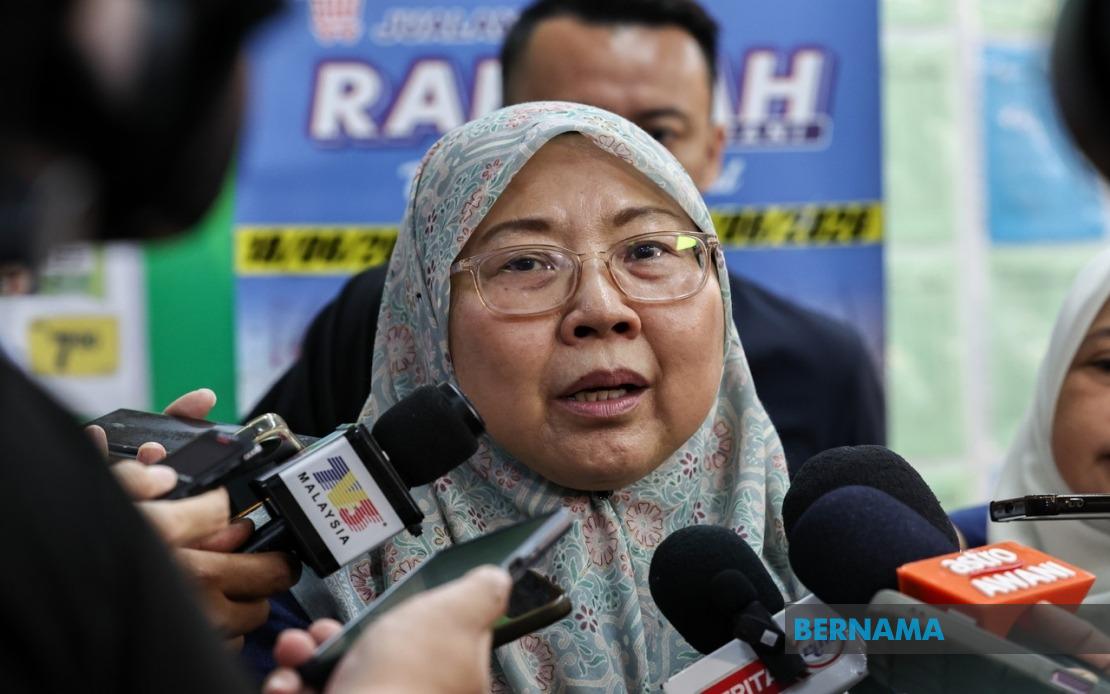
Deputy Minister Datuk Dr Fuziah Salleh outlined the ministry's forward-looking strategy during an inspection in Johor Bahru, emphasizing that preventive measures are already operational to forestall any disruptions to the flow of goods to consumers. The approach reflects growing awareness among policymakers that election periods require special attention to maintaining price stability and product availability, particularly for subsidised items that form a crucial safety net for lower-income households.
Central to this readiness framework is an overhauled distribution architecture for subsidised packet cooking oil, which now bypasses the traditional wholesaler intermediaries that have historically added complexity and cost to the supply chain. Under this streamlined model, repackers deliver directly to points of sale, a structural change designed to reduce delays, minimize handling costs, and maintain tighter control over inventory levels. This direct-to-retail approach reflects a broader shift toward supply chain efficiency that some Southeast Asian governments have begun experimenting with as they seek to make subsidy programmes more cost-effective.
Johor's monthly allocation of subsidised cooking oil stands at approximately 3,000 metric tonnes, a volume managed across a network of 18 repackers and distributed through 95 retail points of sale. This distribution footprint includes major supermarket chains such as Econsave, chosen partly for their technological infrastructure and ability to enforce purchase restrictions. An inspection at the Econsave outlet in Taman Daya revealed consistent daily stocks of around 100 cartons, a level the ministry considers sufficient to meet ordinary consumer demand without exhausting supplies.
To prevent diversion of subsidised goods to unintended beneficiaries or black-market resale, the ministry has implemented identity verification protocols at checkout counters requiring customers to scan a dedicated mobile application or present their MyKad identity card. These gatekeeping measures aim to ensure that only Malaysian citizens benefit from subsidies, a safeguard that has become standard practice across multiple government assistance programmes as authorities grapple with leakage issues that can undermine the social policy objectives of such initiatives.
The scale of the government's broader cost-of-living relief effort becomes apparent when examining the Rahmah MADANI Sales Programme, a nationwide initiative that has conducted 13,692 subsidised retail events between January and mid-June 2026. Within Johor specifically, organisers have staged 920 such sessions distributed across all 56 state constituencies, collectively attracting 2.3 million visitors and processing more than 1.46 million transactions. These figures suggest substantial public engagement with the subsidy mechanism and indicate the programme's reach across both urban and more remote constituencies.
The timing of these supply-chain preparations is deliberate, with Johor's state election scheduled for July 11. Candidate nominations are set for June 27, allowing a fortnight for campaigning and logistical arrangements, while early voting is scheduled for July 7 to accommodate civil servants and others unable to vote on polling day. This compressed timeline means that supply assurances must be in place immediately, leaving little room for adjustment if unforeseen bottlenecks emerge.
Global supply-chain headwinds remain a significant backdrop to these domestic preparations. Escalating logistics costs stemming from tensions in West Asia have increased freight expenses across maritime routes that feed Southeast Asian commerce, a pressure that extends beyond Malaysia to affect regional neighbours. For a country dependent on imports for certain commodities and energy, such external shocks underscore the importance of maintaining domestic buffers and efficient distribution systems to insulate consumers from volatile international markets.
The deputy minister's emphasis on the "effectiveness" of the government's approach reflects a political dimension to supply-chain management that Malaysian policymakers must navigate carefully. Elections amplify scrutiny of government performance on bread-and-butter issues, and any shortage of subsidised staples would generate immediate criticism. By demonstrating proactive planning and concrete inventory levels, the ministry seeks to preempt such vulnerabilities and project competent administration.
For Malaysian consumers, particularly those in lower income brackets who depend heavily on subsidised cooking oil and other supported items, the assurances carry practical weight. Supply disruptions during election periods can trigger panic buying and temporary price spikes, eroding the purchasing power that subsidies are designed to preserve. The direct distribution model and identity controls, while introducing minor inconvenience at the point of purchase, represent trade-offs that policymakers evidently judge acceptable in exchange for enhanced supply security and reduced programme leakage.
The broader implications extend beyond Johor and Negeri Sembilan to inform how Malaysian authorities approach the intersection of electoral cycles, consumer welfare, and supply-chain resilience. As global logistics costs remain elevated and geopolitical risks persist, the model of streamlined distribution and verification controls may offer lessons applicable to other essential commodities and regions. Whether these preparations ultimately translate into the smooth availability promised will become apparent as the election period unfolds and consumption patterns shift.

