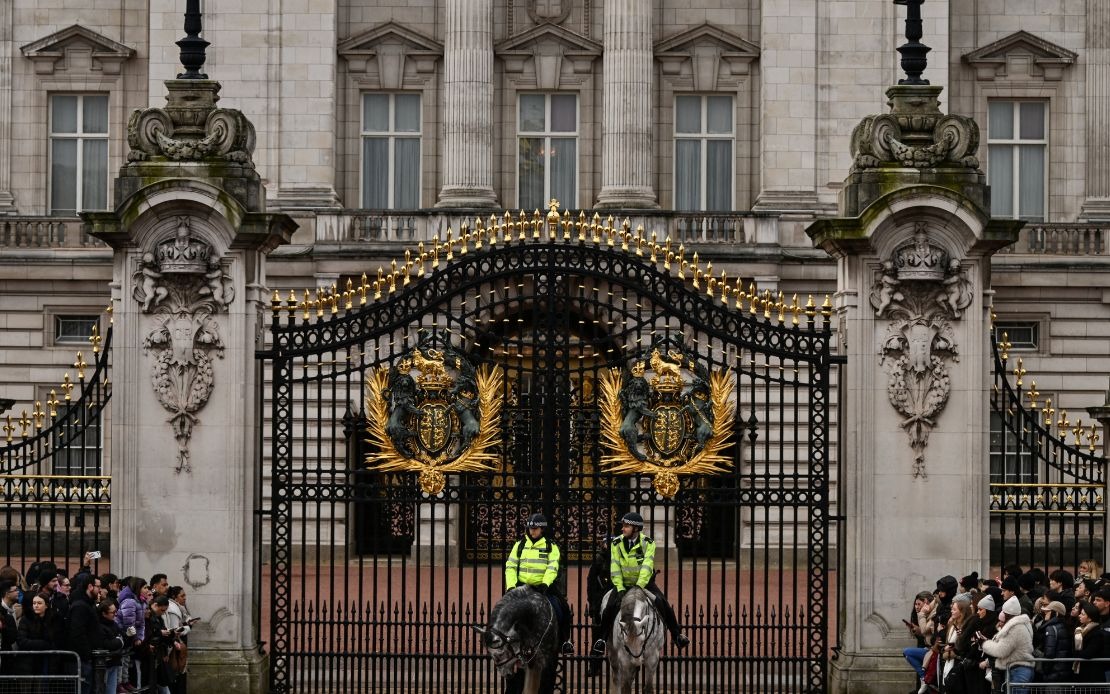
Britain's King Charles III has confirmed that Buckingham Palace will retain its role as the primary ceremonial and administrative centre of the monarchy once its major refurbishment programme concludes, though the royal couple will not establish their private residence within its walls. The decision, announced by the Royal Household on Thursday, clarifies the future direction of one of the world's most iconic palaces and underscores the institution's commitment to balancing heritage preservation with practical governance.
The refurbishment strategy reflects a deliberate choice to position Buckingham Palace as a working palace rather than a royal home. King Charles III and Queen Camilla intend to host official ceremonies, state receptions, and diplomatic functions at the venue following the completion of the decade-long restoration effort. This arrangement allows the monarchy to maintain the symbolic significance of the palace whilst creating flexibility in how the royal family manages its various residences across the United Kingdom. The approach signals a modernised view of royal operations, where ceremonial splendour and contemporary administrative needs can be separated across different locations.
The Buckingham Palace Reservicing Programme, now in its ninth year of a planned ten-year timeline, represents one of the largest infrastructure projects undertaken by the royal estate in recent history. The comprehensive overhaul addresses aging systems, structural maintenance, and environmental concerns accumulated over decades whilst preserving the palace's architectural and historical integrity. The extended duration reflects the complexity of working within a building of such historical significance, where preservation standards and technical requirements demand meticulous attention to detail at every stage.
The Royal Household's statement emphasises the palace's evolving role as a national asset with enhanced public accessibility. Rather than functioning purely as a private royal residence, Buckingham Palace will operate as the principal workplace for the Royal Household's administrative and operational staff. This reconfiguration acknowledges the modern monarchy's need to balance tradition with transparency, allowing the British public greater opportunities to experience and appreciate one of the nation's most important historical buildings. The expanded public access initiatives will likely become a significant cultural and economic asset for London's tourism sector.
Financial commitments to the palace's maintenance reflect the substantial investment required to preserve such an institution. The Sovereign Grant, the annual public funding stream supporting the monarch's official functions and palace maintenance, increased to £132.1 million in the 2025-2026 financial year. Of this allocation, £67.5 million was dedicated specifically to preserving and protecting the occupied royal palaces, demonstrating the Crown's substantial financial obligation to heritage conservation. This investment level underscores the practical complexity of maintaining multiple significant properties whilst fulfilling contemporary ceremonial and administrative responsibilities.
The attendance figures at royal events illustrate the continued demand for traditional ceremonial functions within the monarchy's portfolio. During the 2025-2026 financial year, nearly 97,000 guests attended 827 events staged across various royal palaces, demonstrating robust engagement with official royal functions. These gatherings serve multiple purposes, from diplomatic receptions to cultural celebrations, each contributing to the monarchy's public role and the nation's ceremonial calendar. The volume of events underscores why dedicated, accessible venues remain essential to royal operations.
For Southeast Asian observers, the arrangements at Buckingham Palace offer relevant insights into how historical institutions adapt to contemporary governance expectations. Malaysia's own royal palaces and institutions face similar challenges in balancing heritage preservation with modern accessibility and operational efficiency. The British monarchy's approach to separating ceremonial spaces from private residences demonstrates one model for institutions seeking to enhance public engagement whilst maintaining institutional dignity. The decision to prioritise public function over private comfort reflects shifting expectations about how state institutions should serve broader national interests.
The palace's future as a ceremonial rather than residential centre also has implications for how other Commonwealth nations think about their own state properties. The choice allows the monarchy to invest more substantially in public-facing functions, educational programmes, and heritage tourism, potentially generating economic returns that offset maintenance costs. This model contrasts with approaches that treat royal residences primarily as private family homes, suggesting an increasingly sophisticated understanding of how symbolic institutions can simultaneously serve public, cultural, and economic purposes.
The refurbishment programme's near-completion marks a significant milestone in the royal estate's modernisation journey. Once finished, the palace will emerge as a substantially upgraded facility with improved environmental systems, enhanced accessibility features, and restored architectural elements. The completion will enable the Royal Household to fully implement its vision of Buckingham Palace as both a functional administrative centre and a premier venue for state occasions. This transformation represents not abandonment of tradition but rather its evolution, ensuring that the palace remains relevant to twenty-first-century governance whilst honouring its historical significance.

