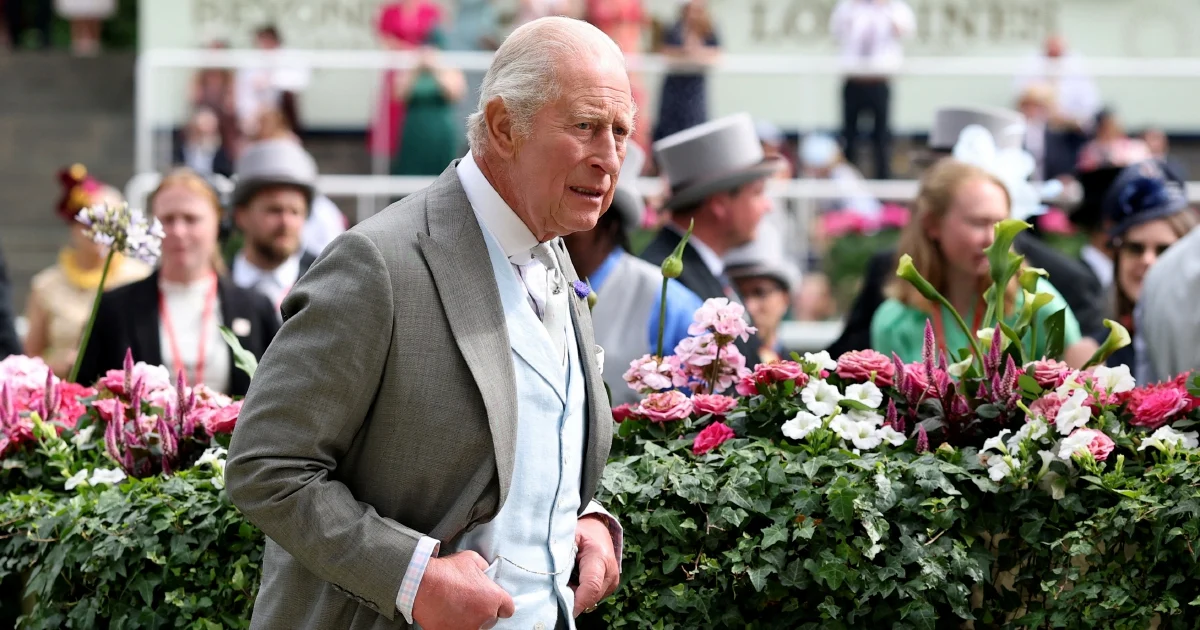
King Charles III will publicly disclose his personal tax bill, Buckingham Palace announced on Saturday, signalling an unprecedented commitment to financial openness at a time when the institution itself faces mounting questions about its wealth and fiscal responsibilities. The decision reflects broader concerns about how royalty operates financially in modern Britain, where public accountability has become increasingly central to maintaining institutional credibility.
For generations, the British monarchy has operated within a privileged financial framework that differs markedly from ordinary citizen obligations. Members of the royal family have traditionally enjoyed exemptions from certain tax requirements, fuelling periodic debate about fairness and public expectations. By committing to revealing the King's personal tax contributions, the palace appears to be responding to accumulated pressure for greater disclosure of how the Crown manages its considerable private wealth.
The announcement comes as royal finances have attracted heightened scrutiny from both media outlets and members of parliament. Questions about the Duchy of Cornwall, Sandringham Estate, and other substantial private holdings have intensified in recent years, with critics arguing that insufficient clarity exists around how these assets generate income and what tax obligations attach to them. This transparency initiative represents an attempt to counter such concerns and demonstrate that the monarchy operates within established legal and ethical frameworks.
Buckingham Palace's decision to go public with this commitment before being forced to do so suggests a strategic recognition that transparency can serve the institution's long-term interests. Rather than waiting for investigative journalists or parliamentary committees to compel disclosure, the palace has chosen to seize narrative control by announcing the measure proactively. This approach aligns with efforts undertaken during Queen Elizabeth II's reign to modernise the monarchy's public image and address contemporary expectations of institutional accountability.
The move carries particular significance for the Commonwealth and British territories that maintain constitutional links to the monarchy. In nations across the region, including Australia and Canada, questions about the relevance and costs of maintaining royal connections regularly feature in public debate. King Charles's willingness to embrace greater financial transparency may influence how these discussions unfold, potentially strengthening arguments that the modern monarchy can adapt to contemporary governance standards.
From an international perspective, this development reflects broader global trends toward enhanced disclosure by wealthy individuals and institutions. Many European monarchies have implemented varying degrees of financial transparency, setting benchmarks that British royal advisers evidently consider worth matching. By aligning with these international standards, the King positions the institution as willing to participate in modern accountability frameworks rather than clinging exclusively to historical privileges.
The financial scale involved makes this disclosure potentially significant. The King's personal wealth is believed to be substantial, encompassing private investments, property holdings, and other assets accumulated over decades. Revealing what proportion of income is paid in taxes will inevitably generate public reaction and analysis, possibly reigniting broader discussions about whether his effective tax rate aligns with public expectations or whether structural advantages allow preferential treatment.
For Malaysian and Southeast Asian readers, this development carries lessons about institutional adaptation in an era of democratic accountability. Malaysia's own royal institutions operate within frameworks that increasingly require justification and transparency, particularly given public interest in state resources and their distribution. The British monarchy's decision to embrace greater disclosure may influence how palace officials and government advisers in other Commonwealth realms approach similar questions about royal finances and public accountability.
The announcement also reflects generational shifts within the institution itself. King Charles III, who has long expressed interest in modernising the monarchy's operations and environmental practices, appears committed to extending that reformist impulse to financial matters. This approach contrasts with historical resistance to public scrutiny and suggests that the new reign will emphasise compatibility between royal status and contemporary democratic expectations.
Buckingham Palace has not yet specified the precise timing or format for disclosing the tax information, indicating that implementation details remain under consideration. How comprehensively the disclosure proceeds and what accompanying explanatory materials the palace provides will shape public and media response. The palace will likely aim to present information in ways that demonstrate compliance with law and principles of fairness while avoiding inadvertent ammunition for republican movements or escalated demands for further disclosure.
Longer term, this initiative may establish new baseline expectations for royal financial transparency across Commonwealth realms. If the disclosure proceeds smoothly and generates public acceptance, other monarchies may face pressure to implement comparable measures. Conversely, if the disclosed information provokes sustained criticism or inspires demands for more extensive reform, the King's gamble on transparency could inadvertently accelerate debates about the monarchy's role and financial privileges in contemporary society.

