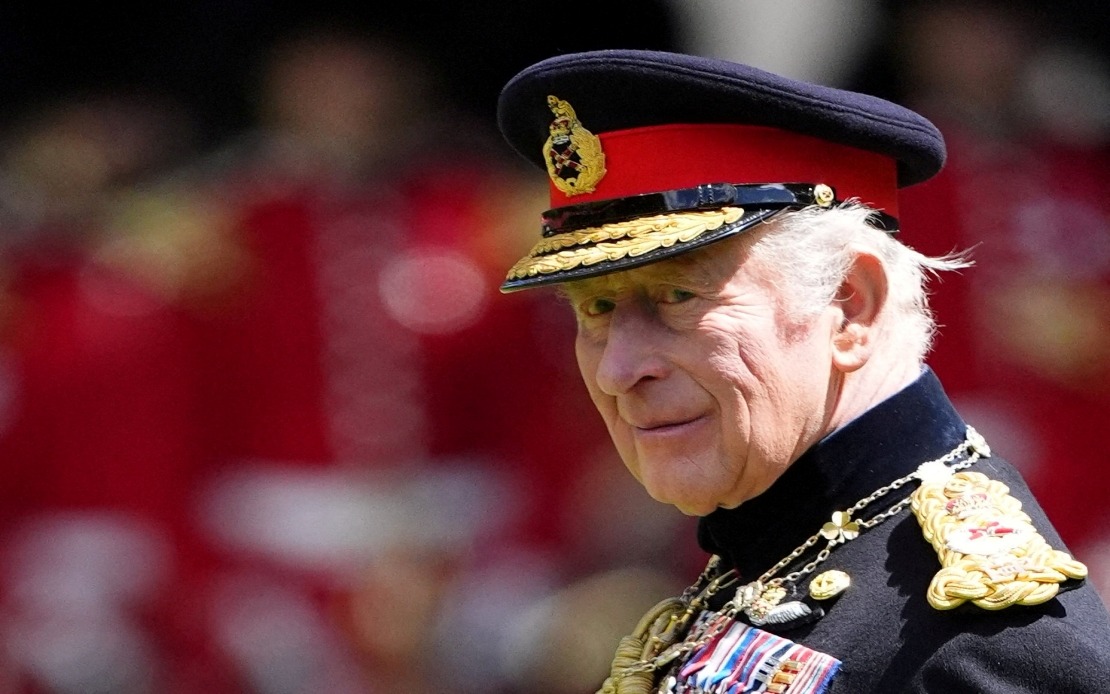
In a historic departure from centuries of royal tradition, King Charles III has become the first British sovereign to publicly reveal his personal tax payment figures, marking a significant shift toward greater financial transparency within the monarchy. Buckingham Palace announced on Thursday that the king paid £12.9 million—approximately US$17 million—in personal income tax during the 2024-2025 tax year, according to official Royal Household statements released alongside a comprehensive document detailing various sources of royal revenue.
This groundbreaking disclosure represents an evolution in the British Crown's approach to public accountability. While King Charles had previously released tax payment information during his tenure as Prince of Wales, the publication of such figures since his accession to the throne in September 2022 is entirely unprecedented. The Royal Household has framed this decision as part of broader efforts to demystify the complex architecture of royal finances and demonstrate the institution's commitment to transparency and public trust.
The figures released paint a picture of substantial personal obligations. In the preceding 2023-2024 tax year, the king paid £11.7 million in personal taxes, bringing his cumulative tax contributions since ascending the throne to more than £30 million. These payments are derived from income generated by his personal investments and the privately held Balmoral and Sandringham estates in Scotland and England respectively, which function as personal properties rather than state assets. The revenue from these sources funds the monarch's private expenditures and personal lifestyle costs, distinguishing them from the sovereign grant that supports official royal duties.
Understanding the legal framework surrounding royal taxation provides crucial context for appreciating the significance of these disclosures. British monarchs have historically enjoyed exemption from income tax, capital gains tax, and inheritance tax—a legal privilege that remains in place today. However, since the 1990s, successive monarchs have voluntarily submitted to taxation on personal income and capital gains, establishing an informal but consistent practice that demonstrates the Crown's recognition of its obligations to the broader fiscal system that applies to ordinary citizens and corporations throughout the realm.
James Chalmers, the keeper of the Privy Purse—the official responsible for managing the royal finances—emphasised that the disclosure reflects an intentional effort to clarify the principles underlying royal financial arrangements. "While royal finances can sometimes appear complex, the underlying system is clear in principle, structured in law, and refined over time to ensure the monarch can serve with independence, accountability and in the long-term interests of the nation," he stated. This statement underscores the dual rationale for transparency: maintaining public confidence while preserving the operational independence essential to the Crown's constitutional role.
For Malaysian and Southeast Asian observers, this development carries particular relevance in the context of institutional legitimacy and public confidence in monarchical systems. Several nations within the region maintain constitutional monarchies where similar questions about royal finances occasionally surface in public discourse. The British precedent of voluntary disclosure—despite the absence of legal compulsion—demonstrates a strategic approach to preempting criticism and maintaining democratic accountability while preserving the dignity and independence of the crown. This model may influence expectations and practices elsewhere in the Commonwealth and beyond.
The decision to publish detailed financial information aligns with contemporary expectations regarding institutional transparency that have emerged across democratic societies. Media scrutiny of royal expenditures, both in Britain and internationally, has intensified over recent decades. By proactively releasing comprehensive figures rather than allowing speculation or investigative journalism to drive the narrative, the monarchy has seized control of the discourse surrounding its finances. This approach acknowledges that modern institutions—including those with ceremonial or constitutional dimensions—operate within an information environment where opacity itself can breed suspicion.
The relationship between the sovereign grant and personal income deserves particular attention when examining the complete picture of royal finances. While the personal tax payments disclosed relate specifically to privately generated revenue, the monarchy also receives the sovereign grant from the government—funded by taxpayers—to support official state functions and the maintenance of royal properties used for public purposes. These two streams operate distinctly, with the personal tax payments addressing only the king's private financial obligations rather than the broader and more contentious question of public funding for ceremonial duties.
The publication of these figures also reflects changing attitudes within the institution itself regarding its relationship with the public. The late Queen Elizabeth II and previous monarchs generally maintained greater privacy regarding financial matters, viewing such disclosure as incompatible with the mystique and constitutional distance that monarchy traditionally cultivated. King Charles III, by contrast, appears to be navigating between the need for mystique and the contemporary imperative for institutional accountability. This balance—maintaining dignity while demonstrating responsible stewardship—represents a modernisation strategy carefully calibrated to preserve the monarchy's relevance and public support.
Looking forward, this precedent establishes expectations that may prove difficult to reverse without incurring significant reputational costs. Future disclosures of royal tax payments will likely become routine rather than exceptional, normalising a level of financial transparency previously unthinkable. The monarchy's gamble—that openness regarding personal finances enhances rather than diminishes public confidence—will continue to be tested through public reception and political commentary in the months and years ahead.

