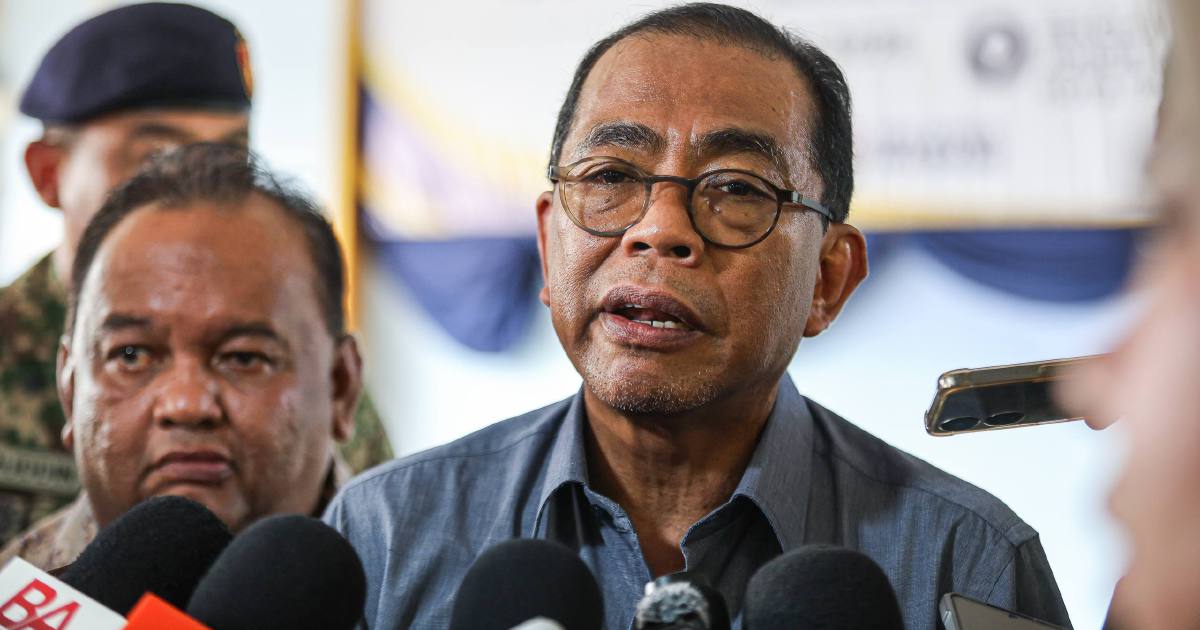
A prominent Malaysian political figure has pressed for the rapid acceleration of an official inquiry into a dangerous incident involving a grenade at Hobart Camp, signalling growing concerns about the incident's implications and the need for swift resolution. The demand reflects mounting pressure on authorities to thoroughly examine circumstances surrounding the mishap and provide the public with timely answers about what transpired and measures being taken to prevent recurrence.
The incident at the military facility has drawn attention to broader questions about safety standards and operational protocols within military installations. Such accidents, regardless of their severity, typically trigger formal investigations designed to establish root causes and identify systemic vulnerabilities that may require remediation. The call for expedition suggests impatience with the pace of the current inquiry and apprehension that delays could undermine public trust in institutional competence and accountability.
Malaysia's military infrastructure encompasses numerous training facilities and operational bases scattered across the peninsula and beyond. These installations handle sensitive equipment and conduct activities that inherently carry safety risks requiring stringent adherence to established procedures. When incidents occur, the manner and timeliness of official response becomes a crucial test of institutional credibility and commitment to transparency. In this context, the demand for accelerated investigation reflects not merely frustration but genuine concern about operational standards.
The prominence of the official calling for faster action suggests the incident has acquired political dimensions extending beyond the immediate military sphere. Such developments are characteristic of how military accidents in Malaysia frequently become subjects of broader public discourse, particularly when they involve potential hazards or resource implications. The involvement of high-level figures in demanding expedition indicates recognition that public perception and institutional confidence require demonstration of decisive and expeditious action.
Investigations into such incidents typically involve multiple agencies and disciplinary processes, which can naturally extend timelines. However, the tension between thoroughness and speed frequently animates debates about military accountability. Authorities must simultaneously ensure comprehensive fact-finding while maintaining momentum that sustains public attention and confidence. The political pressure to expedite may actually serve to clarify priorities within the investigative process, concentrating resources on essential determinations.
From a regional perspective, military accidents and their handling reflect broader patterns of institutional governance across Southeast Asia. Malaysia's approach to military incidents—including investigation procedures, transparency mechanisms, and remedial measures—shapes perceptions about regional military professionalism. The demands for swift resolution thus carry implications extending beyond the immediate incident, affecting international assessments of Malaysian institutional capacity and commitment to safety standards.
The Hobart Camp incident also raises considerations about training facility management and oversight. Malaysian military training operations prepare personnel for diverse operational scenarios, requiring controlled environments where safety mechanisms function optimally. When safety systems experience failures, the implications extend to personnel protection, public confidence in institutional management, and broader questions about resource allocation and maintenance standards within the defence establishment.
For Malaysian civilians and broader society, military safety incidents acquire particular salience because defence institution operations inevitably intersect with civilian spaces and populations. Accidents or failures in military facilities can generate reverberations affecting adjacent communities, supply chains, or public services. Rapid, transparent investigation serves therefore not merely institutional interests but also legitimate public concerns about safety management within organizations bearing significant responsibility.
The demand for expedited investigation also reflects evolving standards regarding institutional accountability in Malaysia. Citizens increasingly expect rapid responses to incidents, comprehensive explanations of what occurred, and clear articulation of corrective measures being undertaken. Traditional approaches emphasizing extended deliberation before public disclosure now face pressure toward more contemporary models favouring parallel investigation and communication throughout the process.
Moving forward, the investigation's outcomes will likely inform revised protocols, training modifications, or equipment specifications aimed at preventing similar incidents. The investigation's pace and transparency will significantly influence whether such reforms gain credibility with personnel and the public, or whether scepticism regarding institutional responsiveness persists. The political attention currently focused on Hobart Camp serves therefore as a form of quality control, ensuring that investigative processes remain rigorous and results become publicly accessible.
The incident underscores broader themes regarding military institution governance across Southeast Asia, where balancing operational security with public accountability remains an ongoing challenge. Malaysia's handling of the Hobart Camp matter will contribute to evolving regional standards regarding transparency and institutional responsiveness. The expedited investigation demand thus represents not merely political pressure but also an opportunity for Malaysia to demonstrate institutional capacity to respond swiftly and comprehensively to safety failures, ultimately strengthening public confidence in defence institution operations.

