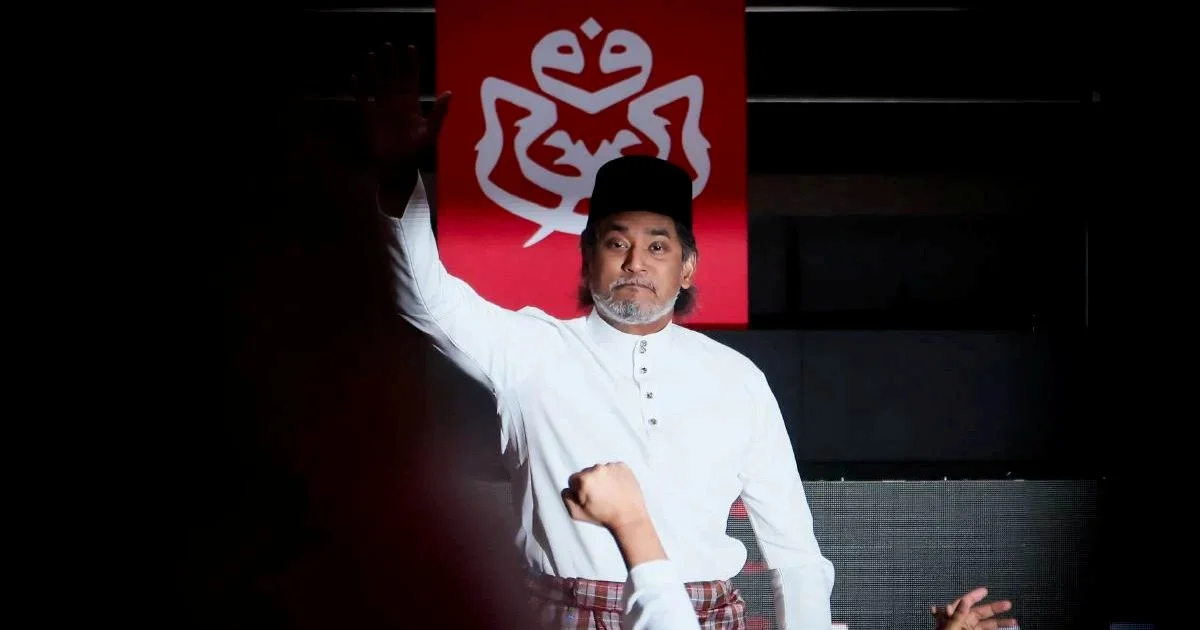
Khairy Jamaluddin, the former Rembau member of parliament, has effectively removed himself from the immediate decision-making process regarding a potential candidacy in the upcoming Negri Sembilan election scheduled for August 1. Instead of declaring his intentions publicly, the senior Umno figure has entrusted the party hierarchy with authority over whether he will contest in the state poll, signalling a shift towards collective party deliberation rather than individual announcement.
This deferential approach reflects broader dynamics within the Umno party structure, where senior leadership coordinates electoral nominations and strategic placements. By stepping back from unilateral decision-making, Khairy has positioned himself as willing to accept whatever direction party leadership determines, a move that may strengthen his standing within the organisation's power corridors. Such positioning is particularly significant for a figure with his historical influence within Umno's upper ranks.
The decision carries implications for Negri Sembilan's political landscape, as Khairy's potential entry into the contest would reshape local electoral dynamics. His presence or absence in the race affects not only Umno's internal calculations but also opposition parties' campaign strategies. The timing of this uncertainty—occurring ahead of a major state election—demonstrates how nomination decisions at the national level can create ripples across regional political ecosystems.
Khairy's parliamentary tenure in Rembau established him as a significant political figure capable of delivering votes and managing grassroots support. However, his previous parliamentary constituency may have limitations in determining his electoral viability in a different state, a factor Umno's leadership will likely weigh carefully. The party's central decision-making apparatus presumably has access to polling data, internal assessments, and strategic considerations that individual politicians might not fully evaluate independently.
This approach also reflects contemporary Malaysian political culture, where party loyalty and hierarchical structures remain paramount, particularly within Umno's traditional framework. By deferring to leadership, Khairy demonstrates deference to institutional authority while simultaneously keeping his options open pending the party's determination. Such tactical positioning allows him to remain a viable candidate without publicly committing to a particular course of action that might later prove politically disadvantageous.
The Negri Sembilan election represents a crucial battleground for Umno in its broader efforts to strengthen its electoral position across Malaysia. The state has undergone significant political shifts in recent years, and party leadership would carefully evaluate which candidates offer the strongest prospects for success. The calibre of candidates fielded can substantially influence turnout and voter perception, making nomination decisions strategically vital.
Khairy's willingness to accept party direction contrasts with the more assertive candidacy announcements occasionally made by other senior figures. This measured approach may reflect his understanding of Umno's internal expectations and the value of appearing responsive to centralised command structures. Within Malaysian political parties, particularly those with longer institutional histories, such deference often translates into greater influence over policy matters and resource allocation.
The August 1 election date creates a timeline within which Umno's leadership must finalise its candidate roster and campaign strategy. This window for decision-making suggests that party deliberations are ongoing, and multiple variables are being evaluated. Khairy's status as a former parliament member and someone with measurable political capital likely means he remains on the party's shortlist of viable candidates across various constituencies.
For Malaysian voters and political observers, Khairy's stance illustrates the complex interplay between individual political ambition and party discipline. Unlike democratic systems where politicians might independently announce candidacies and campaign for nominations, Malaysia's major political parties typically operate through more centralised nomination procedures. This structural difference shapes how politicians like Khairy navigate their electoral futures and manage their public positioning.
The implications extend beyond Khairy himself to broader questions about Umno's strategic direction in Negri Sembilan. Party leadership's final decision will reflect calculated assessments about which candidates maximise electoral prospects while maintaining internal party balance. Such considerations include geographical representation, community influence, and alignment with the party's broader coalition strategies.
For Southeast Asian political analysts, this scenario demonstrates how established political parties in the region manage succession planning and candidate selection through institutional channels rather than individual initiative. The centralised approach allows parties to deploy their most promising figures strategically across multiple elections and constituencies, rather than allowing individual politicians to independently determine their electoral paths.
As the August 1 election approaches, Umno's formal announcement of candidates will clarify whether Khairy proceeds to contest in Negri Sembilan. Whatever the outcome, his deferential positioning ensures he maintains standing within party circles regardless of the leadership's final determination. This pragmatic approach reflects the realities of operating within Malaysia's structured political environment, where institutional loyalty often determines long-term career trajectories more significantly than individual announcements or public positioning.

