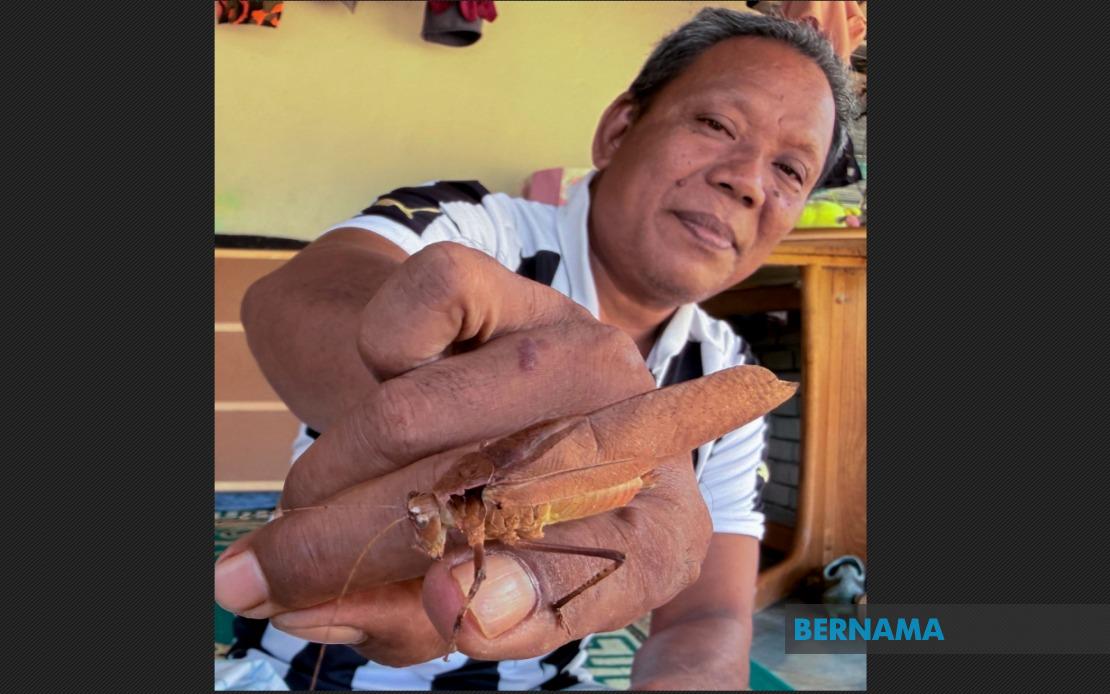
In the rural districts of Kelantan, a quiet cultural revival is unfolding as young Malaysians turn away from their screens and smartphones to participate in belalang kerek, a centuries-old pastime centred on catching and pitting grasshoppers against one another in competitive matches. The sport, which has deep roots in Peninsular Malaysian folklore and rural communities, is experiencing an unexpected surge in popularity among the younger generation, particularly in areas such as Tanah Merah, where participants are discovering the simple pleasures and affordability of this time-honoured tradition.
The resurgence of belalang kerek speaks to a broader cultural moment in Malaysia, where digital fatigue and the rising cost of modern entertainment are prompting young people to reconnect with activities their grandparents once cherished. Unlike contemporary hobbies that demand substantial financial investment or constant technological upgrades, belalang kerek requires minimal resources and offers an accessible entry point for anyone interested in participating. For communities grappling with the homogenising effects of globalisation and the relentless pace of digital life, the sport represents not merely a recreational outlet but a tangible link to heritage and local identity.
Muhammad Sayuti Mat, a 53-year-old competitor from Kampung Manal 3 and seasoned enthusiast of the sport, emphasises that the primary appeal lies in its remarkably low financial barriers to entry. Unlike many modern hobbies that demand expensive equipment, memberships, or subscriptions, belalang kerek can be pursued by virtually anyone with modest means and a willingness to learn the craft. The economics of participation make it particularly attractive in rural areas where household incomes may be constrained, yet the desire for engaging leisure activities remains strong. Sayuti's observation underscores how traditional pastimes can offer economic as well as cultural benefits to communities seeking affordable pathways to entertainment and social connection.
The nocturnal hunting expeditions that precede tournament matches form a crucial part of the belalang kerek experience. Hunters venture into agricultural fields and scrubland under cover of darkness, relying entirely on their auditory sensitivity to locate the insects. The grasshoppers' nocturnal vocalisation is considerably more pronounced and distinct than their daytime chirping, creating an almost musical landscape that hunters must navigate with skill and patience. This aspect of the sport demands a particular attunement to the natural world, a sensory awareness that stands in sharp contrast to the visual overstimulation of digital screens and devices. For young participants, learning to identify individual insects by their unique calls becomes an exercise in observation and environmental consciousness.
The agricultural landscape of Kelantan provides ideal habitats for belalang kerek, with the insects typically nesting among fan palms, dense vegetation, and cultivated plots. The sport's seasonal availability ties communities to the rhythms of their natural environment, creating a temporal structure that differs markedly from the perpetual availability of digital entertainment. This cyclical dimension reinforces cultural continuity and connects contemporary participants to generations of Kelantanese who have pursued the same activity across decades and centuries. The geography and ecology of the region have thus shaped not only the sport's prevalence but also its enduring cultural significance.
Young enthusiasts like Rihduan, whose name appears frequently in grassroots sports documentation, articulate how the sport serves as a genuine escape from the pressures and monotony of modern existence. The thrill of witnessing one's carefully reared grasshopper triumph in competition—hearing its calls resonate with strength and vitality—provides an emotional satisfaction that transcends any monetary reward. This emphasis on intrinsic rather than extrinsic motivation distinguishes belalang kerek from many contemporary competitive activities, where prize money and sponsorships often dominate participants' attention. The psychological and emotional dimensions of the sport thus offer benefits extending beyond simple entertainment.
Tournament participation remains extraordinarily affordable, with entry fees as low as RM3 per grasshopper, placing competitive involvement within reach of virtually any young person interested in testing their skills. Aidil Md Noor, a 23-year-old participant, identifies this minimal cost barrier as central to the sport's expanding appeal among his peers. When tournaments charge such modest fees, the activity becomes genuinely democratic, accessible regardless of socioeconomic background. This contrasts sharply with many contemporary sports and hobbies that require substantial equipment investment or membership fees, effectively excluding participants from lower-income households.
The dietary requirements of belalang kerek are similarly straightforward and inexpensive, further reducing the overhead associated with competitive participation. Successful rearing demands no specialised equipment or expensive feed supplements—just basic knowledge of what the insects naturally consume and simple care practices that can be learned quickly. This simplicity democratises expertise; there is no hidden knowledge reserved for the wealthy or those with access to premium resources. A teenager from a modest household can rear a competitive grasshopper using the same techniques as someone with greater financial resources, making skill and dedication rather than purchasing power the primary determinants of success.
The social dimensions of belalang kerek communities deserve particular attention, as the sport creates spaces where young people interact face-to-face, develop mentoring relationships with older enthusiasts, and build networks rooted in shared cultural practice rather than digital platforms. These gatherings and tournaments function as nodes of community cohesion, particularly valuable in rural areas where opportunities for youth engagement may be limited. The intergenerational knowledge transfer occurring through such interactions preserves not only techniques and tactics but also stories, values, and cultural narratives that constitute Kelantan's living heritage. In this respect, every match represents a small act of cultural conservation.
The broader implications of this revival extend beyond Kelantan itself. As digital technologies increasingly shape leisure patterns across Malaysia, the rediscovery of traditional pastimes among young people suggests possibilities for sustainable, affordable, and culturally grounded forms of entertainment that do not depend on corporate platforms or continuous technological consumption. The belalang kerek phenomenon offers a template for how communities might intentionally cultivate spaces and practices that foster genuine human connection, environmental awareness, and cultural continuity. For policymakers and cultural advocates throughout Southeast Asia concerned with heritage preservation and youth engagement, the Kelantan experience demonstrates that traditional practices retain genuine appeal when they are presented not as museum pieces but as living activities capable of meeting contemporary needs for community, meaning, and affordable recreation.

