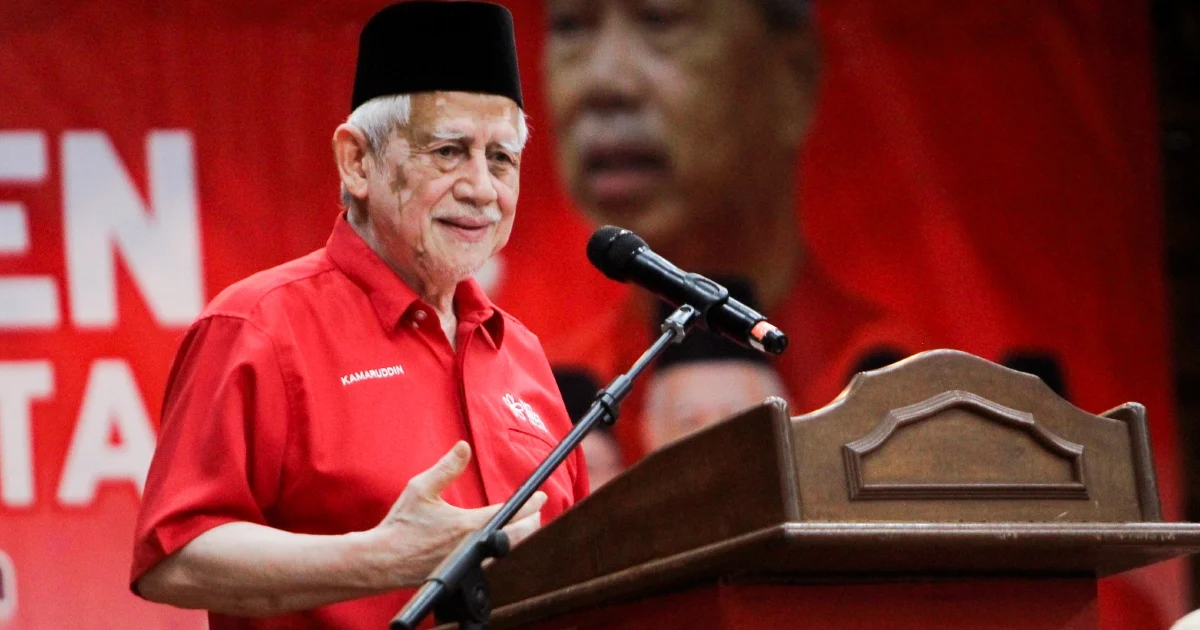
Kelantan's Bersatu division reacted with measured composure to Perikatan Nasional's overnight announcement removing Datuk Seri Mohamed Azmin Ali and Datuk Dr Mohd Radzi Md Jidin from the coalition's leadership structure, suggesting the development had been anticipated rather than shocking to party cadres in the east coast state.
The decision by the Perikatan Nasional leadership council represents a significant recalibration of the opposition coalition's internal hierarchy, one that has been building in recent months as tensions between factions within the alliance have become increasingly visible. The removal of both figures, who held prominent positions within the opposition structure, signals deliberate strategic repositioning by those controlling the coalition's direction and messaging.
Azmin Ali, a seasoned politician who has held various ministerial portfolios and maintained substantial influence within Perikatan Nasional, has been navigating complex relationships across multiple political platforms. His ejection from the leadership line-up reflects broader contestations about the coalition's future trajectory and which individuals should occupy the most influential seats. The circumstances surrounding his removal suggest accumulated tensions rather than a sudden rupture, with various party actors having engaged in careful positioning ahead of this announcement.
Mohd Radzi, whose political profile encompassed significant administrative experience, completes the pairing of removals that appears designed to reshape the coalition's perceived leadership competence and direction. The deliberate nature of the dual removal indicates careful planning within higher councils, where decisions about coalition composition are carefully orchestrated to achieve specific outcomes among supporter bases and rival political actors.
For Kelantan Bersatu specifically, the muted response reflects the state-level party apparatus having either anticipated this outcome through informal channels or having assessed that the changes would not fundamentally alter their operational autonomy within the state political arena. The apparent acceptance of these changes by Kelantan's party leadership suggests either confidence in their position within the broader coalition or a pragmatic recognition that leadership contests at higher levels need not destabilise regional party structures.
This episode underscores the persistent tensions between centralised coalition decision-making and the preferences of regional party branches, a dynamic that has characterised Perikatan Nasional since its formal consolidation. Kelantan's Bersatu wing, operating within a state where the coalition maintains significant political footprint, appears to be taking a position of strategic neutrality rather than resistance, possibly to preserve access and influence within the broader opposition structure.
The removal of senior figures from established leadership positions inevitably creates ripple effects across party organisations and supporter networks. However, the relatively subdued Kelantan response suggests either strong internal consensus about these changes or deliberate messaging discipline to avoid appearing fractious during a period of potential vulnerability. Such restraint can serve multiple purposes: it demonstrates unity to rival political actors, prevents internal divisions from becoming public fodder, and allows time for reassessment of emerging power dynamics within Perikatan Nasional.
Analysts observing coalition politics in Malaysia note that such leadership restructuring often indicates power transitions occurring beneath public view, with successful removal of prominent figures suggesting successful consolidation by ascending factions. The speed with which Kelantan Bersatu accepted these changes may indicate that state-level leadership had already aligned with the emerging consensus within the national coalition.
The broader implications for Perikatan Nasional's positioning ahead of potential electoral contests remain to be assessed. Leadership changes of this magnitude typically aim to address perceived weaknesses in coalition messaging, internal credibility, or electoral appeal. Whether the removal of Azmin and Radzi achieves these objectives will likely become evident through subsequent polling, grassroots response, and the coalition's ability to present unified positioning on critical policy questions.
For Malaysian politics more broadly, this development illustrates the persistent instability within opposition coalition structures, where diverse parties maintain fundamentally different interests and personalities, creating constant pressure for realignment. Kelantan, as a state with entrenched East Coast dominance, maintains sufficient political capital to absorb such national-level changes without requiring dramatic internal adjustments.
The measured tone adopted by Kelantan Bersatu officials responding to these removals contrasts with potential responses from other state branches, suggesting either regional differences in how coalition changes are being digested or deliberate efforts by certain state leaderships to appear more disciplined and unified than others. This variation itself becomes a political statement, signalling which regional leaders command sufficient confidence to weather national coalition turbulence with equanimity.