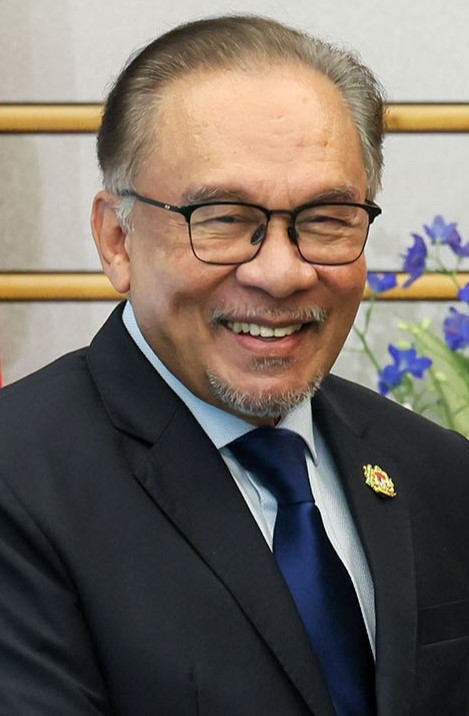
A Kedah parliamentarian has intensified a political standoff with Malaysia's higher education ministry by publicly announcing his intention to initiate court proceedings, underscoring his determination to press charges despite ministry pressure to withdraw controversial claims. Haim Hilman Abdullah, who represents a Kedah constituency, made the declaration following what he characterises as unfounded demands that he retract his allegations concerning what he describes as backdoor practices within the ministry.
The dispute reflects mounting tensions between Opposition lawmakers and the government education apparatus over governance and institutional integrity. Abdullah's refusal to back down represents a calculated political gambit, signalling that backbenchers are increasingly willing to escalate confrontations through litigation rather than accept government directives to remain silent. The confrontation underscores how Malaysia's political landscape has grown more litigious, with elected representatives routinely threatening legal action as a tool for scoring political points and testing administrative boundaries.
Abdullah's stance carries broader implications for parliamentary accountability. By insisting he will not retract his allegations, the Kedah MP is essentially asserting that backbench representatives possess sufficient independence to challenge executive departments without fear of institutional retaliation. This assertion, if validated through sustained legal action, could establish precedent for other Opposition figures contemplating similar confrontations with government bodies. The threat of litigation simultaneously serves as a mechanism for maintaining public attention on allegations that might otherwise fade from the news cycle.
The higher education ministry's position remains a critical variable in this developing situation. Malaysian government ministries occasionally respond to criticism by demanding retractions and threatening legal counterclaims, a practice that critics argue has a chilling effect on legitimate parliamentary scrutiny. The ministry's apparent unwillingness to engage substantively with Abdullah's specific allegations—instead demanding wholesale retraction—suggests institutional defensiveness that may prove counterproductive to public confidence in governance.
Regionally, this dispute reflects patterns observable across Southeast Asia where educational systems face recurring scrutiny regarding admission processes and institutional transparency. Malaysia's higher education sector has periodically confronted allegations concerning university placement procedures, scholarship distribution, and appointment practices. Whether such complaints stem from legitimate governance failures or represent partisan politicking remains contested, but the frequency of such allegations indicates structural vulnerabilities worth examining.
Abdullah's legal threat also reflects the increasingly sophisticated use of court systems by Malaysian politicians as alternative venues for political battles. Rather than confining disputes to parliamentary chambers or media commentary, elected representatives now routinely deploy litigation strategically. This approach carries both advantages and disadvantages: it potentially offers greater investigative discovery mechanisms than parliamentary debate, yet simultaneously diverts resources and attention toward legal proceedings rather than substantive policy analysis.
The timing of this confrontation warrants consideration within Malaysia's broader political calendar. Disputes between Opposition figures and government ministries often intensify during periods of heightened political competition or when parliamentary majorities face vulnerability. The Kedah representative's willingness to pursue expensive litigation suggests confidence either in the substantive merit of his allegations or in the political utility of maintaining highly visible conflict with the education establishment.
For Malaysian higher education stakeholders—including students, parents, and institutional administrators—this dispute carries practical consequences. Protracted legal battles involving ministry officials consume administrative capacity and potentially distract from substantive educational reform efforts. Universities and colleges dependent on ministry oversight may find themselves caught between political contestants, while institutional autonomy becomes subordinated to governmental and opposition positioning. Such diversions from core educational missions represent hidden costs of intensifying political conflict within the sector.
Abdullah's refusal to retract also raises questions about the evidentiary foundation underlying his allegations. Journalists and analysts will scrutinise whether the Kedah MP possesses documentary evidence supporting his claims or whether his assertions rest on inference and accusation. The willingness to proceed to court suggests either genuine confidence in available evidence or strategic gambling that discovery processes will unearth supportive documentation. Either calculation carries risks, as unsuccessful litigation can undermine future credibility.
The unfolding legal contest will likely attract significant attention from civil society observers monitoring parliamentary integrity and institutional accountability. Malaysian governance commentators have expressed recurring concerns that government institutions occasionally resist legitimate scrutiny, while political opponents sometimes weaponise allegations for partisan advantage without substantive foundation. This particular dispute will be examined for what it reveals about Malaysian institutional resilience and the proper boundaries of parliamentary criticism.
Moving forward, the outcome of Abdullah's threatened legal action will potentially establish precedent regarding the vulnerability of government ministries to liability for responding to parliamentary criticism. If courts determine that demanding retraction constitutes improper intimidation, this could expand the scope for future parliamentary criticism. Conversely, if litigation proves unsuccessful, Abdullah's defeat might discourage similar legal challenges, reinforcing ministerial authority to suppress critical commentary. The resolution, therefore, extends beyond this individual dispute to shape Malaysia's broader institutional and political dynamics.