The Malaysian Artistes' Association, known as Karyawan, is preparing a comprehensive set of resolutions to present to the Prime Minister following its Music Practitioners Convention scheduled for Sunday, June 21 at Saloma Restaurant in Kuala Lumpur. The initiative reflects growing momentum within Malaysia's music sector to address systemic challenges that have plagued the industry for decades, with over 200 artistes and music professionals expected to participate in discussions that will shape the organisation's advocacy agenda.
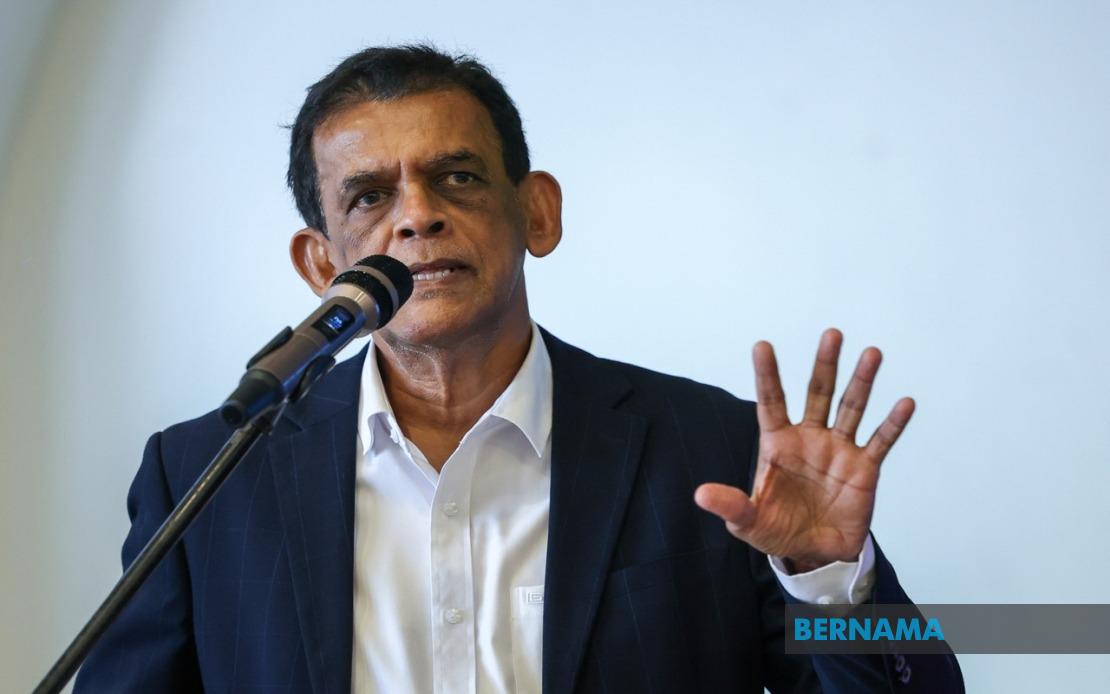
Karyawan president Datuk Freddie Fernandez outlined the scope and ambition of the upcoming convention during a press conference, emphasising that the organisation has identified critical areas requiring government attention and industry reform. He characterised the current state of the music ecosystem as troubling, noting that two decades of observation have revealed concerning patterns in how the industry operates and sustains its practitioners. The convention, therefore, serves both as a gathering point for collective voice-building and as an information-gathering exercise to ensure that the resolutions submitted to the Prime Minister reflect authentic concerns from across the music community.
The memorandum is expected to be completed approximately one week after the convention concludes, allowing time for comprehensive drafting based on the discussions and feedback gathered during the event. The document will address multiple interconnected issues that stakeholders view as fundamental to the industry's future health and viability. These include frameworks for sustainable industry development, the integration of artificial intelligence in music creation and distribution, the persistent crisis around royalty distribution mechanisms, concrete support mechanisms for working artistes, the state of music education infrastructure, and the availability of viable career pathways for individuals pursuing professional work in music-related fields.
Royalty systems have emerged as perhaps the most contentious issue within Malaysia's music industry, representing a structural imbalance that has frustrated artistes for generations. Freddie highlighted the severity of this disparity by referencing financial data compiled from industry records spanning 2002 to 2017. During this fifteen-year period, record companies collected approximately RM700 million from various sources, yet only around RM20 million of this sum made its way to artistes' organisations and, subsequently, to the individual musicians whose creative work generated the revenue. This staggering gap underscores a systemic failure in the distribution chain and raises fundamental questions about how revenue flows within Malaysia's recorded music sector.
The artificial intelligence dimension represents an emerging challenge that the music industry has not adequately grappled with, and one that Karyawan believes requires urgent policy attention. Freddie stressed that the discussion around AI usage cannot be relegated to technologists and business interests alone; rather, it demands thorough, inclusive deliberation that establishes guidelines capable of accommodating technological advancement while protecting the interests and livelihoods of music practitioners. This balancing act becomes increasingly critical as generative AI tools proliferate and threaten to disrupt traditional revenue models for songwriters, composers, and performers.
Support infrastructure for artistes represents another area flagged for reform. Freddie indicated that Karyawan may advocate for the introduction of industry-specific legislation and regulations designed to create enforceable standards across the music sector. Beyond regulatory measures, the organisation believes additional financial and institutional support mechanisms are necessary to enable artistes to develop sustainable careers. This could encompass everything from improved training programmes to better access to performance opportunities, recording facilities, and business management resources that many emerging and established musicians currently lack.
Music education and career pathway development have also entered Karyawan's reform agenda, reflecting concerns that Malaysia's music industry lacks the transparent, organised structure necessary to nurture young talent systematically. The current environment leaves aspiring musicians navigating a fragmented landscape with limited clarity about how to build professional careers or what opportunities exist at various stages of development. Establishing clearer, more accessible pathways would benefit not only individual musicians but also the industry's long-term competitiveness and cultural vitality.
The convention itself has been structured to maximise productive dialogue among diverse stakeholders. The day-long event will feature industry professionals and academic experts serving as panellists, ensuring that discussions benefit from both practical experience and theoretical insight. Confirmed panellists include music activist Joe Lee, composer Dr Moja Salim, and Para Rajagopal, who serves as managing director of Live Nation. This mix of voices reflects the convention's ambition to examine music industry issues from multiple angles—creative, commercial, legal, and cultural.
For Malaysian readers and Southeast Asian observers, this initiative carries broader significance. Malaysia's music industry, while rich in cultural heritage and contemporary talent, has struggled to compete regionally or achieve the international profile of some neighbouring markets. Structural deficiencies in royalty distribution, inadequate support for artistes, and unclear career frameworks have contributed to brain drain, with talented musicians seeking opportunities abroad. By addressing these foundational issues through a coordinated policy proposal to the Prime Minister, Karyawan is attempting to position music industry reform as a matter of national cultural and economic interest, not merely entertainment sector concern.

