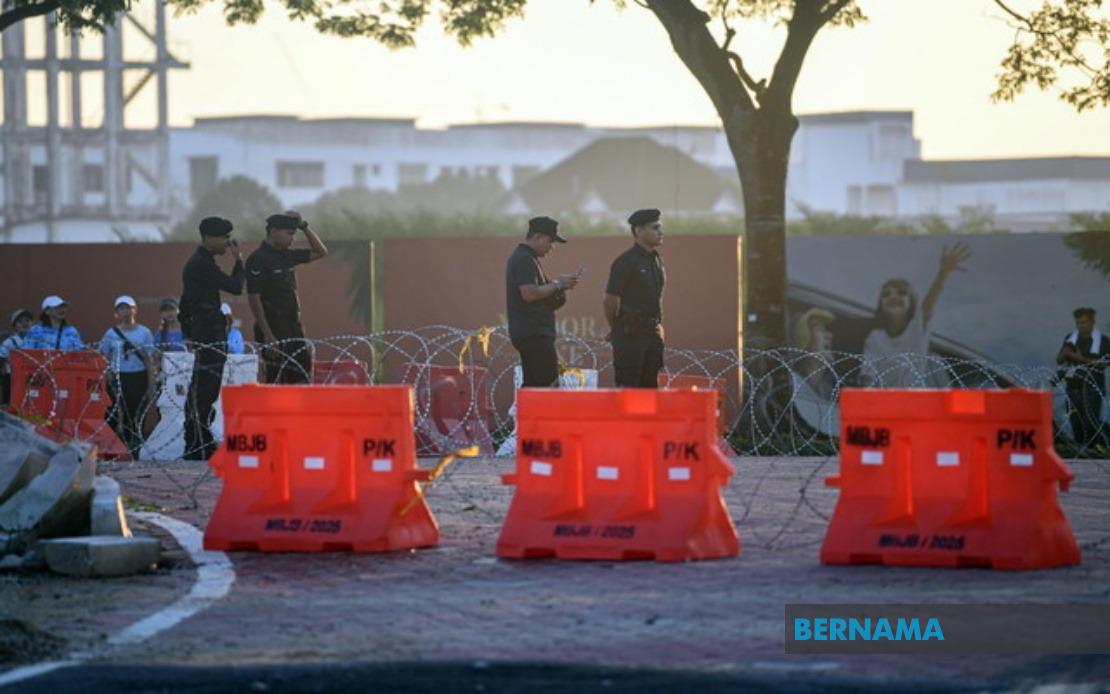
The nomination day for Johor's 16th state election proceeded in orderly fashion across 56 polling centres throughout the state on June 27, with clear morning conditions providing an auspicious backdrop for the democratic exercise. Election Commission officials and security personnel were positioned at all nomination venues to ensure the process maintained its integrity and ran without disruption. Party supporters began arriving at some centres from as early as 7.30am, creating an atmosphere of engagement as candidates formally submitted their nomination documents during the designated 9am to 10am window.
The Election Commission had orchestrated comprehensive preparations at each of the 56 nomination post centres, with officials conducting final checks and arrangements in the hours immediately preceding the opening of nomination submissions. The presence of uniformed security personnel at all voting locations underscored the importance attached to maintaining public order and ensuring that the nomination process, a critical first hurdle in any electoral contest, proceeded without incident or irregularity. This level of preparation reflects the institutional maturity that Malaysia's election management apparatus has developed over multiple electoral cycles.
Weather forecasts from the Malaysian Meteorological Department suggested that morning conditions would remain favourable across most Johor districts, though the afternoon outlook pointed to the possibility of thunderstorms in scattered areas. Such predictable weather patterns are typical for Peninsular Malaysia during the monsoon transition period and tend not to significantly deter voter participation or candidate activities. The early morning sunshine and relatively dry conditions throughout the nomination window created optimal circumstances for the logistical coordination required to process nomination papers from numerous candidates across the sprawling state.
The Johor State Legislative Assembly comprises 56 seats, each of which will be contested in the upcoming election. The state assembly was formally dissolved on June 1, setting in motion the statutory timeline that culminated in this nomination day. The Election Commission subsequently announced that early voting would take place on July 7, with the main polling day scheduled for July 11. This compressed electoral calendar, spanning just over a fortnight from nomination to polling day, requires coordinated effort from both the commission and political parties to ensure all candidates and voters are properly prepared.
The electoral register for this contest reflects Johor's substantial population and demographic diversity. A total of 2,727,926 registered voters are entitled to participate in the election, comprising 2,703,175 ordinary voters drawn from the general civilian population. Additionally, 12,041 military personnel and their spouses, along with 12,710 police personnel and their spouses, have been registered as eligible voters. This inclusion of uniformed services personnel within the electoral process demonstrates the democratic principle that citizenship duties extend across all sectors of Malaysian society, including those serving in security and defence roles.
The orderly atmosphere observed at nomination centres reflects both the maturity of Malaysia's electoral processes and the familiarity that political parties and candidates have developed through multiple election cycles. Party machinery has become increasingly sophisticated in organising supporter gatherings and managing the logistics of nomination submissions, reducing the likelihood of disruptive incidents during this formal stage. The early arrival of supporters at several centres, beginning before official opening hours, indicates the enthusiasm that electoral contests continue to generate among the political base in Johor, a state that has historically been a significant political battleground.
Johor's significance within Malaysia's broader political landscape cannot be overstated. As one of the largest and most populous states on the peninsula, the outcome of its state election carries implications that extend beyond regional boundaries. The composition of the Johor State Legislative Assembly influences not only state-level governance and resource allocation but also shapes the broader balance of political forces within the federation. Political analysts typically scrutinise Johor election results as a barometer of shifting voter sentiment, particularly regarding the performance of the ruling coalition and the viability of opposition alternatives.
The nomination process itself represents a crucial filtering mechanism within Malaysia's electoral system. Candidates must meet specified constitutional requirements and procedural conditions to have their nominations accepted, including the gathering of requisite numbers of proposers and seconders from within their respective constituencies. This day of simultaneous nomination across all 56 constituencies therefore witnessed not merely administrative processing but the formal crystallisation of the electoral contest, as nominated candidates became official contenders entitled to campaign for voter support.
The security arrangements visible at all nomination centres reflect contemporary concerns regarding electoral integrity and public order. While Malaysia has not experienced significant disruptions during recent elections, the deployment of trained personnel at voting locations serves multiple functions: ensuring that nomination papers are processed correctly according to commission guidelines, preventing any unauthorised access to official materials, and providing visible reassurance to candidates and observers that proper procedures are being followed. This visible security presence has become a standard feature of Malaysian electoral practice, contributing to public confidence in the fairness and competence of the electoral administration.
Looking ahead to the intensive campaign period between nomination day and the July 11 polling date, candidates and their respective political organisations face the challenge of mobilising voter support within a condensed timeframe. The two-week campaign window requires efficient deployment of resources, strategic messaging, and effective ground organisation. In Johor's highly competitive political environment, where voters have demonstrated shifting preferences across recent election cycles, the coming fortnight is likely to witness intensive political activity as parties seek to consolidate existing support and persuade undecided voters to back their candidates.

