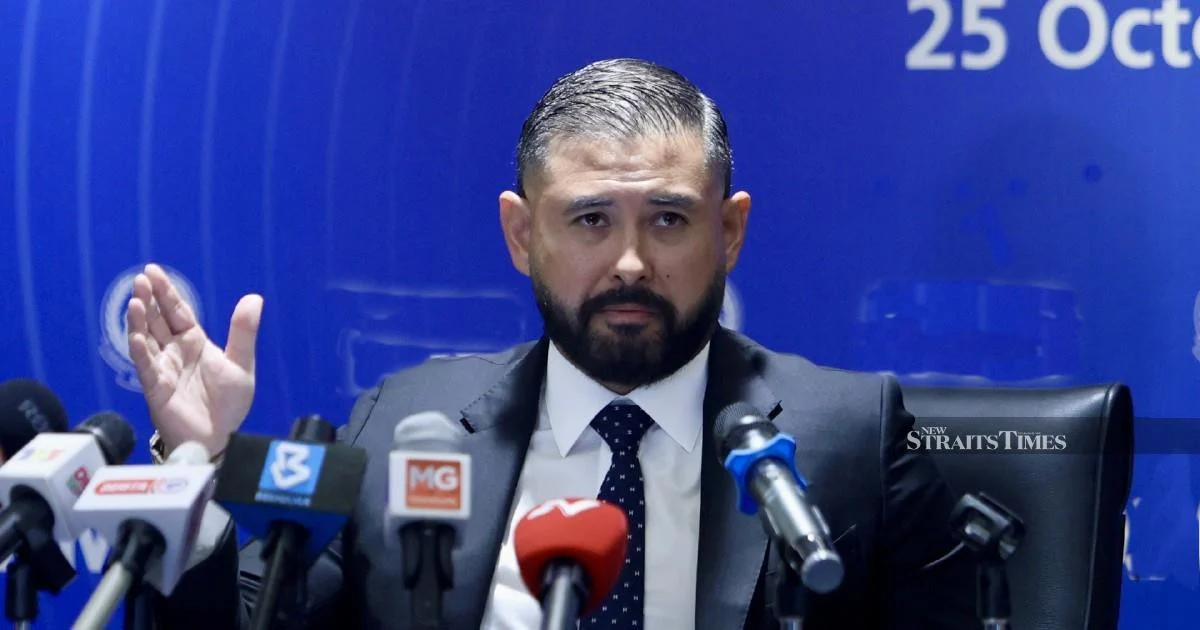
Johor's Regent Tunku Ismail Sultan Ibrahim has publicly contested the prime minister's recent characterization of the state as a prosperous but leaky entity, reframing the discussion around state revenue distribution. Rather than accepting the narrative that internal inefficiencies are draining Johor's finances, the regent has pointed to the federal government itself as the principal obstacle to fair revenue flows back to the state.
The regent's statement represents a significant pushback against the government's framing of Johor's financial challenges. When the prime minister previously described Johor as wealthy yet beset by substantial leakages, he implied that the state's own administrative and governance issues were responsible for revenue losses. This characterization placed blame squarely on state-level management and suggested that better internal oversight could resolve the funding gap. However, Tunku Ismail's intervention rejects this premise entirely, instead suggesting that the root cause lies in Kuala Lumpur's approach to intergovernmental fiscal transfers.
The dispute touches on a perennial tension in Malaysian federalism: the relationship between the centre and the states over revenue sharing and resource allocation. Johor, as one of Malaysia's most economically significant states with substantial natural resource wealth, has long occupied a particularly sensitive position in these negotiations. The state generates considerable tax revenue and possesses valuable assets, yet the extent to which that prosperity actually benefits state coffers depends heavily on federal policy decisions regarding what revenues are collected centrally versus retained locally.
The regent's rebuttal suggests that revenue is leaving Johor not through wasteful expenditure or corruption—the typical meaning of "leakage" in policy discussions—but rather through structural mechanisms inherent to the federal fiscal system. This could refer to federal taxation that originates in Johor but is consolidated into the national budget, federal grants that fall short of what the state believes it is entitled to, or the mechanics of how natural resource revenues are distributed between state and federal authorities. Understanding precisely which mechanisms the regent considers problematic is crucial to assessing his argument.
Johor's economic position lends particular weight to this dispute. As a state that contributes substantially to national GDP and houses significant port infrastructure, petrochemical facilities, and manufacturing operations, it commands attention in federal budget deliberations. Any state official challenging the federal government's characterization of their financial position signals that these negotiations are not settled matters but ongoing points of contention. The regent's intervention elevates what might otherwise remain an administrative debate into a public statement of principle about state rights and federal obligations.
This disagreement also reflects broader anxieties about state autonomy within Malaysia's constitutional framework. States retain certain revenue-raising powers and are entitled to federal allocations, but the balance between central control and state discretion remains contested. The regent's pushback against the "leakage" narrative is implicitly an argument for greater recognition of Johor's autonomy and a more generous interpretation of what the state should receive from the federal system. It signals that the regent views Johor not as a dependent recipient of federal largesse but as a significant economic contributor whose fair share is being inadequately recognized.
For Malaysian political observers, the timing and tone of the regent's statement warrant careful consideration. Royal statements on fiscal matters are uncommon and typically carry considerable weight within political circles. By choosing to refute the prime minister's characterization directly, rather than allowing state government officials to do so, the regent has elevated the profile and seriousness of the dispute. This suggests frustration at the federal government's framing and a determination to establish an alternative narrative before it becomes accepted policy wisdom.
The implications extend beyond Johor itself. If the federal government is indeed retaining revenues that should flow to the states, this affects all thirteen Malaysian states to varying degrees. Johor's decision to challenge this publicly could embolden other state administrations to examine their own fiscal relationships with the centre. It may also influence upcoming budget negotiations and discussions around federal grants and revenue-sharing formulas.
Additionally, the dispute touches on questions about fiscal transparency and the mechanisms through which Malaysians can verify claims about where their tax money actually goes. When a regent and a prime minister offer contradictory explanations for a state's financial position, the public interest in clarifying the facts becomes acute. Independent analysis of Johor's revenue streams, federal withdrawals, and the comparative position of other states could help establish whether the regent's contention—that federal retention rather than state leakage is the primary issue—has merit.
Looking forward, this public disagreement will likely influence how Johor negotiates with the federal government on fiscal matters. The regent has signalled that his administration will not passively accept unfavourable federal characterizations. Whether this leads to productive renegotiation of the fiscal relationship or hardens positions on both sides remains to be seen. What is clear is that Johor's relationship with the federal government on financial matters is now a matter of active political contestation, with the regent firmly defending his state's interests and challenging the narrative emanating from Putrajaya.

