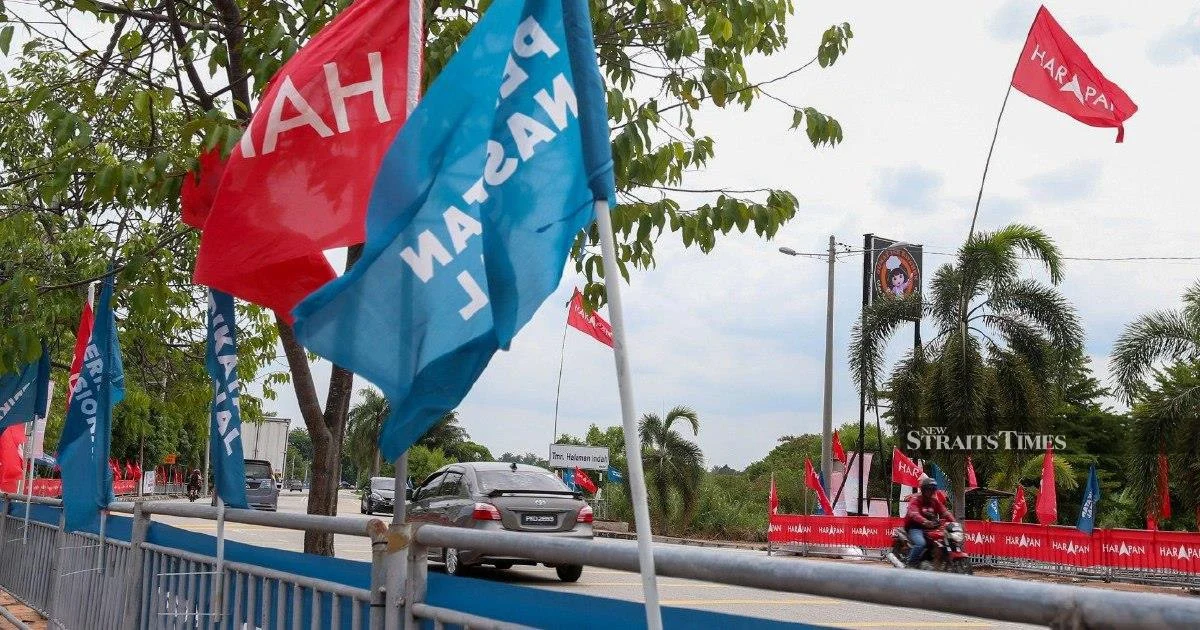
The machinery of Johor's electoral process shifted into motion today as nomination day formally opened the contest for the 16th state election, with all 56 constituencies across the state now ready to receive candidate submissions. This pivotal administrative step marks the official beginning of the political campaign season, transitioning what has been weeks of behind-the-scenes preparation by political parties into public view across Malaysia's second-most populous state.
Nomination day serves as the constitutional gateway through which aspiring legislators must pass before they can compete for seats in the Johor state assembly. All registered political parties and independent candidates must lodge their formal candidature papers within the designated timeframe, a process overseen by the Election Commission to ensure compliance with constitutional and electoral regulations. This administrative requirement establishes the official roster of contenders who will contest the election, determining the ultimate scope and nature of the race ahead.
With 56 state constituencies up for grabs, the Johor election represents a significant electoral undertaking that will reshape the political landscape in one of Malaysia's most strategically important states. Johor, as the southern anchor of peninsular Malaysia and a major economic hub, holds considerable weight in national politics. The outcome of this state election will have ripple effects across Malaysian politics, particularly given the state's influence on broader coalition dynamics at federal level.
The nomination process unfolds across multiple venues throughout Johor, with designated returning officers stationed at various locations to process candidate submissions. Political parties have been preparing their candidate lists for weeks, engaging in internal deliberations to select nominees they believe can best represent their interests in each constituency. The quality and credibility of nominated candidates often signal a party's confidence in its prospects and strategic priorities within the state.
Johor has historically served as a testing ground for Malaysian political dynamics, given its mixed urban-rural composition and diverse demographic profile. The state's electorate spans from the bustling urban centres of Johor Baru and Iskandar Puteri to rural and semi-rural areas with distinct economic interests and community concerns. This heterogeneity means that different constituencies face vastly different electoral considerations, from urban development and cost of living pressures to agricultural policies and rural infrastructure investment.
The nomination day proceedings will continue throughout the designated period, with the Election Commission managing the intake of candidature documents and verifying that all submissions meet statutory requirements. Parties that fail to properly nominate candidates or miss deadlines will find their electoral participation either restricted or entirely excluded from affected constituencies. This administrative rigour underscores the structured nature of Malaysian electoral processes, which operate within clearly defined constitutional and procedural frameworks designed to ensure fairness and transparency.
Political observers across Malaysia are closely monitoring the candidate nominations emerging from Johor, as they will provide early clues about strategic priorities, coalition arrangements, and confidence levels among competing parties. The calibre of candidates nominated in marginal constituencies is particularly significant, as parties typically field their most capable contenders in seats where the outcome remains uncertain. Conversely, nominations in stronghold constituencies may reveal parties' willingness to invest in consolidating advantages or challenge their opponents' traditional bases.
Johor's electoral significance extends beyond state-level considerations. The state serves as a crucial support base for multiple political coalitions operating at national level, and state-level results often influence federal political calculations. Senior national leaders frequently campaign in important Johor constituencies, recognising that strong performance here strengthens their hand in broader Malaysian politics. The nominations announced during this period will therefore be parsed not only by Johor voters but by political analysts and commentators across the country.
The nomination process also represents a moment of transparency in Malaysian democracy, where political parties publicly declare their choice of representatives. These nominations can sometimes generate controversy or surprise, particularly when established figures are dropped in favour of new candidates or when unexpected contestations emerge. Such developments often trigger public discussion about party dynamics, leadership confidence, and strategic recalibration within political organisations.
As nomination day progresses across Johor's 56 constituencies, the composition of candidates will gradually become clear, establishing the terms on which the election campaign will be contested. Electoral management agencies will work to process all nominations efficiently while maintaining the integrity of the process. Once nomination day concludes and the official roster of candidates is finalised, the state election machinery will transition to the campaign phase, when political parties intensify their efforts to persuade voters through rallies, canvassing, advertising, and media engagement.
The road from nomination day to polling day typically spans several weeks, a period during which the competitive dynamics outlined by candidate nominations will be tested against voter sentiment. Johor's diverse electorate will ultimately determine which candidates and parties succeed, making the quality of nominations filed today a crucial determinant of the state's political future. The formal commencement of this process marks a critical juncture in Johor's democratic calendar.

