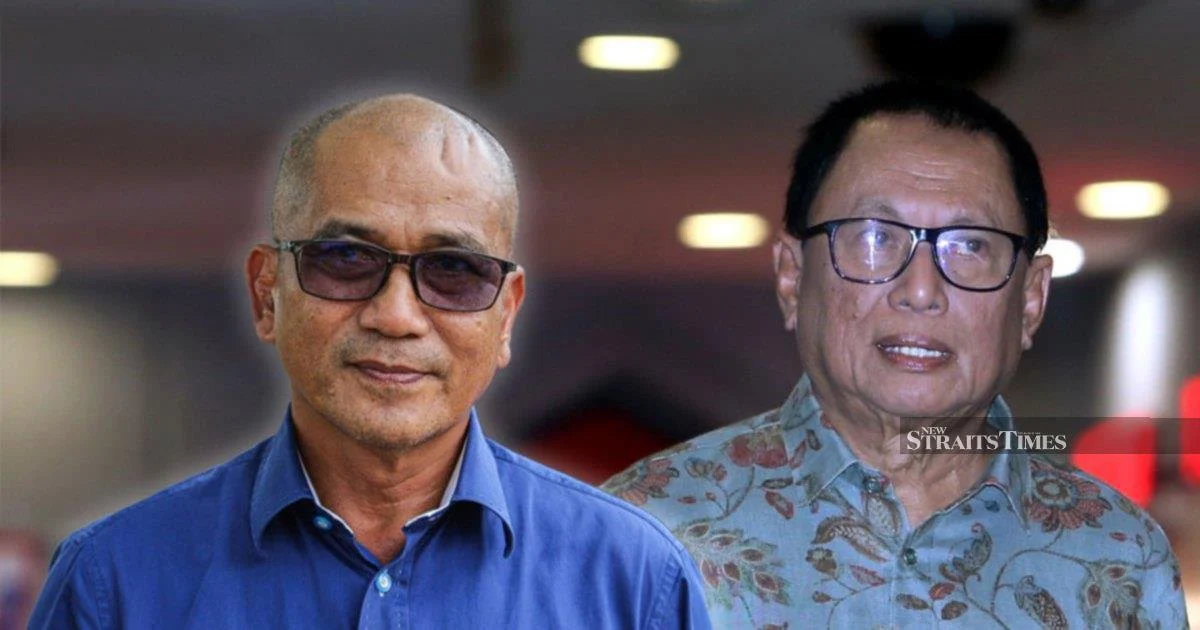
The Johor state chapter of Umno has moved swiftly to discredit accusations levelled by former legislative assembly speaker Datuk Dr Mohd Puad Zarkashi regarding the dissolution of the Johor state assembly on June 1. Party leaders have characterised the former speaker's allegations as grave slander devoid of factual foundation, signalling an escalation in internal political tensions within Malaysia's second-largest state.
The dissolution of the Johor state assembly represents a pivotal moment in the state's recent political trajectory, as it triggered the need for fresh elections and reconfigured the provincial political landscape. The timing and circumstances surrounding this constitutional action have become a flashpoint for competing interpretations within Umno circles, with Puad Zarkashi's public statements evidently contradicting the official party narrative maintained by current state leadership.
For Malaysian observers, this dispute underscores the persistent factional dynamics within Umno despite the party's broader efforts at unity and consolidation. The organisation, which has dominated Malaysian politics for decades, continues to grapple with internal disagreements that periodically surface in public statements and counter-statements from prominent figures. The clash between Puad Zarkashi and the state Umno establishment reflects deeper ideological or strategic differences that extend beyond the immediate June 1 event.
Puad Zarkashi's former position as legislative assembly speaker grants his statements particular weight in political discourse, as his tenure provided him with institutional insights into parliamentary procedures and inter-party arrangements. However, his post-retirement commentary has positioned him as a potential critic of current administration decisions, a role that current Umno leadership appears determined to neutralise through vigorous public denial and character challenge.
The state Umno's categorical rejection of these allegations indicates that party officials believe the accusations pose a reputational threat that demands immediate and forceful response. By labelling the claims as slander, state leaders are framing this as a matter of honour and institutional integrity rather than mere policy disagreement, thereby raising the rhetorical stakes of the exchange.
For stakeholders across Johor and Peninsular Malaysia more broadly, this spat between Umno figures carries implications for party cohesion heading into future electoral cycles. When senior party members engage in public disputes without achieving swift reconciliation, it creates openings for opposition parties to capitalise on perceptions of internal discord and weakened leadership credibility among the electorate.
The specific circumstances surrounding the June 1 dissolution decision remain central to this controversy. The decision to call for fresh elections in Johor carries significant political consequences, affecting not only state-level governance but potentially influencing calculations at the federal level given Johor's substantial parliamentary representation. Disputes over the justifications for such decisions can become magnified when former institutional figures like Puad Zarkashi publicly question their propriety.
This confrontation also illuminates the broader challenge facing Umno in managing its internal diversity of opinion. As the coalition government has navigated complex political terrain since 2020, various Umno leaders have maintained differing assessments of the party's strategic direction and the appropriate response to evolving political circumstances. Public disputes between elder statesmen and current officeholders risk projecting an image of disunity that the party's carefully cultivated public relations apparatus seeks to avoid.
Moving forward, the trajectory of this dispute will depend partly on whether Puad Zarkashi chooses to substantiate his claims with additional public statements or evidence, and whether Johor Umno leadership decides to pursue formal channels such as party disciplinary procedures or legal remedies. The intensity and duration of this exchange will likely influence how both state and federal Umno leadership address internal grievances in the future.
The broader political ecosystem in Malaysia remains attentive to such developments within Umno, as the party's internal dynamics continue to reshape the calculus of coalition politics at both state and national levels. For Johor specifically, questions about the legitimacy and rationale behind major constitutional actions such as assembly dissolution carry genuine significance for understanding how power operates within the state apparatus and how competing visions for governance are negotiated among the political elite.

