The nomination phase of Johor's 16th state election unfolded without disruption across its 56 polling stations on June 27, marking a stable start to the electoral calendar that will culminate in a July 11 election. The peaceful conduct of nominations sets the tone for what observers will be watching closely as a significant test of electoral management in Malaysia's southern state, one of the nation's most politically significant regions.
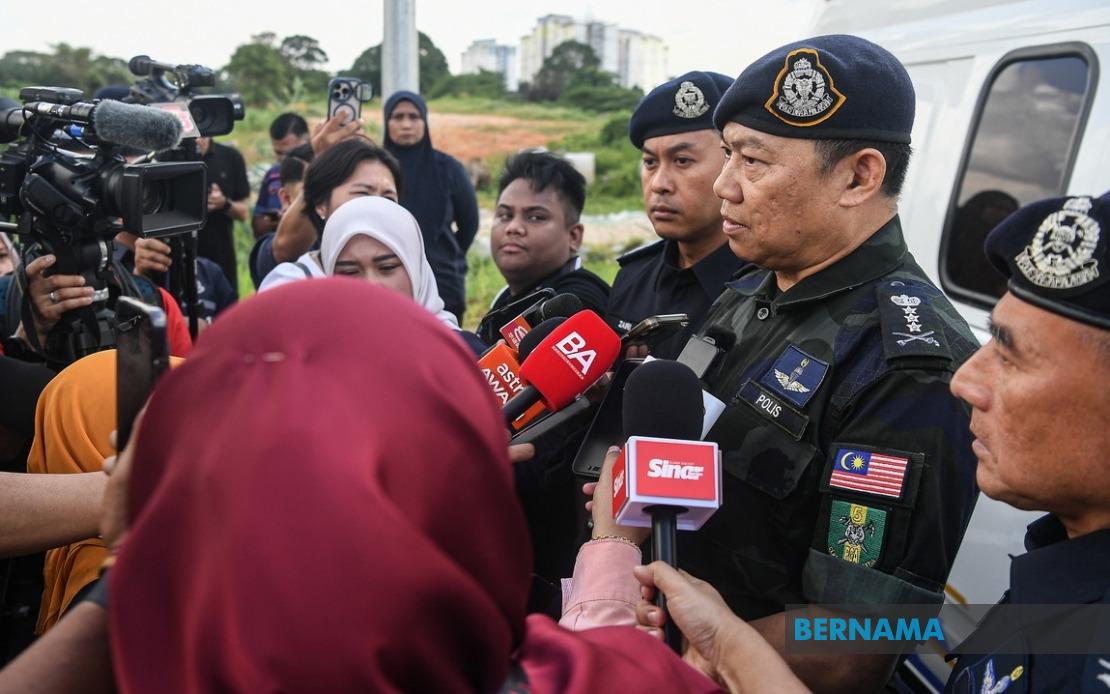
Johor Police Chief Datuk Ab Rahaman Arsad confirmed the incident-free nature of the day's proceedings, emphasizing that law enforcement received no reports of disturbances or breaches capable of compromising the nomination workflow. This assurance came after the police chief conducted an on-site inspection of the Puteri Wangsa nomination centre at Sekolah Menengah Kebangsaan Bandar Dato Onn, allowing him to observe firsthand how the machinery of democratic participation was functioning.
The smooth operation depended heavily on a substantial security presence. Police mobilized 4,832 officers and personnel throughout Johor to maintain order and safeguard the integrity of the nomination process. This figure underscores the seriousness with which authorities approached the task of managing a statewide electoral event, recognizing that the early stages of any election require vigilant oversight to prevent friction between competing political interests from escalating into confrontation.
With nominations completed, the Election Commission has established a clear calendar for subsequent phases. Early voting has been scheduled for July 7, giving a four-day window between the close of nominations and this preliminary voting opportunity, before the main polling day arrives on July 11. This timeline provides candidates and their machines adequate space to conduct campaign activities while maintaining a manageable electoral calendar.
In a move reflecting official confidence in the registration phase, authorities have already processed 26 campaign permits across Johor, with expectations that additional permits will be issued as the formal campaign period progresses. These approvals allow registered political parties and their candidates to conduct rallies, roadshows, and other public campaign activities within a regulated framework designed to prevent uncontrolled proliferation of events that could strain public resources or create security concerns.
Police leadership took the opportunity to remind all contesting parties and candidates of their legal obligations during the campaign phase. Datuk Ab Rahaman stressed the importance of conducting campaign activities responsibly and in strict compliance with Malaysia's election laws and regulations, signaling that enforcement will be vigilant during the weeks ahead. This messaging aims to establish expectations early, positioning law enforcement as impartial guardians of the electoral process rather than partisan actors.
The police chief also issued explicit warnings against actions that could compromise public order and safety. Given Malaysia's complex ethnic and religious demographics, and Johor's particular political significance as a state where federal and state governments have at times been controlled by different coalitions, the maintenance of orderly conduct carries heightened importance. Police preparedness to respond to any disturbances was underscored, though the smooth nomination day suggests that the political climate entering the campaign phase remains stable.
For Malaysian observers and international watchers of Southeast Asian electoral processes, the successful management of Johor's nomination day provides a positive indicator about the state's institutional capacity to conduct multi-party elections. The heavy police deployment and absence of incidents reflects a recognition that electoral periods require active management and that the Rule of Law remains operationalized through security force coordination.
The Johor election assumes particular significance within Malaysia's broader political landscape. As the home state of Datuk Seri Zahid Hamidi and historically a stronghold of the United Malays National Organisation (UMNO), outcomes in Johor carry weight beyond state-level implications, potentially signaling voter sentiment relevant to national politics. The smooth nomination process therefore represents an encouraging sign for the institutional machinery's ability to manage what many observers expect to be a closely contested election.
Looking ahead to the campaign period beginning in early July, the precedent set on nomination day—of peaceful political competition within a framework of security and legal oversight—suggests that Johor's electoral process can proceed constructively. The combination of clear legal parameters, adequate security resources, and early warnings to political participants appears designed to prevent the kind of incidents that could undermine public confidence in the electoral outcome.
For voters across Johor's constituencies, the nomination day's success represents reassurance that their participation in the electoral process will occur within a secure and orderly environment. The next phase will test whether this stability persists through the more heated campaign period, where competing parties vie aggressively for voter support and the emotional temperature of political competition typically rises considerably.

