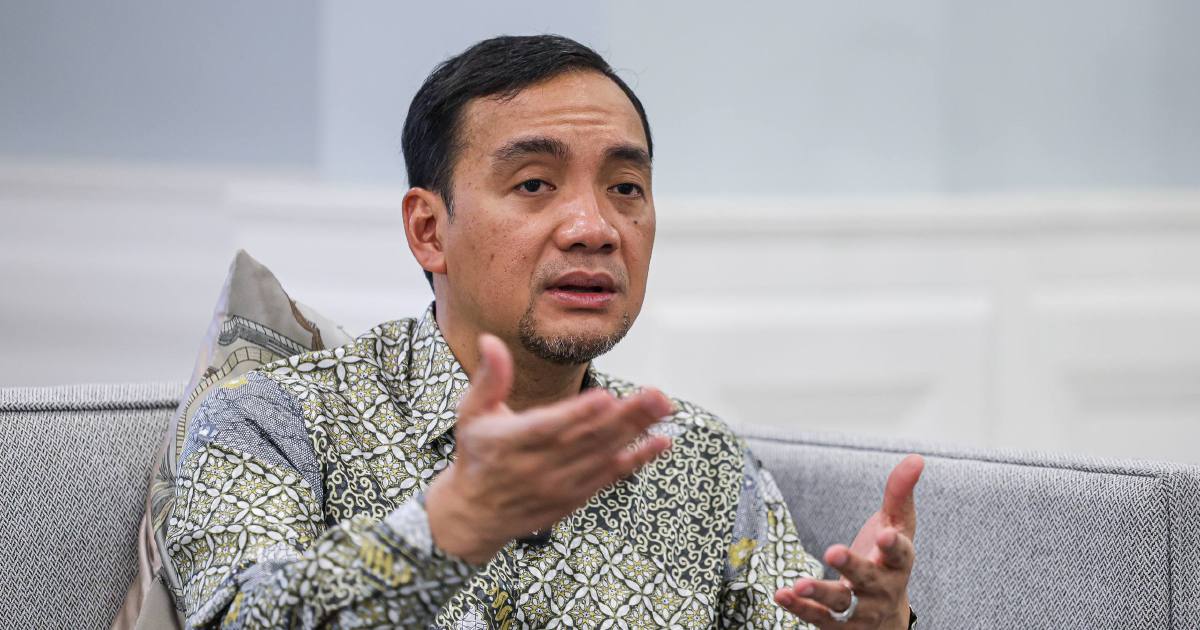
The Johor palace has moved to establish clear expectations for political conduct ahead of the state's electoral contest, with both His Majesty Sultan Ibrahim and the Regent Tunku Mahkota Ismail expressing concern about the tone of political discourse. According to Johor Barisan Nasional chairman Datuk Onn Hafiz Ghazi, the royal leadership has communicated directly that politicians must refrain from personal assaults and inflammatory rhetoric during the campaign period. This intervention reflects growing anxieties among Johor's traditional power structures about maintaining institutional dignity and public order during a period of heightened political activity.
The timing of the palace's intervention carries particular significance given Malaysia's political environment, where state-level contests have increasingly become proxies for national political tensions. Johor, as one of the nation's largest and most populous states, carries outsized influence in national politics and serves as a critical battleground for all major political coalitions. When the royal institution signals concern about campaign standards, it sends a message that extends well beyond state boundaries, effectively endorsing a standard of conduct that ought to govern electoral competition across the country. The fact that both the King and the Regent felt compelled to weigh in suggests the palace has observed troubling patterns in recent political communication.
Personal attacks have become increasingly prevalent in Malaysian electoral contests, driven partly by the intensification of social media as a campaigning tool and the fragmentation of the traditional media landscape. Candidates and their supporters now operate with minimal editorial gatekeeping, enabling rapid escalation of rhetoric that might once have been filtered or moderated by established news organisations. The palace's appeal implicitly acknowledges this evolution and signals that traditional institutions are concerned about democratic standards being eroded by contemporary campaign tactics. By positioning themselves as arbiters of propriety, the King and Regent are reasserting the monarchy's role as custodian of national values.
The warning carries practical implications for how political organisations conduct themselves in Johor. Datuk Onn Hafiz's public relay of the palace message serves as notice that offensive behaviour will be viewed unfavourably by the state's highest authorities. For ruling coalitions like Barisan Nasional, adherence to such standards becomes a matter of political alignment with royal preferences. For opposition parties, the palace directive creates a difficult calculation: appearing uncivil risks alienating swing voters and inviting royal displeasure, yet overly cautious conduct might be perceived as weakness during a campaign where passion and energy traditionally drive voter mobilisation.
This intervention also reflects a longer-running pattern in Malaysian politics where the monarchy has gradually assumed a more active political voice, particularly at moments when institutional stability appears threatened. The palace has previously intervened during constitutional crises and periods of acute political instability, but increasingly it comments on matters of political conduct and democratic standards. Johor, with its particular historical relationship to the Sultanate and Tunku Mahkota Ismail's prominent role as a potential future national leader, represents a jurisdiction where palace guidance carries exceptional weight. The state has been a testing ground for new political coalitions and arrangements, making its conduct a bellwether for national political norms.
The appeal to civility must be understood within the broader Malaysian discourse about social cohesion and institutional respect. Senior political leaders across the spectrum have periodically emphasised the need for responsible campaigning, yet enforcement mechanisms remain limited. Unlike some democracies with dedicated electoral commissions possessing substantial enforcement powers, Malaysia's Election Commission has primarily focused on technical aspects of electoral administration rather than policing campaign conduct. The palace's intervention somewhat compensates for this institutional gap by leveraging moral authority and historical legitimacy to encourage voluntary compliance with standards of decorum.
For Malaysian readers and particularly those in Johor, the palace's guidance carries implications for everyday political life during the campaign period. Citizens will increasingly encounter messaging that navigates the tension between vigorous political advocacy and respectful disagreement. The palace directive suggests that the state's leadership views respect for institutional norms and civility in political discourse as prerequisites for legitimate electoral competition. This framing distinguishes between substantive political debate, which the palace presumably welcomes, and personal attacks or inflammatory rhetoric, which it explicitly discourages.
The intervention also highlights how Malaysia's constitutional monarchy navigates contemporary democratic challenges. Rather than wielding coercive authority, the palace relies on moral suasion and public appeals to influence political behaviour. This approach respects the independence of electoral competitors while signalling that certain standards of conduct reflect national values beyond partisan considerations. The King and Regent's joint appeal essentially positions them as defenders of democratic legitimacy itself, suggesting that electoral competitions conducted without civility ultimately undermine the system's credibility and public acceptance.
Looking forward, the effectiveness of this palace intervention will depend on whether political organisations internalise the message or treat it as a temporary constraint to be acknowledged publicly while continuing problematic practices privately. The warning's real force lies in its communication of royal disapproval; political leaders know that visible violations of the palace's civility plea carry reputational costs beyond the immediate campaign. For opposition parties particularly, demonstrating that they can campaign vigorously while respecting the palace's call for decorum becomes a way to position themselves as fit stewards of state institutions if elected to power. The palace's intervention thus creates incentives for improved behaviour across the political spectrum, though only time will reveal whether these incentives prove sufficient to alter established campaign practices.

