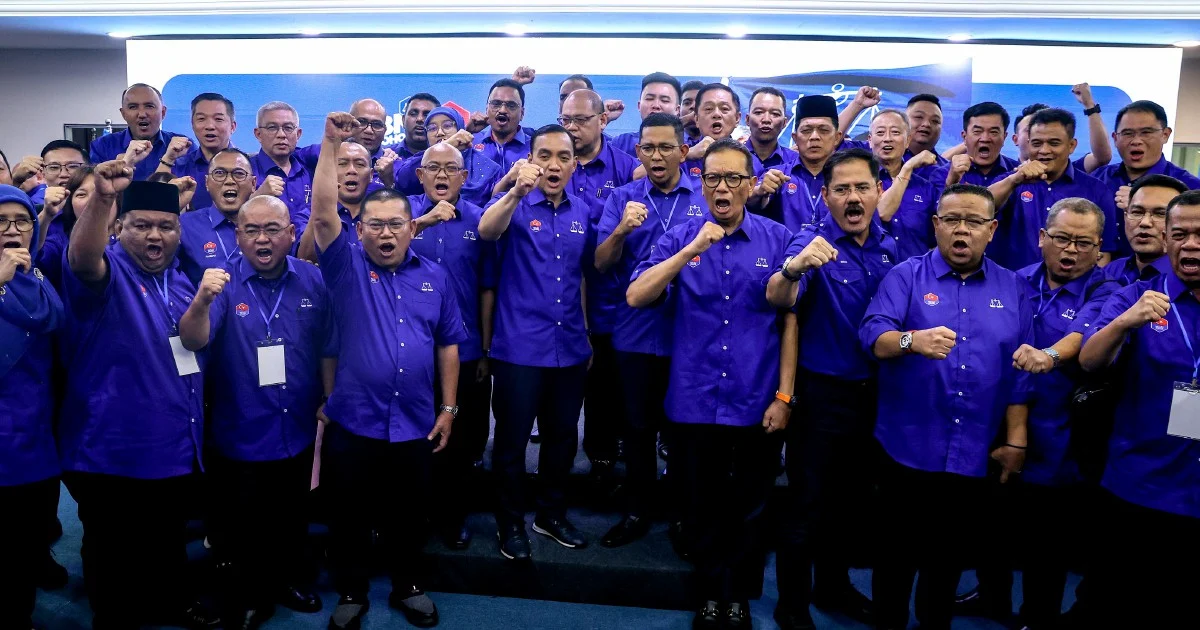
The Johor state election campaign took a decisive turn when Barisan Nasional unveiled its full roster of candidates, conspicuously omitting any senior Parti Wawasan Negara representatives. The announcement in Johor Baru effectively extinguished weeks of political chatter suggesting a three-way coalition arrangement that would have united Malaysia's largest political alliance with the Islamic opposition and the newer centrist party.
For observers tracking Johor's political dynamics, the snubbing of Wawasan leadership signals BN's confidence in contesting the state independently. Rather than sharing seats through a formal alliance structure, BN chose to field candidates across all contested positions, effectively reserving the state for its own component parties. This decision reflects the coalition's assessment that it can secure a majority without additional coalition partners, a calculation that underscores the shifting landscape of Malaysian electoral politics.
Speculation about a Wawasan-BN-PAS arrangement had gained traction among political analysts in recent weeks, fuelled by various informal discussions and media reports. Parti Wawasan Negara, established in 2023, had been positioning itself as a viable alternative to both the longstanding coalitions, particularly appealing to centrist voters concerned about polarisation. The exclusion from BN's candidate list represents a significant setback for the fledgling party's ambitions to expand its presence beyond its existing foothold.
The BN decision carries particular implications for Johor, Malaysia's southernmost state and home to some of the nation's most competitive electoral contests. As a political bellwether, outcomes here often presage broader national trends. By opting for a go-it-alone strategy rather than coalition-building, BN is making a statement about its perceived organisational strength and voter appeal. This approach differs markedly from the more open coalition architecture that has characterised recent federal and other state elections.
PAS's position in this equation warrants scrutiny as well. While historically aligned with Umno in Peninsular states, PAS maintains its own candidate machinery and strategic calculations. The absence of formal cooperation frameworks in Johor—neither a full three-way coalition nor clearly demarcated seat-sharing arrangements—leaves room for competition that could fragment the anti-opposition vote in certain contests. Such fragmentation has cost both conservative coalitions dearly in previous elections across Malaysia.
Wawasan's exclusion highlights the precarious position of new political entrants in Malaysia's competitive landscape. Without the institutional infrastructure and voter networks of established parties, newer formations struggle to command negotiating power in coalition discussions. Despite its moderate positioning and appeal to a distinct demographic segment, the party lacks the machinery to translate electoral interest into seat-winning capacity. For BN strategists, including Wawasan would have diluted the coalition's clearer messaging and complicated logistics.
The candidate announcement also reflects internal calculations within BN's component parties, particularly Umno, which holds dominant sway in Johor. The state party apparatus sought to maximise opportunities for its own candidates and those of allied component parties like MCA and MIC, rather than compromise by reserving constituencies for external partners. This emphasis on internal consolidation suggests confidence that existing BN strength suffices to retain or recapture the state government.
From a broader electoral strategy perspective, the decision underscores how Malaysian coalition politics remains fluid and responsive to local conditions. Unlike some democracies with institutionalised pre-election pacts, Malaysian coalitions often coalesce around specific elections or adjust their configuration based on competitive terrain. This flexibility can generate unexpected campaign dynamics, as parties navigate shifting alliances and tactical considerations state by state.
For Johor voters, the candidate lineup means a cleaner choice between established political forces rather than a fragmented multi-way race in most constituencies. This potentially favours parties with stronger ground organisation and voter familiarity. It also simplifies campaign messaging, as BN can focus its resources on confronting the primary opposition rather than managing coalition partners with divergent policy platforms. The clarity may advantage or disadvantage the opposition depending on their own strategic positioning and candidate quality.
Looking ahead, the outcome of the Johor election will provide crucial intelligence about voter sentiment regarding BN's governance record and opposition performance. Should BN succeed without Wawasan or explicit PAS cooperation, the party may feel emboldened to pursue similarly independent strategies in future contests, potentially reshaping Malaysian coalition politics. Conversely, any struggle despite fielding a full candidate slate could reinvigorate coalition-building discussions and increase bargaining power for parties like Wawasan seeking electoral relevance.
Wawasan's exclusion from the Johor campaign represents a missed opportunity for the party to establish a presence in one of Malaysia's most politically significant states. The episode illustrates how newer political formations must either build sufficient organisational capacity to merit coalition inclusion or identify distinct electoral niches where they can compete independently. For now, Wawasan faces an uphill journey to translate its political positioning into meaningful electoral representation.

