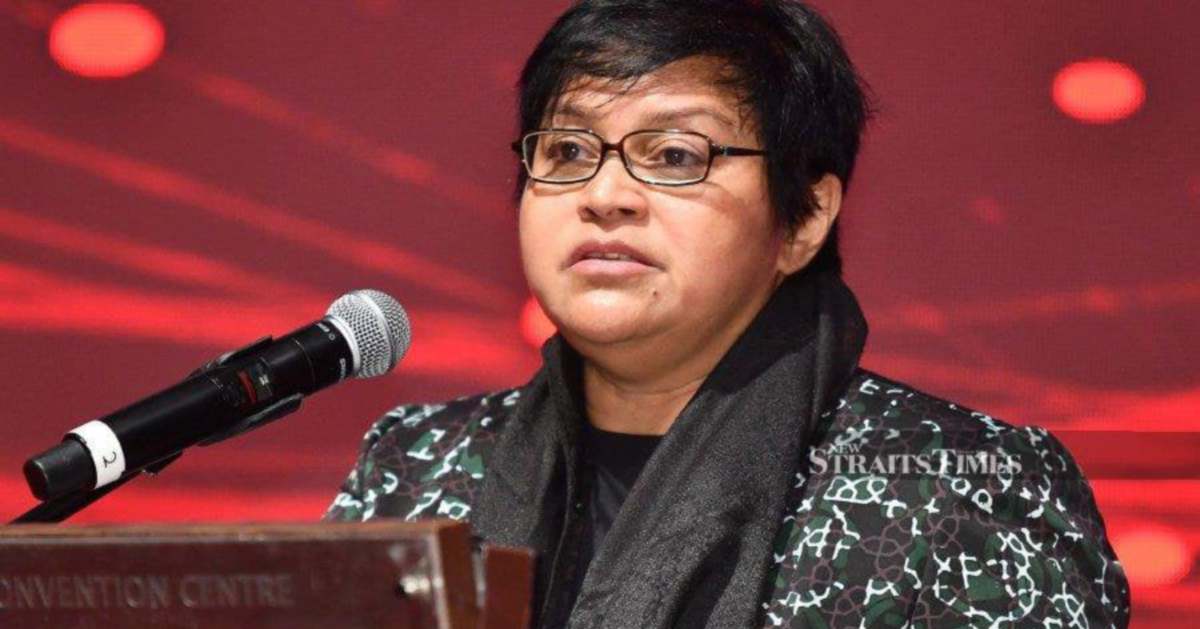
Premature coalition discussions could undermine the electoral process and distract voters from making informed choices at the ballot box, according to Umno information chief Datuk Seri Azalina Othman Said. Speaking from Putrajaya, the senior party figure stressed that any meaningful conversation about governing arrangements in Johor must be deferred until after election results are officially announced, signalling Umno's preference for allowing the democratic process to run its course without pre-emptive power-sharing negotiations.
The statement carries particular weight in Malaysia's current political landscape, where coalition arithmetic has become increasingly important following the fragmentation of the party system over the past decade. Johor, as the nation's second-most populous state and a traditional Umno stronghold, holds significant implications for national politics. The state's electoral outcome could influence the broader political narrative heading into potential federal-level negotiations, making the timing of coalition talks a strategic consideration for all involved parties.
Azalina's intervention reflects internal Umno deliberations about how to position itself ahead of Johor elections, demonstrating the party's recognition that public discourse around post-election arrangements can shape voter behaviour. When political parties openly discuss coalition possibilities before voting occurs, it can create confusion about electoral mandates and undermine the clarity of voter intentions. By advocating restraint, Umno appears to be signalling confidence in its competitive standing while attempting to frame the narrative around respecting electoral outcomes.
The Johor state assembly represents 56 constituencies, making it sufficiently large that no single party typically commands an outright majority. This structural reality has made coalition governments increasingly common across Malaysian states in recent years. However, the sequence and timing of how these coalitions emerge—whether negotiated before voting begins or assembled afterward—affects their legitimacy and stability in the eyes of both party members and the public.
Umno's traditional dominance in Johor has been tested in recent electoral cycles, with the opposition making significant inroads particularly in urban constituencies. The party's current positioning suggests it recognises the need to maintain focus on its campaign machinery rather than becoming entangled in premature power-sharing conversations that might alienate fence-sitting voters. Coalition talks conducted in the public sphere can inadvertently suggest that parties are more interested in securing office through negotiation than through competitive polling performance.
The broader principle Azalina articulates—that election results should precede coalition formation—aligns with democratic best practices where voter mandates theoretically guide government formation. Yet Malaysia's experience demonstrates that this principle operates more as an aspiration than a strict rule. Previous state elections have seen parties negotiate coalition arrangements both before and after voting, sometimes resulting in governmental structures that shifted the intended balance of political forces.
For Malaysian voters, particularly those in Johor, Azalina's statement underscores an important reality: the party they vote for may not be their eventual governing partner. This uncertainty, while inherent to coalition-based democracies, creates both risks and opportunities for political mobilisation. Some voters may feel empowered to vote according to local preferences, knowing coalition outcomes remain undetermined. Others might calculate their votes strategically, attempting to influence eventual coalition mathematics.
The Southeast Asian context adds another dimension to Johor's political situation. Neighbouring Singapore's Lee Hsien Loong government has closely watched Johor developments, given the state's geographic proximity and its role in cross-border economic arrangements. A government formation process perceived as transparent and voter-respecting strengthens confidence in institutional stability from both international observers and domestic stakeholders.
Azalina's remarks also signal potential fissures within Umno regarding coalition strategy. Different party factions may hold varying views about ideal coalition partners, whether Umno should lead coalitions or play supporting roles, and which issues should define any governing arrangements. By anchoring the discussion timeline to election results, the information chief may be attempting to suppress internal disagreements until such time as they can be resolved with reference to concrete electoral data rather than abstract principle.
The political calendar for Johor remains unconfirmed, adding to uncertainty about when voters will render their judgment. This timing question itself becomes strategically significant, as parties calculate campaign intensity, financial expenditure, and messaging strategies around different possible election dates. An announcement that coalition talks will follow election results might itself influence the optimal timing for elections from Umno's perspective.
Regional political observers note that Johor's outcome could signal broader trends affecting Malaysian politics heading toward a potential federal-level electoral cycle. A strong Umno performance in Johor would validate the party's post-2022 reconstructive efforts, while a weaker showing would energise rivals and complicate Umno's positioning in future national negotiations. This stakes-raising dynamic makes Azalina's insistence on maintaining electoral integrity through sequenced decision-making more than a procedural preference—it represents strategic positioning for a party aware that its actions set precedents and influence perceptions.
Moving forward, other parties will likely respond to Azalina's statement by either endorsing this principled approach or questioning whether Umno's rhetorical commitment to letting voters decide will translate into actual governance practices. The credibility of Malaysia's democratic institutions depends partly on whether political elites demonstrate consistency between pre-election rhetoric about respecting mandates and post-election behaviour in actually implementing them.

