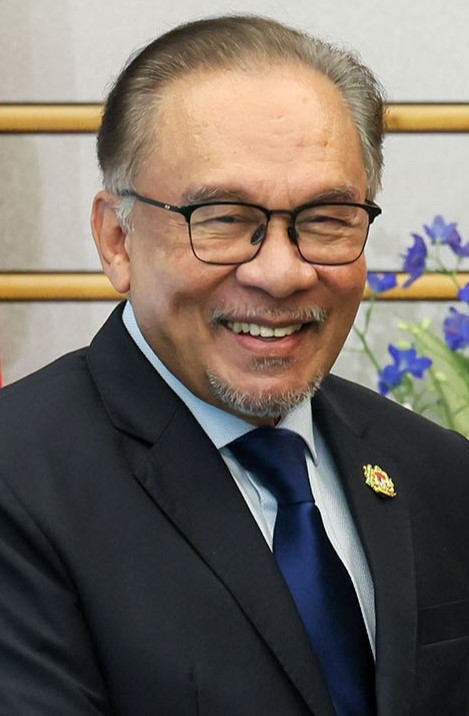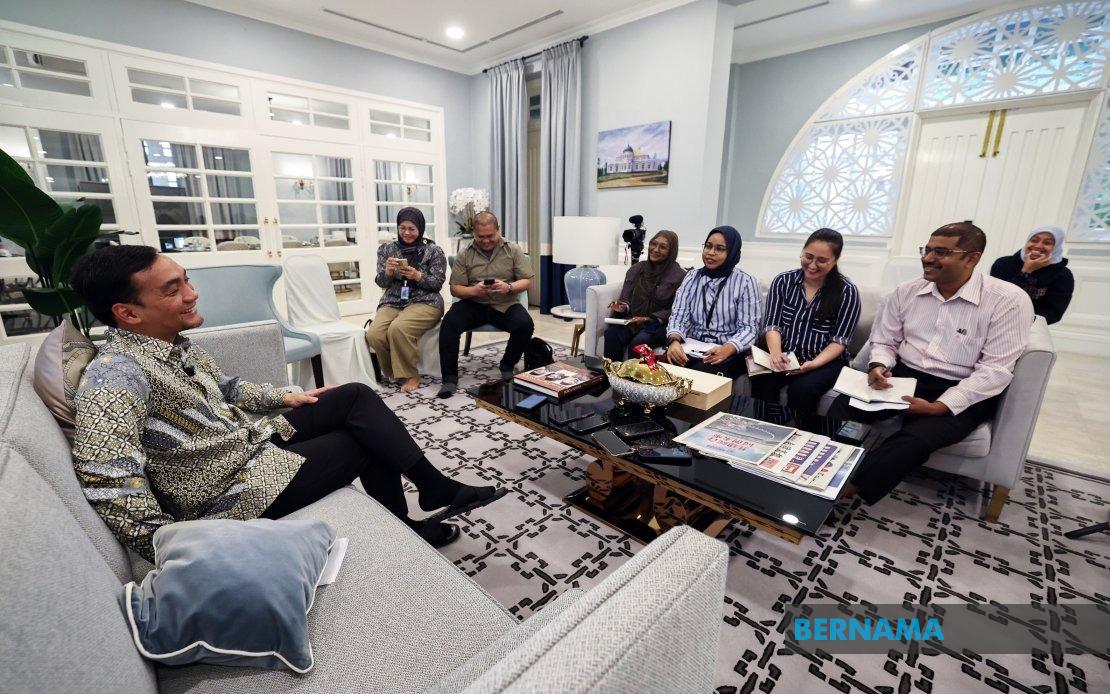
As Johor prepares for its July 11 state election, Barisan Nasional's leadership is sending a clear message to disappointed party members: selection as a candidate is not the sole pathway to meaningful political contribution. Johor Menteri Besar Datuk Onn Hafiz Ghazi addressed the concerns of those who will not feature on the ballot, emphasising that rejection from the current slate of candidates does not signal the end of their political journey within the coalition.
The selection process, Onn Hafiz explained, remains fluid even at this advanced stage. With candidate finalisation standing at approximately 80 per cent completion, the Machap assemblyman pointed out that circumstances can still shift before candidates formally receive their watikah—the official letters of appointment that seal their nomination. He cited precedent, noting that in previous elections, watikah letters have been withdrawn after initial issuance, underscoring the reality that nothing becomes definitive until that final bureaucratic step is executed. This fluidity may offer some consolation to hopefuls who fear their exclusion is permanent.
Onn Hafiz articulated a measured vision of candidate selection that extends beyond simple hierarchy or tenure within the party machine. The criteria governing choice, he outlined, deliberately span various professional backgrounds and do not impose age restrictions on contenders. Instead, the focus centres on identifying individuals with genuine community roots and standing within their respective constituencies. This approach reflects what he termed the "WALI" framework—candidates who are winnable, acceptable, and likeable—a standard previously endorsed by the BN president. In Onn Hafiz's calculus, youthful energy or advanced age matters far less than demonstrated capability to serve constituents effectively.
The Johor Menteri Besar's statements carry implicit reassurance for younger members who may harbour concerns about seniority-based gatekeeping. By insisting that age is immaterial to candidate viability, and that a candidate's track record of public service matters more than chronological markers, Onn Hafiz signals openness to fresh political blood. However, he also acknowledges practical constraints: with a finite number of seats and potentially unlimited aspirants, many qualified individuals will inevitably find themselves sidelined in any given electoral cycle.
Those excluded from candidature are being invited to redirect their energies toward roles within party machinery and, where applicable, parliamentary contests. Onn Hafiz framed this reallocation not as demotion but as diversification of contribution. Party machinery—encompassing grassroots organising, voter mobilisation, and internal coordination—represents essential infrastructure that receives less public attention than legislative seats yet remains vital to electoral success. Members positioned within these structures can wield considerable influence over campaign dynamics and party cohesion.
The mechanics of candidate selection itself underscore the collective nature of decision-making within Barisan Nasional's hierarchy. Onn Hafiz was careful to note that no single official can unilaterally determine candidature. Final approval requires sign-off from the BN chairman and UMNO president, Datuk Seri Dr Ahmad Zahid Hamidi, alongside other senior party leadership. This multi-tiered vetting process, while potentially frustrating for aspirants seeking clarity, reflects institutional checks designed to balance local preferences against broader party strategy.
Young voters have emerged as a critical demographic variable in Johor's electoral algebra. Onn Hafiz identified those aged below 40 as comprising between 20 and 40 per cent of Johor's population, a constituency whose voting behaviour will substantially shape the government formation. He indicated that party leadership has invested effort in engaging this cohort, betting that younger voters understand the coalition's electoral ambitions and might be persuaded to support BN's continuation in power. The implicit acknowledgment here is that youthful voters do not automatically favour incumbent administrations; they must be convinced of the government's relevance and responsiveness to their concerns.
The outreach strategy extends geographically beyond Johor's borders, encompassing Johoreans employed in Singapore who retain electoral rights. Onn Hafiz explicitly encouraged these voters to exercise their franchise on July 11, viewing high participation rates as essential to democratic legitimacy and representative governance. This cross-border dimension reflects the practical reality of Johor's economy and demography, with significant numbers of citizens working in the city-state while maintaining political engagement at home.
Onn Hafiz positioned his administration's track record as the foundation for renewed popular confidence. He claims the state government has delivered tangible benefits to residents and stands prepared to continue that trajectory if granted another mandate. The framing here is deliberately backward-looking—pointing to past performance—while simultaneously forward-looking, conditional on electoral affirmation. This dual rhetorical move invites voters to view re-election not as a blank slate but as confirmation of an existing development trajectory.
The July 11 election will ultimately determine whether BN's leadership framework and candidate selections prove strategically sound. Nomination day on June 27 will provide the public with the complete slate of contenders, clarifying which aspirants succeeded and which fell short. Early voting on July 7 will commence just days before the main polling, catering to those unable to vote on election day. For rejected candidates and party members not positioned as visible candidates, the campaign period ahead offers opportunities to demonstrate organisational prowess and grassroots effectiveness—ultimately, alternative pathways to political relevance within Barisan Nasional's broader coalition structure.