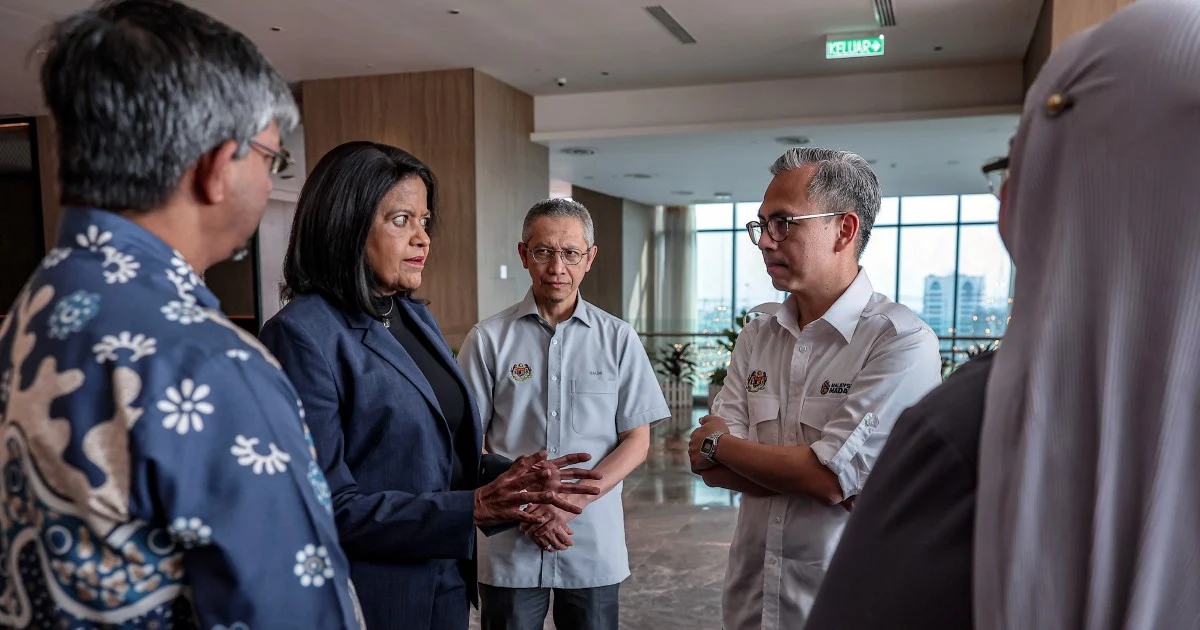
The forthcoming state elections in Johor and Negri Sembilan will serve as a critical testing ground for the Malaysian Media Council's latest initiative against election-related misinformation. The council views these concurrent campaigns as an opportunity to implement and evaluate a newly developed system designed to identify and counter fabricated news content before it can undermine public confidence in the information ecosystem during politically sensitive periods.
Information integrity has emerged as a significant challenge during Malaysian electoral processes. The proliferation of false claims, misleading statistics, and manipulated content—often amplified through social media platforms—has raised concerns among election administrators, media practitioners, and civil society organisations about the quality of information available to voters. The Malaysian Media Council's intervention represents an acknowledgement that traditional regulatory approaches may be insufficient to address the velocity and reach of false narratives in the digital age.
The proposed mechanism builds on principles of collaborative fact-checking and rapid response protocols. Rather than relying solely on official bodies to police campaign discourse, the initiative appears designed to involve media professionals, independent fact-checkers, and potentially civil society partners in a coordinated effort to identify suspect claims and provide evidence-based corrections. This distributed approach reflects international best practices observed in elections across Southeast Asia and beyond, where multi-stakeholder coalitions have demonstrated greater effectiveness in containing misinformation than single-agency efforts.
Election campaigns amplify existing vulnerabilities in the information environment. During periods of intense political competition, the incentives for spreading unverified claims intensify, particularly among partisan actors seeking to discredit opponents or mobilise voters through emotional appeals rather than substantive policy debate. Johor and Negri Sembilan, as established political battlegrounds where outcomes remain contested, will likely experience the kind of aggressive communication tactics that test the boundaries of responsible information sharing.
The timing of this initiative reflects mounting international pressure on Malaysia to address election-related information challenges. Regional peers including Indonesia, the Philippines, and Thailand have all grappled with significant misinformation problems during recent electoral contests, prompting both public sector and private sector interventions. Malaysia's approach through its media council suggests a deliberate choice to position the country as addressing this issue through industry self-regulation and voluntary participation rather than through legal mandates alone.
For the Malaysian Media Council, these elections represent a low-stakes environment in which to stress-test its mechanisms before potentially scaling them to federal-level contests or other high-visibility political events. The outcomes—both in terms of successfully identifying false claims and in demonstrating public acceptance of the council's role as an arbiter of information accuracy—will shape how the organisation positions itself in future election cycles and may influence whether similar initiatives gain traction among media organisations, political parties, or other stakeholders.
Voter behaviour presents a complicating variable in any fact-checking initiative. Research across multiple democracies demonstrates that simply identifying false claims does not automatically change voter beliefs or decisions. Some voters actively resist corrections that contradict their prior convictions, while others never encounter fact-checking information through their preferred news sources. The Malaysian Media Council will need to design its messaging and distribution strategies with sophisticated understanding of how different population segments engage with electoral information.
Political party cooperation remains essential yet uncertain. For fact-checking to maintain credibility, all major contestants must accept the council's authority and refrain from dismissing inconvenient corrections as biased. Some parties may view aggressive fact-checking as threatening to their campaign strategies, particularly if their messaging relies on unsubstantiated claims. The council's success in securing voluntary compliance from all significant political actors will significantly influence the initiative's effectiveness.
The technological dimensions warrant attention as well. Misinformation spreads rapidly across encrypted messaging platforms, social media groups, and peer-to-peer communication channels that traditional media monitoring cannot easily access. The Malaysian Media Council's mechanism must somehow address this distributed information landscape, potentially through partnerships with platform companies, civil society monitors, or crowdsourced reporting systems that allow citizens to flag suspect content for verification.
Regional observers will monitor how Malaysia's approach compares with parallel initiatives in other Southeast Asian democracies. Singapore, despite its more restrictive regulatory environment, has emphasised official fact-checking agencies, while Indonesia has promoted multi-stakeholder coalitions involving media, universities, and civil society. Malaysia's experience testing collaborative mechanisms during these state elections could generate insights valuable to policymakers across the region wrestling with similar challenges.
The broader implication extends beyond these two state contests. If the Malaysian Media Council's initiative demonstrates both practical effectiveness and political acceptability, it could establish a template for managing information integrity during future electoral contests at all levels. Conversely, if the mechanism proves cumbersome, faces significant political resistance, or fails to influence voter perceptions of competing claims, Malaysian authorities may need to reconsider whether industry-led approaches adequately address public information needs during elections.

