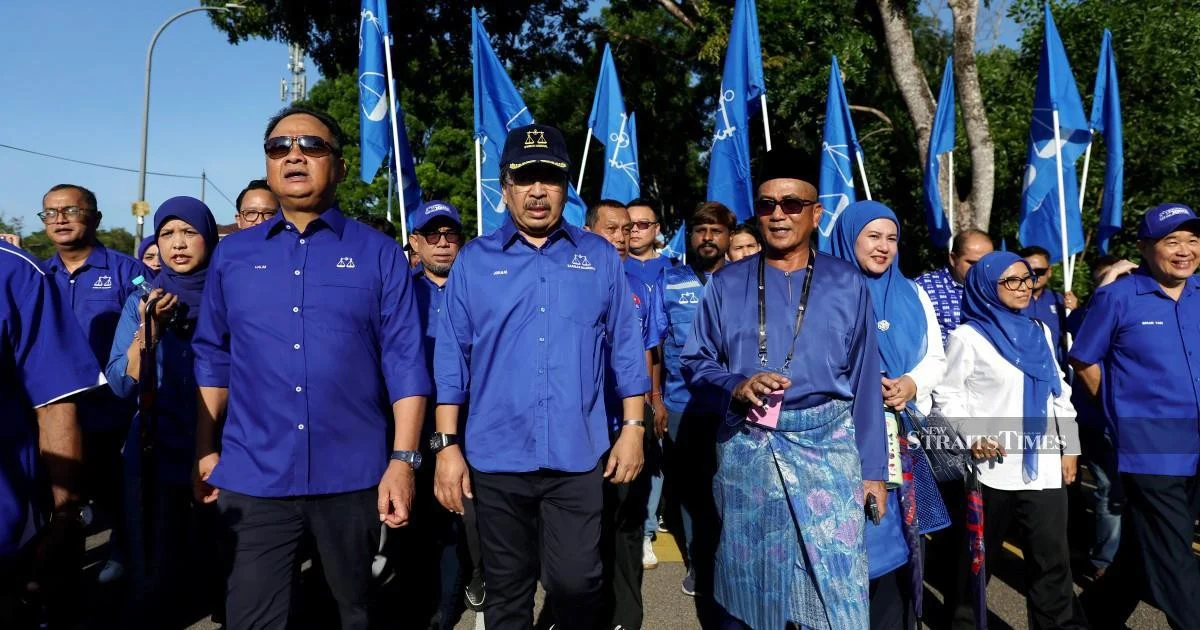
Umno vice-president Datuk Seri Johari Abdul Ghani has made a high-profile appearance in the Tiram constituency, arriving at Taman Pelangi Indah community hall to demonstrate his backing for the Barisan Nasional candidate contesting the seat. The visit underscores the coalition's determination to consolidate its position in Johor as the state gears up for what promises to be a closely watched electoral contest.
The presence of a senior party figure such as Johari carries considerable symbolic weight in Malaysian electoral campaigns. As Umno's second-ranking position holder, his participation signals that party leadership is actively engaged in safeguarding traditional strongholds and narrowing the gap in constituencies where the outcome may be uncertain. His deployment to Tiram suggests the seat holds strategic importance within Barisan's broader electoral calculus for the state.
Johor has historically been a critical battleground for Malaysian politics. The state's 56 seats represent a substantial portion of parliamentary representation, and control of the state government carries implications far beyond Johor's borders. A strong showing strengthens any coalition's hand in federal politics, making state-level contests essential to national power dynamics. The Tiram seat, situated within the broader Johor Baru conurbation, likely reflects the coalition's concerns about urban voter sentiment and the need to maintain majorities in populated areas.
Johari's campaign appearance reflects Barisan Nasional's multi-layered approach to retaining support. Rather than relying solely on party machinery at the local level, the coalition deploys senior leaders to communities to reinforce messaging and demonstrate party commitment. The choice of Taman Pelangi Indah, a residential community hall, indicates grassroots engagement rather than a large-scale rally format. This targeted approach often proves effective in persuading swing voters and reinforcing party loyalty among existing supporters who may feel less energised than in previous election cycles.
The Umno vice-president's intervention comes amid broader efforts by Barisan to revitalise its political narrative following electoral setbacks in recent years. The coalition faces competition from both Pakatan Harapan and Perikatan Nasional across Malaysian constituencies. In Johor specifically, these competing coalitions have mounted serious challenges in various seats, necessitating intensive campaigning by experienced party figures to maintain Barisan's dominance.
Geographic considerations play into such campaign strategies. Johor Baru, as the state capital and an urban centre, presents distinct electoral dynamics compared to rural constituencies. Urban voters often demonstrate greater volatility in electoral preferences and may be more responsive to specific policy messages or anti-incumbent sentiment. Johari's presence in such an area signals recognition that retaining urban support requires sustained attention from party leadership, not merely local campaigners.
The timing of senior-level campaign activity typically reflects party assessments of electoral vulnerability. If Barisan considered Tiram safely secured, deployment of a vice-president would be unnecessary. The very fact that Johari ventured to the constituency suggests internal analysis has identified the seat as either competitive or in need of bolstered morale. This kind of resource allocation reveals something about how parties prioritise their efforts across multiple contested constituencies.
Barisan Nasional's coalition partners also factor into campaign dynamics. The inclusion of MCA, MIC, and various East Malaysian parties alongside Umno means that seat allocations and campaign support involve negotiation across the broader coalition. Johari's appearance may represent Umno's commitment to securing particular seats, demonstrating to coalition partners that the dominant party is investing seriously in the election outcome. This internal coalition management remains crucial to Barisan's electoral viability.
The broader context includes post-pandemic political realignment across Malaysia. Voter expectations regarding economic management, service delivery, and political stability have shifted substantially. State governments bear direct responsibility for numerous development initiatives and administrative matters affecting daily life, making state elections increasingly important to voters evaluating government performance. Johor's economic significance—as a manufacturing and trading hub—means that state-level governance decisions carry tangible consequences for livelihoods.
Campaign visits by senior figures also serve a media function, generating news coverage that extends reach beyond the immediate constituency. Such appearances, when reported, help set the campaign narrative and remind voters of party positioning. For Barisan Nasional, emphasising unity through coordinated senior-level campaigning reinforces the message of an established, organised force with deep institutional experience.
The Tiram campaign activity reflects the intense competition characterising Malaysian electoral politics since 2018. No seat can genuinely be considered entirely safe, and even constituencies with long histories of supporting particular parties require investment to maintain electoral margins. Johari's presence indicates that Barisan recognises modern Malaysian elections demand comprehensive ground engagement, strategic deployment of senior figures, and consistent messaging across diverse constituencies.
Looking forward, such campaign activities will intensify as polling day approaches. The accumulation of these individual constituency-level efforts determines overall electoral outcomes. For Malaysian voters in Johor, particularly those in constituencies like Tiram, the weeks ahead will see increasing competition for their support as parties deploy their resources and deliver their competing visions for the state's future.

