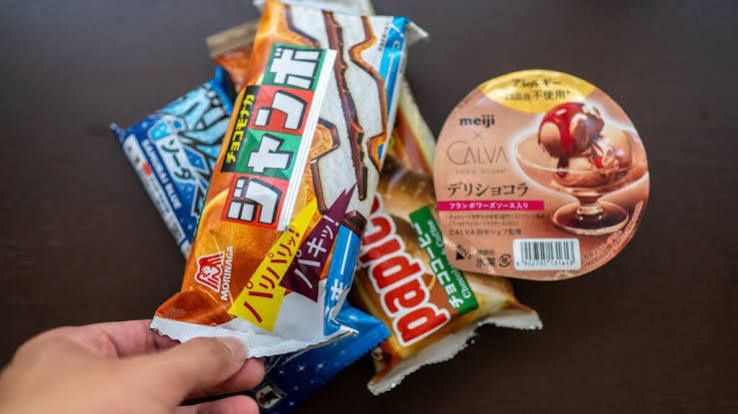
Japanese antitrust authorities have escalated enforcement action against the nation's ice cream industry, conducting simultaneous raids on six of the country's largest frozen confectionery makers on suspicion of operating a price-fixing cartel. The Japan Fair Trade Commission's coordinated searches targeted the head offices of industry heavyweights Meiji Co., Morinaga Milk Industry Co., Lotte Co., Ezaki Glico Co., Morinaga & Co., and Akagi Nyugyo Co., signalling a significant regulatory crackdown as the summer season approaches—traditionally the most lucrative period for ice cream sales.
The investigation centres on allegations that company executives systematically coordinated retail price increases through email communications and in-person meetings spanning several years. Sources familiar with the matter indicate that officials from these competing firms allegedly synchronised both the timing and magnitude of price hikes, a pattern that would constitute clear violation of Japan's antitrust laws if substantiated. The coordinated nature of the suspected conduct is particularly noteworthy, as it suggests deliberate collusion rather than independent business decisions responding to market conditions.
Observers have noted that since approximately 2022, these six ice cream manufacturers have implemented price increases with suspicious regularity and synchronisation. Year after year, the companies raised retail prices at roughly the same intervals, a pattern that raised red flags for competition authorities and consumer watchdogs. The uniformity of timing across competing firms—rather than staggered increases that might reflect different cost structures or supply chain dynamics—provided compelling circumstantial evidence that warranted formal investigation and enforcement action.
The JFTC's inquiry extends beyond simply establishing whether price coordination occurred. Investigators are specifically examining whether the companies exploited inflationary pressures to justify price increases that far exceeded the actual rise in raw material costs. This analytical approach distinguishes between legitimate price adjustments reflecting genuine cost pressures and opportunistic margin expansion disguised as necessary responses to inflation. The distinction carries significant legal weight in competition enforcement, as it helps establish intent and the anticompetitive effect of the alleged conduct.
All six companies have formally acknowledged the regulatory searches and committed to cooperating with the investigation. Most issued statements on Tuesday or Wednesday confirming that JFTC officials had inspected their facilities, with company representatives pledging full transparency and assistance to investigators. Natsuyo Suzuki of Akagi Nyugyo personally confirmed the firm's cooperation following what the company characterised as an "on-site inspection," lending credibility to the broader industry acknowledgement of the regulatory action.
For Malaysian and Southeast Asian readers, this enforcement action carries instructive implications about competition law effectiveness in developed Asian economies. Japan's JFTC has demonstrated willingness to investigate and pursue cartel cases even against large, established companies with significant market power. The regulatory focus on price coordination—particularly examining communications and meeting records—reflects a sophisticated approach to detecting collusion that operates beneath the surface of publicly observable market behaviour. This stands in contrast to some regional enforcement regimes where cartel detection remains less developed.
The ice cream sector's particular vulnerability to cartel behaviour reflects the industry's structural characteristics: a relatively concentrated market dominated by a handful of major players, significant seasonal demand fluctuations, and products with high visibility and consumer awareness. When prices for everyday consumer goods rise in synchronised fashion, the impact on household budgets and inflation perceptions is substantial, making price-fixing in this sector especially damaging to public interests. The timing of the investigation during the pre-summer period demonstrates regulatory awareness of seasonal dynamics and the heightened anticompetitive risk during peak demand periods.
Japan's ice cream market reached remarkable proportions during the fiscal year ending in March, generating record sales exceeding 660 billion yen as the country experienced its hottest summer since temperature records began in 1989. This exceptional market performance underscores the commercial significance of the industry and the substantial sums at stake for consumers and businesses alike. The scale of the market creates proportionally larger welfare losses from cartel activity, strengthening the regulatory case for aggressive enforcement.
If the JFTC concludes that cartel conduct occurred, the consequences for the implicated firms will be substantial. Japanese antitrust law empowers the watchdog to issue binding orders requiring companies to modify their business practices and implement structural or behavioural remedies. Beyond these corrective mandates, the JFTC possesses authority to impose significant financial penalties reflecting both the duration and scope of alleged collusion. Such penalties are calculated to deter future violations and ensure that cartel participation proves economically irrational from the perpetrators' perspective.
The investigation also carries broader implications for corporate governance and compliance cultures within Japan's food and beverage sector. Companies will face heightened scrutiny regarding internal communication protocols, meeting documentation, and pricing decision processes. The regulatory action sends a powerful signal that even informal coordination—conversations between officials that might previously have attracted limited enforcement attention—now constitutes actionable conduct warranting investigation and potential punishment. This shift will likely prompt major corporations to implement enhanced compliance programmes and communication safeguards.
For consumers, the investigation represents vindication of growing public concern about price synchronisation in essential food categories. Public awareness of potential cartel behaviour in ice cream and other ice-based confectionery has mounted as households experienced cumulative price increases, and regulatory action demonstrates that competition authorities take such concerns seriously. Whether enforcement ultimately proves successful in establishing violations and deterring future coordination, the investigation itself signals that no industry is beyond regulatory scrutiny regardless of market power or corporate prominence.
The coming weeks and months will determine whether the JFTC develops sufficient evidence to conclude that cartel conduct occurred and proceed with formal enforcement actions, or whether the investigation yields insufficient proof of intentional coordination. Regardless of outcomes, the regulatory initiative reflects a mature competition enforcement environment responsive to market realities and consumer welfare concerns. For regional observers monitoring competition law development across Asia, Japan's proactive stance offers important benchmarks for cartel detection, investigation methodology, and enforcement priorities in concentrated consumer industries.

