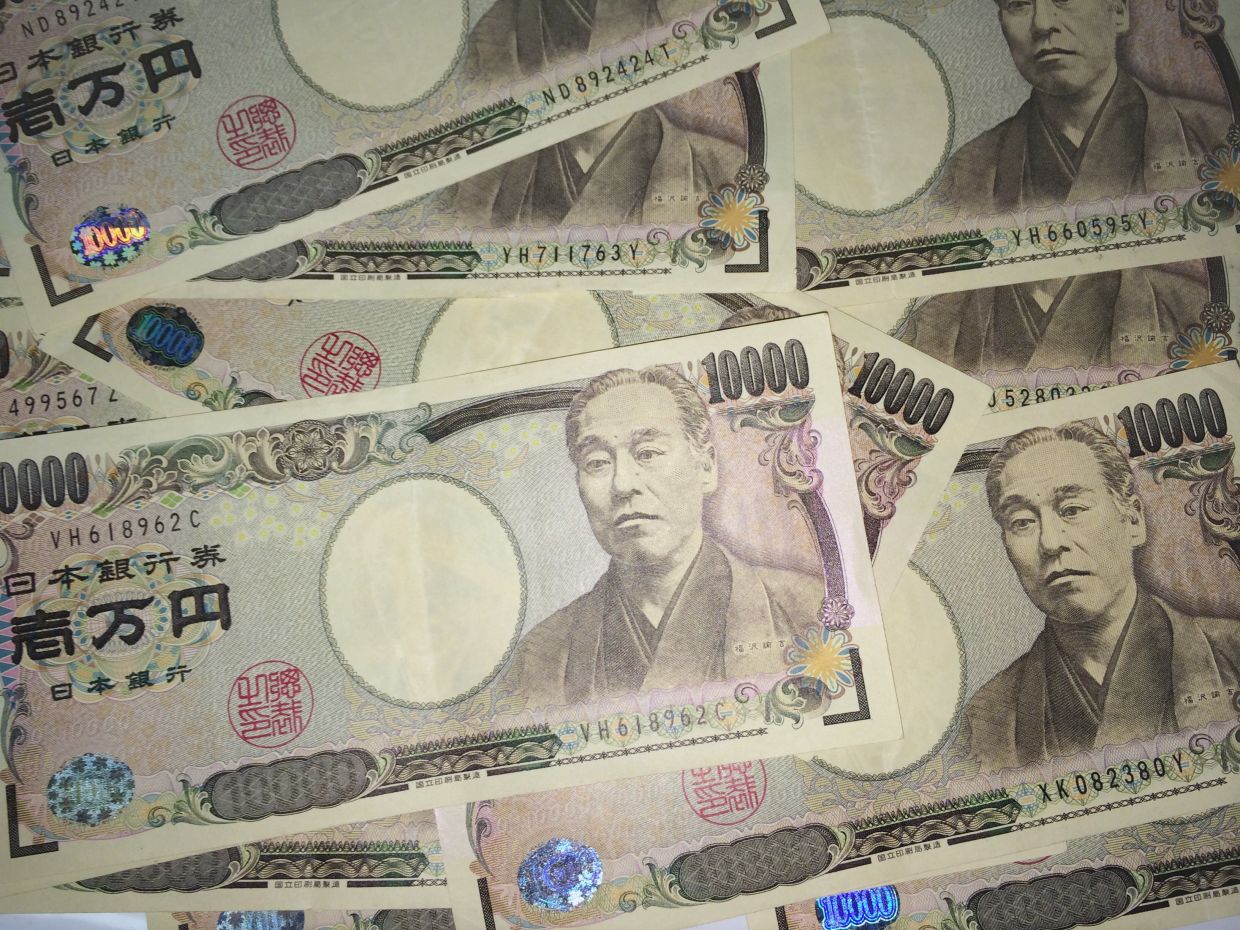
The Japanese yen has descended to levels not seen in nearly four decades, unmoved by policy measures that typically would arrest such persistent weakness. On Friday, the currency hovered at 161.205 yen per U.S. dollar, a marginal recovery from a two-year low touched the previous day, yet this rebound offered little comfort to policymakers watching from Tokyo. The backdrop of thin liquidity due to U.S. and Asian holidays has magnified the currency's fragility, while markets brace for potential intervention after what analysts describe as disappointing official measures thus far.
What makes the yen's continued depreciation particularly striking is the absence of traditional relief following standard policy responses. The Bank of Japan hiked its benchmark interest rate to a 31-year peak just last week, a decisive tightening move aimed at supporting the currency. Earlier in the year, the Ministry of Finance deployed direct dollar-selling intervention, a more aggressive tool deployed sparingly and typically reserved for moments of acute market stress. Yet the yen has proven largely indifferent to these conventional defences, suggesting that deeper structural concerns about Japan's economic outlook are at work.
Analysts at investment firms monitoring currency flows have begun mapping the contours of future intervention capacity. Tony Sycamore, a market analyst at IG in Sydney, estimates that Japan's Ministry of Finance will likely position its defence at the 161.95 yen-per-dollar threshold, deploying ammunition comparable to the roughly 11.7 trillion yen mobilized during April and May interventions. However, such deployment would exhaust roughly 11 to 12 percent of Japan's total reserves across a compressed timeframe, an unsustainable pace that would force officials to become far more selective and deliberate with subsequent actions to preserve credibility and maintain dry powder for genuine crises.
The deterioration in investor confidence surrounding the yen extends beyond currency mechanics into the political realm. Prime Minister Sanae Takaichi's spending plans have triggered fresh unease among international portfolio managers and currency traders, who worry that fiscal expansion could compound inflationary pressures and undermine the central bank's tightening cycle. This political dimension adds a layer of unpredictability absent from purely technical currency analyses, creating an environment where policy announcements generate scepticism rather than conviction.
Japan's inflation picture remains disappointingly subdued despite global energy shocks emanating from Middle East tensions. Core consumer price inflation stayed below the Bank of Japan's 2 percent target for the fourth consecutive month in May, held down by government fuel subsidies that have insulated households from the commodity spike that typically would flow through to retail prices. This disconnect between raw material costs and consumer inflation creates a dangerous illusion of price stability that masks underlying pressures building beneath the surface.
Capital Economics researchers project that the government's fuel price caps, while effective in the near term, will eventually give way to pass-through effects hitting utility bills and broader goods-and-services pricing. Their analysis suggests inflation could accelerate toward 3.5 percent by early 2027, a level that would dwarf the Bank of Japan's current target and potentially force far more aggressive monetary policy tightening than currently priced into markets. Such a scenario would vindicate the concerns raised by some Bank of Japan board members during April deliberations, who advocated for faster rate increases if Middle East instability persists.
Bank of Japan Deputy Governor Ryozo Himino reiterated on Friday that the central bank remains committed to interest rate increases while carefully watching for risks that underlying inflation overshoots its target. This language, though measured, betrays anxiety within the monetary authority about the lag between policy signals and market response. The messaging suggests frustration that rate hikes announced to support the currency have proven insufficient, implying that future tightening may occur more quickly or aggressively than current market pricing reflects.
Beyond Japan, the broader currency landscape remained largely becalmed following the signing of a U.S.-Iran peace deal earlier in the week that restored normal shipping conditions through the Strait of Hormuz. The U.S. dollar index, measuring the greenback's strength across a basket of six major currencies, held at 100.81, having climbed a fresh one-year high on Thursday. This resilience of the dollar continues to weigh on the yen indirectly, as capital gravitates toward American assets perceived as offering superior yield and geopolitical safety.
Elsewhere, the British pound remained flat at $1.3205 following the Bank of England's decision to hold interest rates steady at 3.75 percent on Thursday. Officials there judged that premature rate increases would be counterproductive given persistent uncertainty surrounding the robustness of inflation pressures. This cautious posture across major central banks contrasts sharply with the Bank of Japan's tightening trajectory, a divergence that continues to widen the yen's disadvantage in international currency comparisons.
The Australian dollar slipped 0.1 percent to $0.7011, while the New Zealand dollar remained steady at $0.5756. These modest moves reflect the subdued risk appetite characterizing trading during the holiday-thinned week. Cryptocurrency markets similarly showed minimal conviction, with Bitcoin declining 0.2 percent to $62,868.18 and ether holding unchanged at $1,708.98, suggesting that even alternative assets lack clear directional momentum.
For Malaysian investors and regional participants, the yen's weakness carries several implications worth monitoring closely. Japanese exporters may find temporary relief in improved price competitiveness, but the underlying currency instability creates hedging challenges for Malaysian companies with significant Japanese supply chains or customer bases. The potential for further intervention and faster Bank of Japan tightening could trigger repricing across Asian fixed-income markets, as Japanese institutional investors reassess their portfolio allocations and potentially repatriate capital.
The episode also underscores the limits of conventional monetary policy in addressing currency weakness driven by deep-seated confidence deficits and political uncertainty. If the yen remains resilient despite intervention and rate hikes, it suggests that Japanese authorities may face pressure to adopt more unconventional measures or coordinate more explicitly with G7 partners. Such developments would reverberate through regional markets and could prompt recalibration of hedging strategies across Southeast Asia.

