Japan's mountain regions have become increasingly treacherous, with Japanese authorities documenting the highest number of stranded individuals ever recorded. According to data released by the National Police Agency on Thursday, 3,623 people found themselves in distress on mountains throughout 2025, surpassing the previous annual tally by 266 cases. This represents the most significant spike since the government began systematically tracking such incidents in 1961, underscoring an emerging challenge for one of Asia's most developed nations.
The tragic human toll accompanying these incidents has intensified alongside the climbing rescue figures. Among those stranded, 332 individuals died or vanished without trace—a figure 32 higher than the preceding year—while approximately 1,480 sustained injuries requiring medical intervention, representing a surge of 90 cases. These statistics paint a sobering picture of Japan's mountain safety landscape, raising critical questions about preparedness, oversight, and the adequacy of existing warning systems across the nation's rugged terrain.
Demographic patterns reveal that older Japanese hikers comprise a significant portion of those requiring mountain rescue operations. Nearly half of all stranded individuals—47.6 percent—were aged 60 or above, a population segment that has grown increasingly active in outdoor recreation during recent decades. The propensity for getting lost accounts for roughly 31 percent of incidents, suggesting that waymark visibility, navigation difficulties, and route confusion remain persistent challenges even on well-established trails. These patterns suggest that age-related factors combined with navigational difficulties create a particularly vulnerable cohort requiring targeted intervention strategies.
Foreign visitors constitute an expanding component of Japan's mountain emergency caseload, marking a significant shift in rescue demographics. The 246 international climbers and trekkers who encountered stranding incidents in 2025 represent an all-time high, climbing 111 cases from the previous year. This surge reflects the explosive growth in adventure tourism to Japan, as visitors increasingly venture beyond conventional sightseeing to experience the nation's celebrated alpine landscapes. The corresponding incident count among foreigners reached 174—up 75 from the prior year—since comprehensive tracking began in 2018, indicating an accelerating trend that demands urgent attention.
The composition of foreign rescue cases reveals a striking concentration among backcountry enthusiasts engaged in specialized activities. Eighty percent of stranded international visitors—totalling 203 individuals—were participants in either backcountry skiing or mountaineering expeditions. This concentration underscores that foreign visitors attempting advanced alpine pursuits, often without adequate acclimatization or local knowledge, face disproportionate risk. The combination of challenging terrain, unpredictable weather conditions endemic to Japanese mountains, and potential language barriers during emergencies creates a high-risk scenario that tourism authorities and safety organizations across Southeast Asia should monitor closely given the region's own growing mountaineering communities.
Geographic disparities in rescue incidents illuminate regional vulnerabilities within Japan's mountain landscape. Nagano Prefecture in central Japan leads all regions with 358 documented cases, followed substantially by Hokkaido with 199 incidents and Yamanashi with 192 cases. Nagano's prominence reflects its concentration of popular climbing destinations and ski resorts, combined with complex alpine geography that challenges even experienced mountaineers. These prefecture-level variations suggest that localized factors—terrain complexity, seasonal weather patterns, trail infrastructure quality, and rescue resource availability—significantly influence incident distribution across the nation.
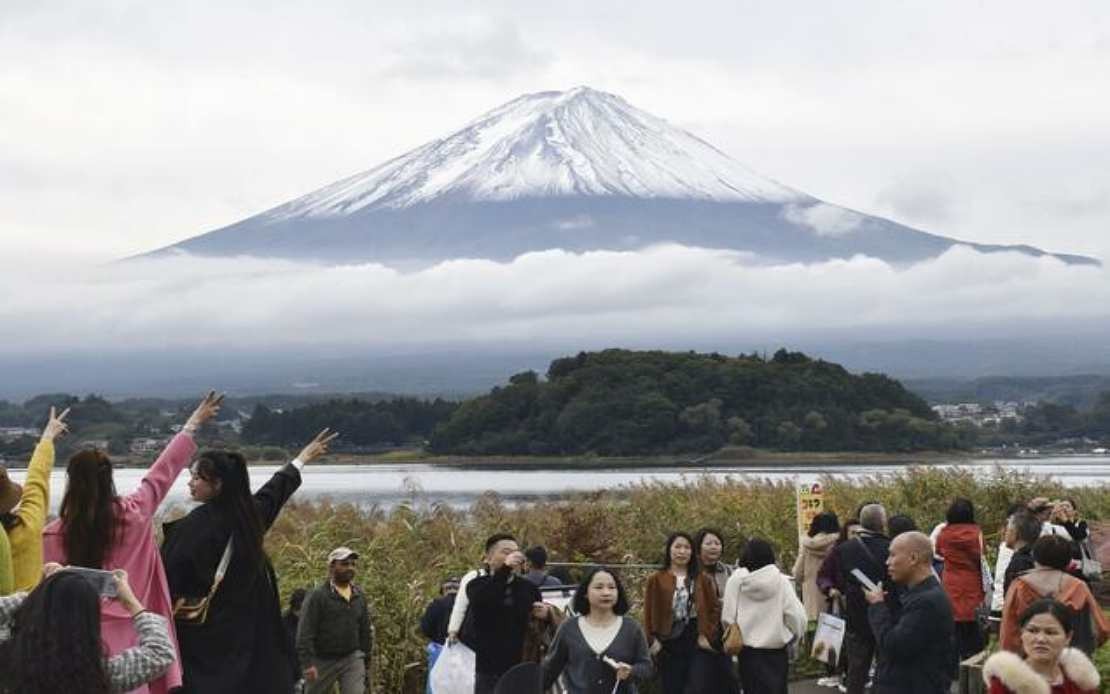
Mt Fuji presents an intriguing counterpoint to national trends, with rescue figures actually declining from five-year historical averages. This anomaly likely reflects either improved safety measures at Japan's most iconic peak, enhanced ranger presence during climbing seasons, or possibly altered visitor patterns following heightened awareness of mountain hazards. The disparity between Mt Fuji's improving safety record and escalating incidents elsewhere suggests that concentrated interventions at specific high-traffic locations can yield measurable improvements, offering potential models for addressing hazards across other Japanese mountains.
For Malaysian and Southeast Asian travelers planning mountain expeditions in Japan, these statistics carry significant implications. The surge in foreign rescue cases indicates that international visitors frequently underestimate Japanese mountain hazards or lack necessary preparation for alpine conditions. Southeast Asian adventure tourism operators and individual travelers should recognize that Japan's mountains—while accessible and heavily developed compared to regional alternatives—demand serious preparation, realistic fitness assessment, and awareness of rapidly changing weather conditions. The language barrier identified as a compounding risk factor should prompt international visitors to carry translation aids and establish emergency contact protocols before embarking on climbs.
The concentration of incidents among older demographics and those becoming lost on established routes suggests systemic issues beyond individual preparedness. Trail marking standards, signage clarity, and waypoint visibility apparently require enhancement across many Japanese mountains. Search and rescue capabilities, while sophisticated, appear to be straining under increased demand. Regional governments and mountain management authorities face mounting pressure to expand preventative measures, invest in infrastructure improvements, and deploy technology solutions such as emergency beacon systems or digital wayfinding applications.
The record stranding figures also illuminate broader trends affecting mountain safety throughout East Asia. As economic development and improved transportation infrastructure make alpine areas increasingly accessible to recreational users, nations across the region face similar pressures on search and rescue resources. Japan's detailed statistical tracking provides valuable comparative data that Malaysian and other Southeast Asian authorities can reference when developing their own mountain safety frameworks and emergency response capabilities.
Looking forward, Japanese policy makers confront the challenge of balancing mountain accessibility with safety imperatives. Enhanced training requirements for guides, mandatory safety equipment standards, improved communication systems in remote areas, and public awareness campaigns about realistic fitness and skill requirements all merit serious consideration. The involvement of foreign visitors necessitates international coordination on safety standards and information sharing protocols that could benefit adventure tourism throughout Southeast Asia as well. These incidents underscore that even in highly developed mountainous regions with sophisticated emergency services, unrelenting vigilance and continuous improvement remain essential to protecting both residents and international visitors venturing into challenging alpine environments.

