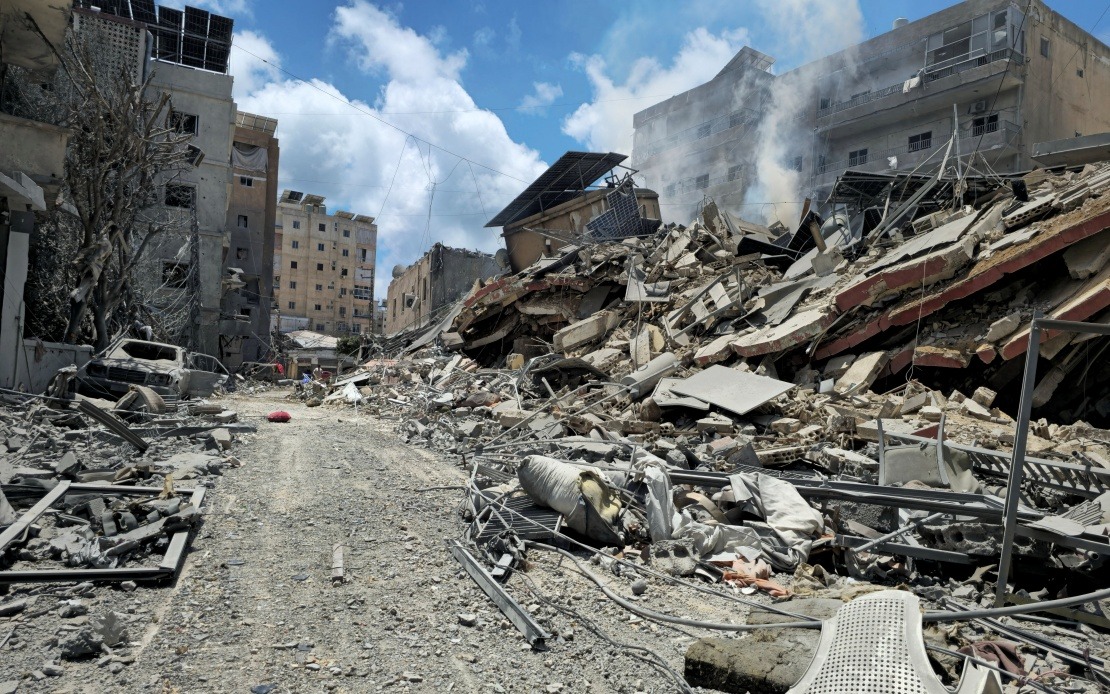
Japan has stepped forward with a substantial humanitarian commitment to West Asia, announcing US$15 million in emergency grant assistance aimed at addressing acute humanitarian crises across the region. Foreign Minister Toshimitsu Motegi revealed the decision at a news conference in Tokyo, signalling Tokyo's renewed engagement with one of the world's most volatile and strategically important areas. The aid package underscores Japan's longstanding concern over regional stability and its willingness to support vulnerable populations affected by conflict and displacement.
The financial commitment breaks down into three targeted allocations reflecting the severity of humanitarian conditions on the ground. Approximately US$10 million will flow to Iran, making it the primary beneficiary of Japan's assistance and reflecting the scale of suffering within the country. Lebanon will receive around US$4 million, acknowledging the country's own economic collapse and ongoing instability, while Palestinians in the West Bank are designated to receive US$1 million to support immediate survival needs. These proportions suggest Japan's assessment that Iran faces the most acute humanitarian emergency among the three, though each region grapples with distinct crises requiring urgent international support.
The aid will be channelled through established international organisations rather than direct government-to-government transfers, a common practice designed to ensure efficient distribution and reduce the risk of diversion. This mechanism allows Japan to work within established humanitarian frameworks while maintaining oversight of how funds are utilised on the ground. International organisations operating in these regions possess the logistical networks, local knowledge, and staff capacity to reach vulnerable populations in areas where traditional diplomatic channels may face complications.
The assistance is earmarked specifically for humanitarian necessities that address immediate survival needs. Food security represents a critical component, as millions across Iran, Lebanon, and the West Bank face shortages and malnutrition. Medical supplies feature prominently in the package, reflecting the collapse of healthcare infrastructure in conflict zones and sanctions-affected economies. Beyond these core items, the aid encompasses broader humanitarian support categories that provide relief organisations flexibility to respond to whatever needs prove most pressing in their respective operating environments.
Motegi's emphasis on the Middle East's importance to Japan reflects both economic and geopolitical realities that often escape notice in Malaysian discourse. Japan relies on the Middle East for a significant proportion of its energy imports, making regional stability a matter of direct national interest rather than purely altruistic concern. Moreover, any major conflict in West Asia disrupts global supply chains and energy markets, directly affecting prices and availability of goods throughout Southeast Asia, including Malaysia. Japan's proactive humanitarian engagement serves multiple objectives simultaneously—advancing genuine humanitarian values while protecting its own strategic interests.
The regional humanitarian challenges Japan references extend far beyond the immediate crises captured in headlines. Iran faces economic devastation from international sanctions, with the healthcare system struggling to obtain basic medicines and equipment. Lebanon's currency collapse has pushed millions into poverty, with hospitals rationing electricity and fuel while treating an influx of Syrian refugees. The West Bank endures perennial instability, periodic violence, and restrictions on movement that undermine economic activity and access to services. These conditions create cascading effects: poverty increases disease susceptibility, malnutrition weakens children's cognitive development, and desperation sometimes fuels recruitment into militant organisations.
Japan's pledge comes as several countries have reduced their humanitarian commitments globally, making Tokyo's announcement more significant than the headline figure might suggest. The decision reflects a Japanese government assessment that West Asian crises demand continued international attention and resources. This stance contrasts with some wealthy nations that have redirected aid budgets toward other regions or domestic priorities, suggesting Japan views humanitarian responsibility as inextricable from broader foreign policy objectives.
For Malaysian policymakers and observers, Japan's actions offer instructive lessons about balancing strategic interests with humanitarian commitment. As a major economy with significant regional influence, Malaysia faces similar pressures to engage meaningfully with Middle Eastern partners while maintaining standards of humanitarian principle. Japan's approach—channelling aid through international organisations while maintaining public commitment to peace and stability—provides a model that respects partner nations' sovereignty while advancing shared humanitarian values.
Motegi's commitment that Japan will continue working with relevant countries and international organisations signals long-term engagement rather than one-off gesture politics. This sustained approach matters enormously in regions characterised by chronic instability, where humanitarian crises do not resolve quickly and require consistent international attention. Japan's willingness to remain engaged despite the complexity and occasional thanklessness of Middle Eastern diplomacy demonstrates commitment to multilateralism and burden-sharing in addressing global humanitarian challenges.
The broader implication of Japan's announcement extends to questions about how wealthy Asian nations position themselves within international humanitarian frameworks. As China's influence in the Middle East grows, and as various regional powers pursue competing agendas, Japan's humanitarian emphasis offers an alternative model emphasising universal human dignity over zero-sum geopolitical competition. For Southeast Asia, including Malaysia, observing how Japan balances its Middle Eastern engagement—combining economic interests, security concerns, and humanitarian principles—provides relevant context for developing our own regional and global partnerships in an increasingly complex world.

