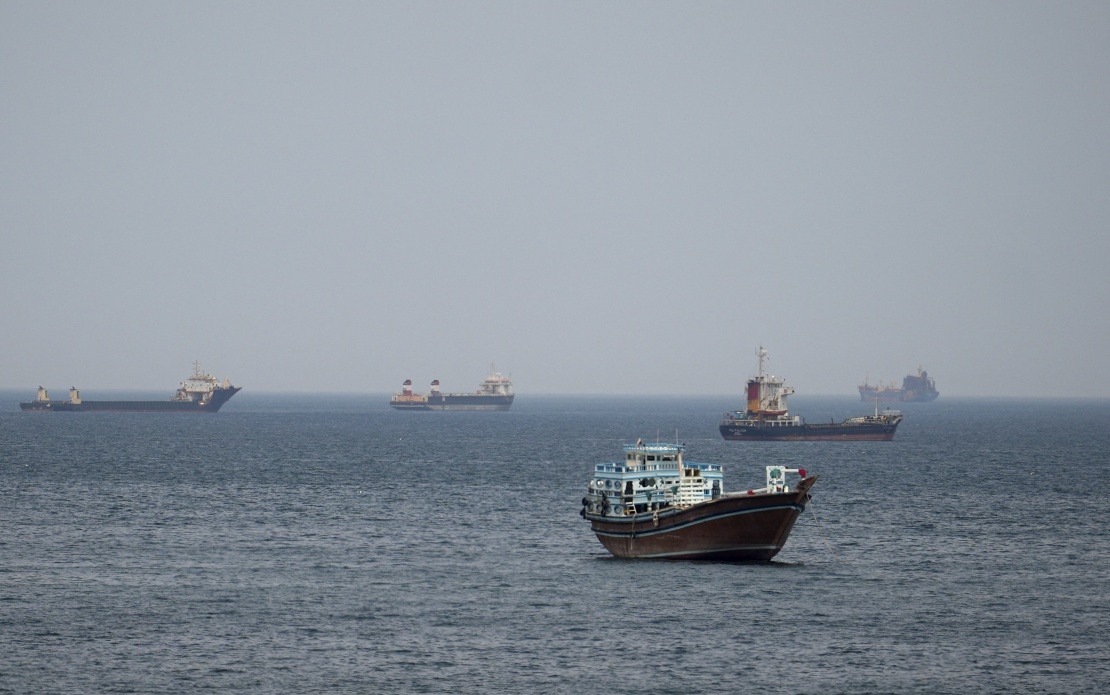
Iran's Parliament Speaker Mohammad Bagher Qalibaf arrived in Oman on Monday to lead high-level consultations with the sultanate on developing a new management framework for the Strait of Hormuz, one of the world's most critical shipping lanes. The visit, which included Iran's top diplomat Abbas Araghchi, underscores Tehran's efforts to build regional consensus around new arrangements for governing the strategic waterway that connects the Persian Gulf to the Gulf of Oman and the Arabian Sea beyond.
Qalibaf was received by Omani Foreign Minister Badr Albusaidi upon arrival, signalling the importance both nations place on these discussions. The Iranian delegation had travelled directly from Switzerland, where they had just completed intensive negotiations with United States representatives mediated by Pakistan and Qatar. That 18-hour round of talks focused on implementing the recently concluded memorandum of understanding between Tehran and Washington, suggesting that momentum from those discussions is now being channelled into broader regional consultations.
Oman's role as facilitator in these talks reflects its longstanding position as a neutral player in Middle Eastern geopolitics. The sultanate has historically maintained constructive relationships with Iran while preserving ties with Gulf Cooperation Council members and Western powers, making it an ideal venue for sensitive diplomatic discussions. For Malaysia and other Southeast Asian nations dependent on uninterrupted maritime trade, Omani mediation efforts hold particular significance given that disruptions to Strait of Hormuz shipping would reverberate across global commerce.
Official statements from both capitals emphasised a shared commitment to regional stability and peaceful resolution of outstanding issues. Tehran and Muscat highlighted the importance of leveraging the current diplomatic opening to strengthen de-escalation efforts, operating within the framework of international law and principles of good neighbourliness. This language suggests both sides are seeking to move beyond decades of confrontation toward a more constructive engagement model that respects sovereignty while acknowledging interdependence.
The focus on safe passage through the Strait of Hormuz carries immediate practical implications. Roughly one-third of globally traded seaborne oil transits this narrow waterway, making it essential infrastructure for the international economy. Tensions in recent years have periodically threatened shipping security, with incidents creating uncertainty for regional and global energy markets. Any arrangement that enhances predictability and reduces the risk of accidental escalation would benefit shippers, energy importers, and insurers worldwide.
Qalibaf's simultaneous focus on bilateral cooperation with Oman suggests Tehran is building a broader diplomatic architecture in the region. His expected meeting with Omani Sultan Haitham bin Tariq indicates discussions will extend beyond technical maritime management to encompass wider strategic partnership. This multi-layered engagement approach reflects Iran's broader effort to strengthen ties with neighbouring states as it navigates international sanctions and seeks to reposition itself within regional affairs.
The timing of these consultations is noteworthy given the broader trajectory of Iran-Western diplomacy. The recent memorandum with Washington, facilitated by intermediaries, represents a shift from the previous pattern of escalatory rhetoric and military posturing. By moving quickly to regional capitals with news of progress, Iranian negotiators appear intent on consolidating diplomatic gains and demonstrating to sceptical domestic constituencies and regional allies that engagement is yielding tangible results.
For Southeast Asian countries and Malaysia in particular, these developments warrant close attention. The shipping lanes connecting the Indian Ocean to the South China Sea depend fundamentally on stability in the Persian Gulf region. Malaysian vessels and cargo regularly transit the Strait of Hormuz, and Malaysian energy security is intertwined with stable Gulf supplies. Any framework that reduces uncertainty in this critical chokepoint benefits Kuala Lumpur's economic interests and regional positioning.
Oman's diplomatic facilitation also offers a model relevant to Southeast Asian contexts. The sultanate demonstrates how a smaller regional power can punch above its weight through strategic positioning, credibility as an honest broker, and cultivation of relationships across dividing lines. These are lessons not lost on other regional players seeking influence and stability in their respective spheres.
The consultation process now unfolding suggests that establishing new Hormuz management arrangements will be iterative rather than rapid. Multiple stakeholders—including Iran, Oman, other Gulf states, and major maritime powers—will need to reach accommodation on practical details ranging from vessel monitoring to dispute resolution mechanisms. The participation of established diplomatic intermediaries like Pakistan and Qatar indicates a structured approach to these negotiations.
Looking ahead, the success or failure of these efforts will significantly impact regional stability and global energy markets. If Iran and its neighbours can develop mutually acceptable frameworks for managing shared waterways, the benefits would extend far beyond the Persian Gulf. Regional confidence-building of this sort, even limited in scope, tends to create conditions for addressing other contentious issues gradually. Conversely, if negotiations stall, the underlying tensions that periodic crises have exposed would resurface.
For Malaysian policymakers and businesses, tracking these diplomatic developments is essential. Changes in how the Strait of Hormuz is managed, whether security arrangements are modified, or whether new multilateral mechanisms emerge for conflict prevention could all influence shipping costs, insurance premiums, and energy supply reliability. As a trading nation dependent on open and secure international waters, Malaysia has a fundamental interest in the success of these regional diplomatic initiatives.

