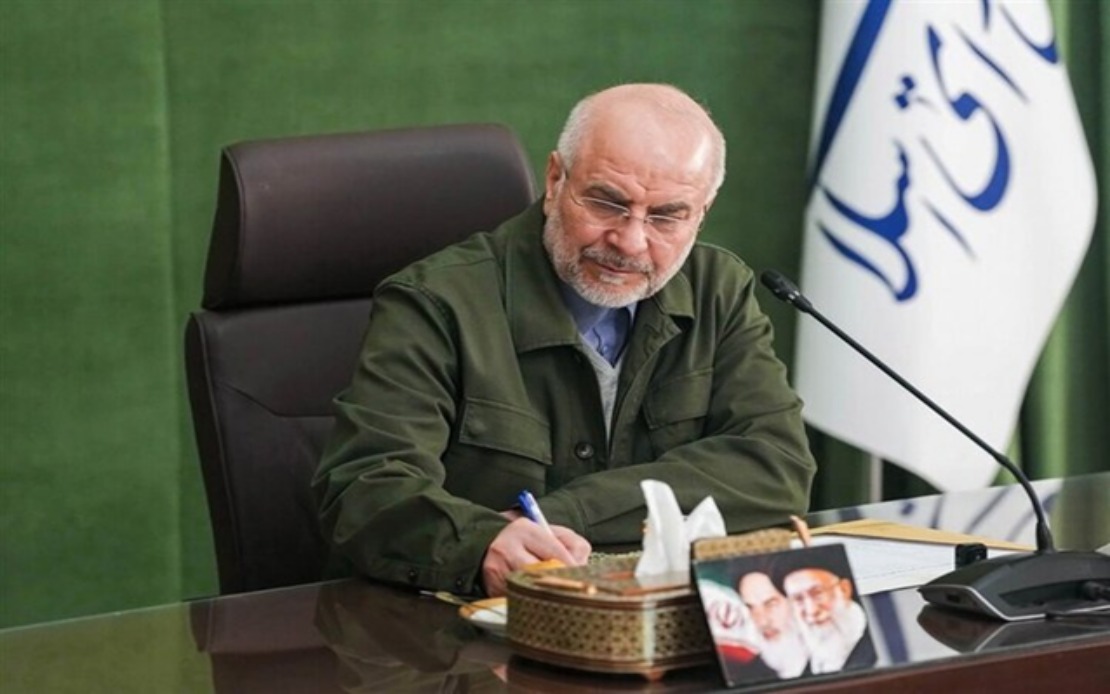
Tensions between Iran and the United States have surfaced once more, this time over the intended use of Iranian assets that would be released following sanctions relief. Iranian Parliament Speaker Mohammad Bagher Ghalibaf, a key figure in Tehran's negotiating team, publicly dismissed assertions from Washington that the unfrozen funds would necessarily flow toward purchases of American farm products, describing the claim as both false and illustrative of deeper historical grievances between the two nations.
Ghalibaf's sharp retort came via social media, where he characterised American presumptions about Iran's spending decisions as emblematic of a broader pattern. His statement suggested that rather than expecting Iran to comply with implicit conditions attached to asset releases, the United States should confront the reality that decades of mistrust have fundamentally damaged bilateral relations. The comment carried unmistakable political messaging, designed to signal to the Iranian public that the government would not be coerced into predetermined commercial arrangements through the sanctions relief mechanism.
The disagreement traces to recent statements from senior US officials outlining their expectations for the unfrozen capital. Vice President JD Vance had suggested on Monday that Iran would utilise the released funds to procure American agricultural commodities including soybeans, corn, and wheat. President Donald Trump escalated the assertion by claiming on Tuesday that the monies would be deposited into an escrow account under US supervision, with strict stipulations that the resources be deployed exclusively for purchasing American food and medical supplies.
Iran's response has been coordinated across multiple government institutions, indicating a unified stance on the matter. The Foreign Ministry's spokesperson, Esmaeil Baghaei, made clear that Iran views the unfrozen assets as resources to be deployed entirely in accordance with national interests, without external constraints or conditions. He emphasised that procurement decisions would rest on conventional commercial criteria—principally price competitiveness and quality metrics—rather than on any obligation to favour American suppliers irrespective of their standing in global markets.
Additionally, Abdolnaser Hemmati, who heads Iran's Central Bank, reiterated that Tehran bears no contractual or implicit duty to purchase US agricultural items. However, he left the door slightly ajar, acknowledging that Iranian entities would not categorically exclude American products if they offered favourable terms relative to competing international suppliers. This nuanced position suggests that while Iran objects to being prescriptively tied to American goods, market forces could naturally lead to some level of bilateral trade if conditions warrant.
The disagreement highlights a fundamental fracture in how the two sides envision the mechanics of sanctions relief. For the US administration, the unfrozen assets appear to represent both compensation for Iranian compliance and an opportunity to bolster American agricultural exports facing uncertain global demand. For Iran, the same funds constitute repatriated national wealth to which no external party should attach conditions or stipulations. This philosophical divergence threatens to complicate negotiations that are ostensibly moving forward under a recently established framework.
The broader negotiating context involves a memorandum of understanding signed on June 18 that opened a sixty-day window for substantive talks directed toward a comprehensive nuclear agreement and the removal of international sanctions. Both Tehran and Washington have demonstrated sufficient commitment to the process to convene representatives, with the most recent round of discussions occurring in Switzerland over the weekend. Yet the public wrangling over how Iran may spend its own money suggests that beneath the diplomatic surface, significant obstacles remain unresolved.
For Malaysia and other Southeast Asian nations monitoring these developments, the Iran-US dispute carries multiple implications. Regional economies depend on stability in global energy markets, and prolonged nuclear tension threatens to disrupt oil supplies and inflate prices. Moreover, the tone of current exchanges—marked by accusation and counter-accusation—raises questions about whether either side genuinely intends to negotiate in good faith or whether current talks represent merely tactical positioning. The reference by Iranian officials to historical grievances underscores that even technical discussions about sanctions relief intersect with deep-rooted political and psychological dimensions of the conflict.
The episode also reflects asymmetrical power dynamics that characterise modern sanctions regimes. When a developed economy imposes financial restrictions on another nation and then unilaterally declares how the released funds shall be deployed, the sanctioned party understandably experiences this as an infringement on sovereignty. Iran's refusal to accept such terms, whatever its own governance challenges, resonates with developing nations globally that have increasingly questioned whether sanctions architectures reflect genuine international consensus or merely the preferences of dominant powers.
Looking ahead, the sixty-day negotiating window provides limited time to bridge positions that appear to be hardening rather than softening. If the US administration insists on conditions regarding the use of unfrozen assets, and Iran refuses to accept external dictates over its financial resources, the current impasse could expand and derail the broader nuclear discussions. Conversely, if either side pivots toward accepting the other's framing—the US relinquishing claims to direct the funds' deployment, or Iran volunteering to prioritise American purchases—such a shift would require substantial political movement and would likely provoke domestic controversy in both capitals.

